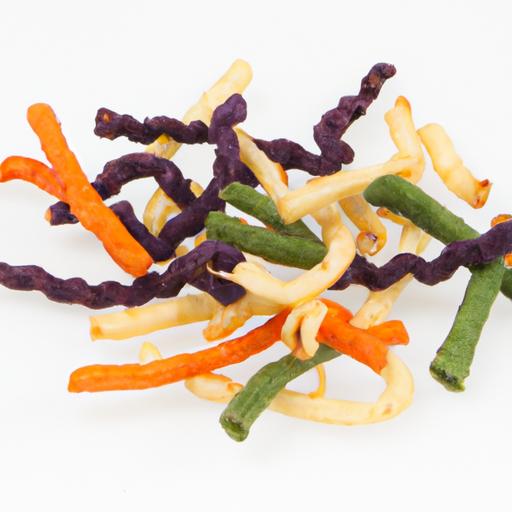

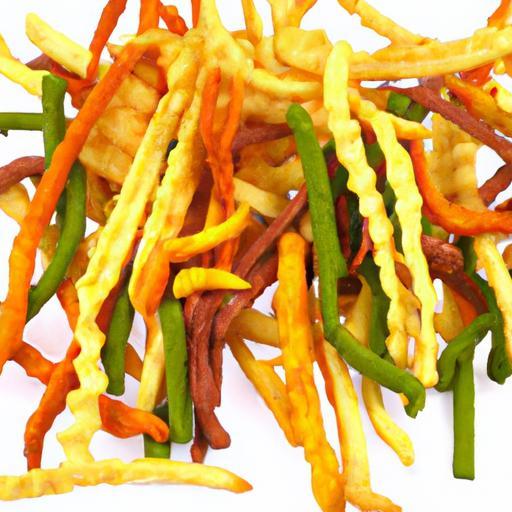
In a world where cravings often clash with nutrition, veggie straws have emerged as a deliciously crunchy compromise that’s redefining healthy snacking. These vibrant, airy sticks not only deliver a satisfying crunch but also promise a guilt-free indulgence packed with vegetable goodness. From the savvy shopper seeking better-for-you alternatives to the curious foodie eager to explore new textures and flavors, veggie straws are unveiling a fresh twist on what it means to snack smart. Join us as we peel back the layers behind this colorful snack, uncovering the science, secrets, and stories that make veggie straws a standout choice in today’s snack aisle.
The Nutritional Breakdown Behind Veggie Straws
Veggie Straws offer a distinctively crunchy and flavorful snacking experience that combines the natural appeal of vegetables with the satisfying texture of a chip.Unlike many traditional snacks, their composition aims to bring a lighter, frequently enough lower-calorie option without sacrificing taste.But what exactly is inside these airy curls of goodness, and how do they align with your nutrition goals?
Typically crafted from a blend of dehydrated potato, spinach, and tomato powders, veggie straws contain a noticeable infusion of vegetable juice powders, offering trace amounts of vitamins like A and C. While they are not a substitute for fresh vegetables, they do bring a vegetable-inspired twist to your snack shelf.
| Nutrient | Per 1 oz (28g) |
|---|---|
| Calories | 140 kcal |
| Protein | 2g |
| Carbohydrates | 15g |
| Fat | 7g |
| Sodium | 170mg |
their fat content mainly derives from sunflower or other vegetable oils, contributing a light crisp finish without excessive heaviness. They tend to have moderate sodium levels, so mindful portion control is key to maintaining a balanced diet.
How Veggie Straws Compare to Traditional Snack options
When you compare veggie straws to conventional potato chips and corn chips, their nutritional profile often appears more favorable, especially in calories and fat. While a traditional potato chip can clock over 150 calories and upwards of 10 grams of fat per ounce, veggie straws typically sit on the lighter side with around 140 calories and 7 grams of fat.
Moreover, veggie straws feel less greasy due to their airy texture, making them a preferred crunch for those seeking a cleaner snack experience.However, unlike whole veggie snacks such as raw carrots or celery, veggie straws aren’t a direct source of fiber or significant nutrients, as the vegetable powders used are highly processed.
For a detailed dive comparing snack options, see our related article Healthy Snacking Choices: Veggie Straws vs. traditional Chips.For scientific insights on processed vegetable snacks, visit Healthline’s breakdown on veggie snacks.
Creative Ways to Incorporate Veggie Straws into Your Diet
The subtle vegetable essence and delicate crunch of veggie straws make them exceptionally versatile beyond their classic snack bowl role. Here are some creative uses that elevate everyday eating:
- Salad Topper: Sprinkle a handful on mixed greens or grain bowls right before serving to add an unexpected crunchy layer and visual appeal.
- Soup garnish: Use as a crispy accent atop creamy tomato or butternut squash soups, enhancing texture contrast beautifully.
- Dip Companion: Pair with hummus, guacamole, or spicy yogurt dips for color and a healthier alternative to chips.
- Taco Crunch: Crush over veggie or chicken tacos for an exciting burst of flavor and a satisfying crunch twist.
- Party Mix: Combine with nuts, dried fruit, and seeds to craft a colorful, savory snack trail mix perfect for on-the-go energy.
Each of these suggestions showcases how veggie straws can be seamlessly integrated into meals and snacks, offering texture, color, and a subtle veggie note that brightens up the plate.
Tips for Choosing the best Veggie Straws on the Market
Not all veggie straws are created equal – making smart selections can enhance your snacking experience and nutritional payoff. When shopping, consider the following:
- Ingredient Transparency: Look for options listing real vegetable powders early in the ingredient list and minimal additives.
- Lower Sodium: Aim for brands with reduced sodium content if you’re mindful of blood pressure or want a lighter flavor profile.
- Oil Source: Prefer veggie straws cooked in heart-healthy oils like sunflower or canola oil rather than palm or hydrogenated oils.
- Flavor Variety: Explore classic sea salt versions first, than experiment with herb-infused or mildly spicy varieties to find your favorite palette.
- Package Size and Freshness: Purchase smaller bags or resealable packages to maintain crispness and avoid sogginess over time.
Remember, reviewing nutrition labels carefully empowers you to make choices aligned with your health goals without compromising on the veggie straws crunch and satisfaction.
Prep and Cook Time
- Readiness: 5 minutes (for creative serving presentations)
- Cooking: None (store-bought)
Yield
1 serving (about 1 ounce or 28 grams)
Difficulty Level
Easy – no cooking required, just creative pairing!

Chef’s Notes
- Substitutions: For homemade veggie straws aficionados, try baking thinly sliced root vegetables (carrots, zucchini) with a sprinkle of spices for fresh alternatives.
- Storage Tips: Keep veggie straws in an airtight container away from humidity to preserve crispness.
- Allergen Info: Check packaging for gluten or dairy if sensitive, as some varieties include wheat flour.
- Make-Ahead: Prepare dips or toss salads in advance but add veggie straws just before serving to maintain crunch.
Serving Suggestions
Serve veggie straws in glass bowls beside creamy dips or fresh salsa for an elegant yet casual snack arrangement. garnish with fresh herbs like cilantro or parsley to complement their subtle vegetable notes visually and flavor-wise. Plating them on a vibrant wooden platter alongside colorful crudités adds contrast and invites curiosity at any gathering.
Q&A
Q&A: Veggie straws Unveiled – A Crunchy twist on Healthy Snacking
Q1: What exactly are veggie straws?
A: Veggie straws are light, crunchy snacks made primarily from dehydrated vegetable powders mixed with potato starch and other natural ingredients. They’re shaped like thin, hollow tubes-hence the ”straw” name-and offer a fun, innovative way to enjoy veggie flavor without the heaviness of traditional chips.
Q2: How do veggie straws differ from regular potato chips or veggie chips?
A: Unlike typical potato chips, which are sliced and fried potatoes, veggie straws are crafted by blending vegetable powders with starches and then extruding them into airy, crispy straws. They often contain a mix of veggies like spinach, tomato, or beetroot, giving a subtle veggie taste and vibrant color without the greasy feel of fried chips.
Q3: Are veggie straws actually healthy?
A: Veggie straws can be a better alternative to traditional snacks as they frequently enough contain fewer calories,less fat,and some added vegetable content. However, they still may include salt and starches, so while they’re a step toward a healthier snack, moderation is key. They’re best enjoyed as part of a balanced diet-think of them as a crunchy veggie-flavored treat rather than a superfood.
Q4: What makes the texture of veggie straws so uniquely satisfying?
A: The magic lies in their light, airy crunch. Made through a process called extrusion, the veggie and starch mixture is puffed up to create a crispy straw shape. This creates that addictive crunch that’s less dense than chips, making the snack feel less heavy and easier to munch on guilt-free.
Q5: Can veggie straws be considered a good source of actual vegetables?
A: While veggie straws do incorporate real vegetable powders, the amount of actual vegetable content is relatively small. They’re more about capturing the essence and flavor of veggies rather than providing a significant nutritional boost. So, while they add a touch of veggie goodness, they shouldn’t replace fresh vegetables in your diet.
Q6: Are veggie straws suitable for people with dietary restrictions?
A: Many veggie straws are gluten-free and free from common allergens like nuts or dairy, but its importent to check ingredient labels carefully sence formulations can vary. They’re often a convenient option for those seeking a plant-based or vegetarian snack, but individuals with specific allergies or sensitivities should always verify.
Q7: How versatile are veggie straws beyond snacking straight from the bag?
A: Surprisingly versatile! Veggie straws can be crumbled over salads or soups to add an unexpected crunch,used as a topping for dips,or even crushed to create a crispy coating for baked veggies or tofu. Their mild veggie flavor and texture open up creative culinary uses beyond just snacking.
Q8: What’s the best way to store veggie straws to keep them crispy?
A: To maintain their signature crunch, store veggie straws in an airtight container or reseal the bag tightly after opening.Keep them in a cool, dry place away from humidity, as moisture is the biggest enemy of that satisfying crispy texture.
Q9: Are ther different flavor profiles available for veggie straws?
A: Absolutely! Many brands offer a variety of flavors ranging from savory sea salt and garden herb blends to zesty barbecue or tangy ranch. These flavor twists enhance the veggie essence and keep snack time exciting, catering to a broad range of taste preferences.
Q10: Where do veggie straws fit in the future of snack trends?
A: Veggie straws tap into growing consumer desires for snacks that taste good, feel light, and nod toward health-conscious ingredients. As interest in plant-based and innovative snacks rises, veggie straws are poised to remain a crunchy, colorful staple in the evolving landscape of wholesome snacks. They represent a playful balance between indulgence and nourishment.
In Summary
As the snack aisle continues to evolve, veggie straws stand out as a delightful bridge between indulgence and nutrition-proving that healthy snacking doesn’t have to be bland or boring. their light, airy crunch and subtle veggie flavors offer a fresh twist that appeals to both taste buds and wellness goals. Weather you’re reaching for a guilt-free crunch during a busy afternoon or looking to introduce a kid-friendly veggie option, these straws invite you to rethink what healthy snacking can be. So next time hunger strikes, consider grabbing a handful of veggie straws-a simple, satisfying snack that’s as fun to eat as it is indeed nourishing to your body. Crunch smart,snack happy!