
There’s a certain magic to chia seeds-their tiny, unassuming appearance belies a remarkable ability to transform liquids into gel-like textures, turning smoothies, puddings, and baked goods into nutrient-packed delights. But anyone who’s worked with chia seeds knows the frustration of those stubborn clumps that suddenly appear, disrupting the smooth consistency and leaving a less-than-appealing texture. Why do these pesky clumps form in the first place, and more importantly, how can you prevent or fix them? In this article, we’ll dive deep into the science behind chia seed clumping and share practical, easy-to-follow tips to help you master the art of smooth chia seed preparations-so your next dish is as delightful in texture as it is indeed in health benefits.
Understanding the Science Behind Chia Seed Clumping
Untangling Chia Seed Clumps is an essential step to mastering the perfect texture in your chia recipes. These tiny, nutrient-packed seeds are fascinating due to their hydrophilic properties-they absorb up to 12 times their weight in liquid, swelling into a gel-like coating. this natural reaction is what gives chia its beloved pudding consistency but can also cause frustrating clumping. When chia seeds come into contact with liquid, their mucilage forms a protective coating that can either evenly disperse or stubbornly group together. Understanding this science lays the foundation for achieving smooth, luscious chia creations every time.
Prep and Cook Time
- Readiness: 5 minutes
- Hydration Time: 30 minutes to overnight (depending on recipe)
Yield
Serves 2-4,depending on the recipe portion size.
Difficulty Level
Easy
Ingredients
- 3 tablespoons chia seeds, whole or ground
- 1 cup liquid (water, almond milk, coconut milk, or fruit juice)
- 1-2 teaspoons natural sweetener (honey, maple syrup, or agave), optional
- 1 teaspoon vanilla extract, optional
Instructions
- Combine liquid and chia seeds in a medium bowl or jar. Stir briskly for 20-30 seconds to help separate seeds and avoid initial clumping.
- Let the mixture rest for 5-10 minutes, then stir again to break any forming clumps.
- Cover and refrigerate for at least 30 minutes or overnight to allow full hydration and gel formation.
- Before serving, give the chia pudding one final stir. If stubborn clumps remain, whisk gently or use a fork to aerate and break the clumps evenly.
Chef’s Notes: Tips for Success
- Choose your liquid wisely: Thinner liquids like water or coconut water can encourage more clumping due to faster seed hydration. Creamier liquids such as almond or oat milk allow a smoother gel layer to form.
- Pre-soaking chia seeds: For recipes requiring immediate use, soak chia seeds in warm liquid for 10 minutes while stirring frequently to prevent lumps.
- Grinding chia seeds: Ground chia produces a smoother texture but loses some gelled integrity-great for smoothies but less so for pudding.
- Tools matter: Use a small whisk or a fork instead of a spoon for better seed dispersion during mixing.
- Temperatures: Warmer liquids speed up gel formation and clumping, so mixing with room-temperature or chilled liquids can help smoothness.
- Storage: Keep chia mixtures covered in the fridge for up to 5 days; stir before serving to refresh the texture.
Serving suggestions
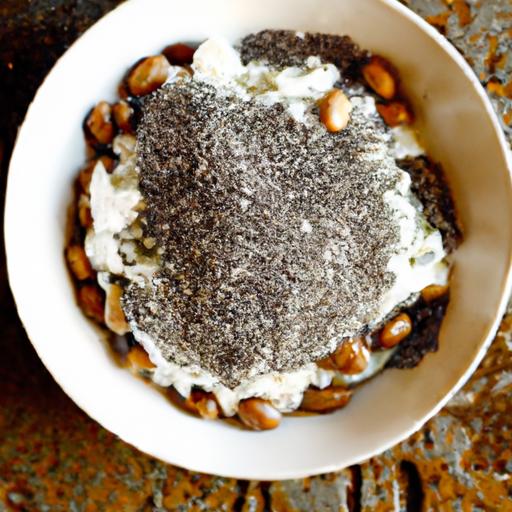
Once your chia pudding or beverage is perfectly smooth, serve it in transparent glass jars or bowls to showcase the delicate gel texture. Top with vibrant fresh berries,sliced mango,toasted coconut flakes,or a sprinkle of chopped nuts for added crunch and color contrast. A drizzle of nut butter or a dusting of cinnamon enhances both flavor and visual appeal, making every bite a delight for the senses.

| Nutrient | Amount (per serving) |
|---|---|
| calories | 140 kcal |
| Protein | 5 g |
| carbohydrates | 12 g |
| Fat | 8 g |
| Fiber | 10 g |
Additional Resources
Explore more about overnight oats with chia seeds to diversify your breakfasts. For an in-depth scientific explanation of chia seed hydration and mucilage, visit ScienceDirect.
Q&A
Untangling Chia Seed Clumps: Why they Form and How to Fix
Q: Why do chia seeds sometimes form clumps when soaked?
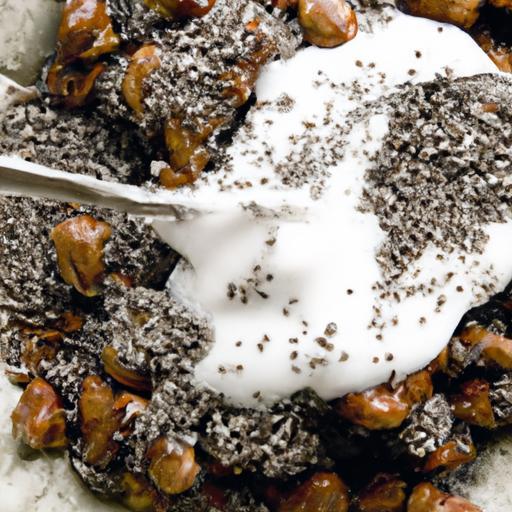
A: Chia seeds are tiny nutritional powerhouses coated with a gelatinous layer. When they meet liquid, this outer coating absorbs the moisture and swells up, creating a gel-like texture. Clumps form when some seeds group together and hydrate faster, trapping dry seeds inside or sticking to each other.It’s a bit like little chia seed islands forming in a sea of liquid!
Q: Does the type of liquid affect chia seed clumping?
A: Absolutely! Thicker liquids like smoothies or juices with pulp encourage quicker gel formation because the chia extracts absorb moisture rapidly. Water or plant-based milks tend to hydrate seeds more evenly-reducing the chance of stubborn clumps.Temperature also matters: warmer liquids speed up gel formation, which can lead to faster clumping.
Q: How can I prevent chia seeds from clumping when preparing them?
A: Prevention is all about even distribution and patience. Here are some tricks:
- Sprinkle chia seeds slowly into the liquid while whisking continuously.
- Use a blender or hand mixer for smooth, even mixing.
- Let seeds soak for 5-10 minutes, then stir again before letting them fully hydrate.
- Avoid dumping a large handful all at once-gradual mixing keeps the seeds separate.
Q: What’s a quick fix if my chia pudding is already clumpy?
A: Don’t despair! If clumps have formed, try these hacks:
- Give it a vigorous stir or blend it briefly-this breaks up the clusters and creates a creamier consistency.
- Add a splash more liquid and whisk well; extra moisture helps hydrate trapped dry seeds.
- Let it rest a bit longer after stirring,allowing the gel to even out.
With these moves, you can rescue your pudding from the clump trap!
Q: Are clumps bad for texture or taste?
A: Not necessarily. Some people enjoy the slightly chewy clusters as part of chia’s charm-they add a bit of texture contrast to otherwise smooth puddings or drinks. Though, large, dry clumps can be unpleasant and mask the or else creamy, subtle nutty flavor chia brings. Proper hydration helps you enjoy the perfect balance of gel and crunch.
Q: How long should I soak chia seeds to minimize clumping and get the best texture?
A: Typically, 20 to 30 minutes is ideal for soaking chia seeds. This timeframe allows them to fully absorb liquid and reach a pudding-like consistency. For ultimate smoothness, soaking overnight in the fridge is a winner-it lets all seeds hydrate evenly and reduces any chance of clumping.
Q: Can stirring technique really influence chia clumps?
A: Oh yes! Gentle stirring can leave pockets of dry seeds, while vigorous, consistent stirring encourages even hydration. A quick pulse with a blender breaks up emerging gels before they solidify. think of it as coaxing chia seeds to mingle rather than huddle into clumps.
Q: What’s a creative way to incorporate chia seeds without worrying about clumps?
A: Try sprinkling dry chia seeds on yogurt, oatmeal, or salads instead of soaking beforehand. The moisture from those foods hydrates seeds more gradually, minimizing the thick gel clusters. You get the nutritional punch with a subtle crunch and zero clump drama!
Q: Does the chia seed brand or freshness impact clumping?
A: Yes, fresh chia seeds tend to absorb water more uniformly.Older seeds might have a slightly harder coating, causing inconsistent hydration and more clumping. It’s worth sourcing high-quality, fresh chia seeds from trusted suppliers for the best results.
Q: Are there any tools that make chia seeding less clumpy?
A: Definitely! Fine mesh strainers, whiskers, or mini-frothers can definitely help disperse the seeds evenly in liquid. A good blender or immersion blender is a superstar for breaking up clumps and creating smooth chia-based mixtures.
Unlock the magic of chia by understanding their quirky gel habits-and you’ll turn those tiny seeds into a luscious, clump-free delight every time!
Wrapping Up
In the world of chia seeds, clumps may seem like tiny puzzles, but understanding why they form is the first step to mastering their magic. whether it’s the rush of hydration or the texture you desire, knowing how to untangle those gelled masses opens up a horizon of culinary creativity. Armed with these tips, you’re no longer at the mercy of clumps – instead, you can embrace chia seeds in all their smooth, nutrient-packed glory. So go ahead, stir with confidence, and let those little powerhouses elevate your meals without a hitch!