
In kitchens around the world, tofu frequently enough sits quietly on the shelves-an unassuming block of potential waiting to be transformed. Yet, beneath its modest appearance lies a culinary magic that has enchanted chefs and home cooks alike for centuries. From silky silken varieties to firm cubes that hold their shape through sizzling stir-fries, tofu is more than just a plant-based protein; it is indeed a versatile ingredient that adapts, absorbs, and elevates flavors with remarkable ease. In this article, we will unlock the mysteries behind tofu blocks, exploring their origins, textures, and countless culinary possibilities-revealing why this humble staple deserves a starring role on your plate.
Discovering the Origins and Varieties of Tofu Blocks
Unlocking the magic of tofu blocks starts by understanding their rich history and the diverse varieties that lend themselves to countless culinary adventures. Originating over 2,000 years ago in ancient China, tofu has evolved into a beloved protein staple worldwide. Its simplicity-a blend of soy milk curdled into firm or silky textures-belies the complexity it brings when mastered. From silken tofu’s custardy softness to extra-firm varieties perfect for grilling,each type holds unique properties that impact flavor absorption and mouthfeel.
Traditional soy-based tofu has several forms: silken, soft, firm, and extra-firm. In addition, regional varieties like pressed tofu or smoked tofu offer exciting tastes and textures. This versatility sets tofu apart, empowering home cooks and chefs alike to craft dishes ranging from creamy desserts to bold stir-fries.
Mastering Texture and Flavor: Selecting the Perfect Tofu for every dish
The key to transforming tofu into a mouthwatering creation lies in choosing the appropriate block. Silken tofu is ideal for smoothies, sauces, or delicate desserts, thanks to its smooth, custardy texture. soft or medium tofu works wonderfully in soups or braised dishes, while firm and extra-firm blocks hold their shape well for frying, grilling, and baking.
When shopping, look for tofu in water-packed containers-freshness influences both flavor and texture. Pressing your tofu removes excess moisture, allowing marinades to penetrate deeply and textures to crisp beautifully. Remember,unlocking the magic of tofu blocks means letting them absorb bold flavors through seasoning and smart techniques.
Essential Preparation Techniques to Elevate Your Tofu Experience
Begin by rinsing the tofu block under cold water, then press it gently to remove water without crumbling. A tofu press or weighted plate wrapped in a clean towel works perfectly. For extra-firm tofu, cutting the blocks into uniform slices or cubes ensures even cooking.
Marinating tofu for at least 30 minutes adds a burst of flavor; typical marinades include soy sauce, garlic, ginger, and a touch of sesame oil. when pan-frying, heat oil on medium-high until shimmering, then sauté tofu pieces until golden and crispy, approximately 5-7 minutes per side. baking tofu at 400°F (200°C) for 25-30 minutes creates a firmer bite, perfect for salads or grain bowls.
Creative Recipes and Serving Suggestions to Inspire Your Culinary Journey
Try a vibrant Spicy Maple-Glazed Tofu Stir-Fry loaded with crisp vegetables and fresh herbs for a colorful plate that celebrates both texture and flavor. Alternatively, blend silken tofu into creamy vegan cheesecakes or luscious chocolate mousse, showcasing tofu’s remarkable adaptability.
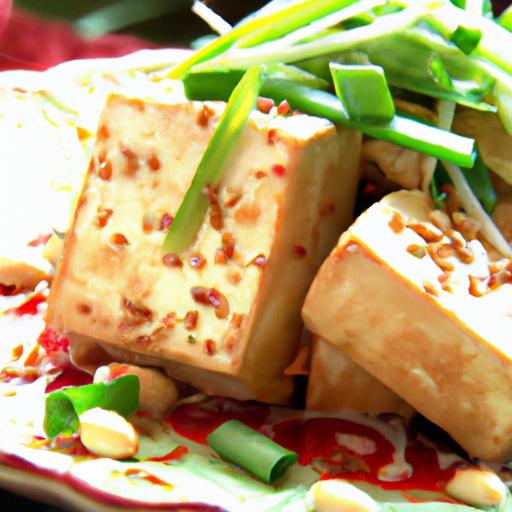
Serve fried tofu cubes garnished with toasted sesame seeds and chopped scallions atop a bed of jasmine rice or crunchy Asian slaw. For brunch,marinate tofu in turmeric and black salt,then pan-fry to create an irresistibly savory scramble.

Prep and Cook Time
- Prep Time: 15 minutes
- Marinate: 30 minutes (optional)
- Cook Time: 15-25 minutes
Yield
Serves 4 as a main dish or 6 as a side
Difficulty Level
Easy to Medium – perfect for novices ready to experiment or seasoned cooks eager to refine tofu mastery
ingredients
- 1 block (14 oz) extra-firm tofu, drained and pressed
- 2 tbsp soy sauce (or tamari for gluten-free)
- 1 tbsp maple syrup
- 1 tbsp toasted sesame oil
- 2 cloves garlic, minced
- 1 tsp freshly grated ginger
- 1 tsp chili flakes (optional for heat)
- 2 tbsp vegetable oil for frying
- 1 tbsp rice vinegar
- 2 scallions, thinly sliced for garnish
- 1 tbsp toasted sesame seeds for garnish
instructions
- Prepare the tofu: Rinse and drain the tofu block, then press for 10-15 minutes to remove excess moisture.
- Cut the tofu: Slice into 1-inch cubes or strips for even cooking and better marinade absorption.
- Make the marinade: In a bowl, whisk together soy sauce, maple syrup, sesame oil, garlic, ginger, chili flakes, and rice vinegar.
- Marinate tofu: gently toss tofu in the marinade.Cover and refrigerate for 30 minutes to let the flavors infuse deeply.
- Heat the pan: Add vegetable oil to a non-stick skillet over medium-high heat until shimmering.
- cook tofu: Add tofu pieces, cooking 5-7 minutes per side until golden brown and crisp. Turn carefully to avoid breaking.
- Serve: Transfer to a plate and sprinkle with toasted sesame seeds and thinly sliced scallions.
Tips for Success
- Pressing: Properly pressing tofu removes excess water, critical for achieving a firm, crispy texture.
- Marinating: For deeper flavor, marinate tofu overnight. Use airtight containers to maintain freshness.
- Cooking: Avoid overcrowding the pan; cook in batches if necessary for even browning.
- Variations: Swap maple syrup for honey or agave; add smoked paprika or cumin for warm,smoky tones.
- Make-Ahead: Cooked tofu keeps well in the fridge for 3-4 days and reheats beautifully in a skillet or oven.
Serving Suggestions
Pair your perfectly cooked tofu with steamed jasmine rice or nestle on top of a refreshing Asian cucumber salad. Drizzle with a simple soy-sesame dressing or a dollop of spicy sriracha-mayo for an extra zing. Garnish with freshly chopped cilantro, toasted nuts, or crispy fried shallots for textural contrast and vibrant colour.
| Nutrient | Per Serving |
|---|---|
| Calories | 180 kcal |
| Protein | 16 g |
| Carbohydrates | 8 g |
| Fat | 11 g |
For more inspiration on plant-based cooking and unlocking the magic of tofu blocks, explore our vegan stir-fry recipes and visit Serious Eats’ tofu guide for expert tips on flavor and technique.
Q&A
Q&A: Unlocking the magic of Tofu Blocks – A Culinary Staple Explained
Q: What exactly is tofu, and why is it considered magical in the culinary world?
A: Tofu, often dubbed the “chameleon of the kitchen,” is a versatile soy-based staple made by coagulating soy milk and pressing the resulting curds into blocks. Its magic lies in its ability to absorb flavors and transform textures, allowing it to shine in everything from savory stir-fries to sweet desserts. Whether silky smooth or firm and chewy, tofu adapts to your culinary inventiveness.
Q: How is tofu made, and what gives it its different textures?
A: The creation of tofu begins with soybeans, soaked and blended into soy milk. This milk is then curdled using a coagulant like nigari (magnesium chloride) or gypsum (calcium sulfate). The firmness of the tofu depends on how much water is pressed out-less water results in softer,silken tofu,while more pressing yields firm or extra-firm blocks. It’s the art of pressing that gives tofu its delightful textural variety.
Q: What are the common types of tofu, and when should each be used?
A: Tofu comes in several forms:
- silken tofu: Creamy and soft, perfect for blending into smoothies, dressings, or silky desserts.
- Soft tofu: Slightly more solid, great for gentle soups and egg substitutes.
- Firm tofu: Holds its shape well, ideal for stir-fries, grilling, and frying.
- Extra-firm tofu: Best for dishes requiring sturdy cubes or slices, like kebabs or crispy bites.
Q: How can I prepare tofu to maximize flavor and texture?
A: Tofu’s neutral nature means flavor is all about technique. Pressing out excess water helps it crisp up beautifully when cooked. Marinating tofu in bold sauces allows it to soak up delightful flavors. Cooking methods-pan-frying, baking, grilling, or steaming-further sculpt its texture. The key is patience and experimentation to unlock tofu’s full potential.
Q: Is tofu nutritious, and how does it fit into a balanced diet?
A: Absolutely! Tofu is a powerhouse of plant-based protein, containing all nine essential amino acids. It’s low in calories, rich in iron, calcium, and magnesium, and offers beneficial isoflavones linked to health benefits. For vegetarians, vegans, or anyone seeking a nutrient-dense food, tofu is a delicious, wholesome choice.
Q: Can tofu be used in desserts, or is it only suited for savory dishes?
A: Tofu’s magic extends to sweet realms as well! Silken tofu can be blended to create creamy mousses, puddings, and even cheesecake substitutes. Its neutral flavor and smooth texture make it a perfect dairy option, unlocking a world of guilt-free desserts that are both indulgent and nutritious.
Q: Any tips for tofu beginners eager to dive in?
A: start simple! Try pan-frying firm tofu with your favorite marinade or tossing silken tofu into a smoothie. Don’t be afraid to experiment with flavors and textures. Remember, tofu is a culinary canvas waiting for your creative brushstrokes-unlock its magic one block at a time!
Insights and Conclusions
As we close the lid on our exploration of tofu blocks, one thing is clear: this humble ingredient is anything but ordinary. From its subtle, versatile nature to its powerhouse of nutrition, tofu unlocks a world of culinary possibilities limited only by your imagination. Whether pressed into firm shapes perfect for grilling or gently crumbled into silky scrambles, tofu invites us to rethink plant-based cooking with creativity and confidence.So next time you stand before a block of tofu, remember-it’s not just a staple; it’s a blank canvas ready to transform your kitchen into a stage for delicious innovation. Embrace the magic, and let tofu inspire your next culinary adventure.