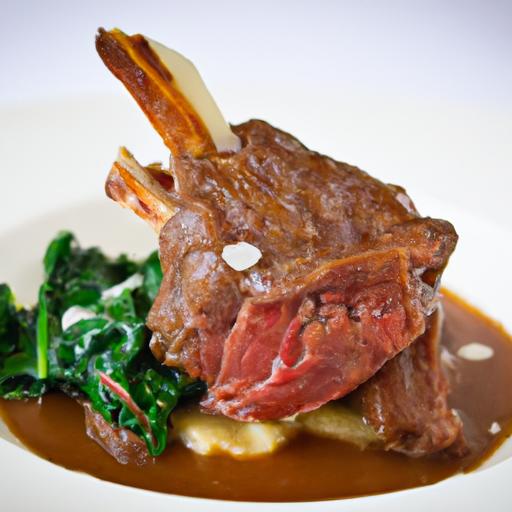

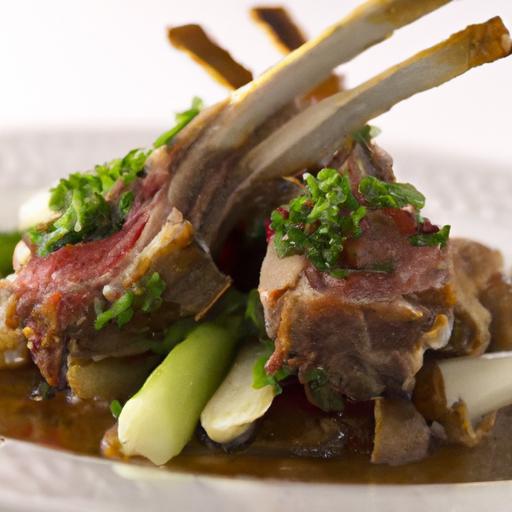
There’s a certain magic that happens when lamb is slow-cooked to perfection-a transformation that turns humble cuts into tender, flavorful masterpieces. Unlocking the full spectrum of this rich, succulent meat requires more then just time; it demands an artful balance of patience, technique, and thoughtful seasoning. In this exploration of slow-cooked lamb, we’ll delve into the secrets behind achieving that melt-in-your-mouth texture and deep, savory flavour that makes this dish a timeless favorite across cultures.Whether you’re a seasoned chef or a curious home cook, discover how mastering the art of slow cooking can elevate lamb from ordinary to extraordinary, one exquisite bite at a time.
Unlocking Flavor: The Art of Perfect Slow-Cooked Lamb
Unlocking flavor in slow-cooked lamb is truly a celebration of tradition, patience, and technique. Whether inspired by rustic Mediterranean feasts or rich Middle Eastern kitchens, the secret lies not just in the cut of meat but in the harmony between marinade, spice, and cooking method. I still recall a quiet Sunday afternoon where a humble shoulder roast, transformed through tender care and heady spices, became the centerpiece of a family gathering-each bite rich with succulence and warmth. This guide will take you through selecting the finest cut, mastering marinades and spice blends, and revealing the timing and temperature secrets that make slow-cooked lamb melt in your mouth.
Prep and Cook Time
- Preparation: 30 minutes (plus marinating time of at least 6 hours or overnight)
- cooking: 4 to 6 hours (slow-cooked)
Yield
Serves 6 generously, ideal for family dinners or special occasions.
Difficulty Level
Medium – Requires some planning and patience,but results are incredibly rewarding.
Ingredients
- 3 to 4 lbs lamb shoulder, bone-in for extra flavor
- 1/4 cup olive oil, extra virgin
- 4 cloves garlic, minced
- 2 tbsp fresh rosemary, finely chopped
- 1 tbsp ground cumin
- 1 tbsp smoked paprika
- 1 tsp ground cinnamon – adds a subtle warmth
- 1 tsp ground coriander
- 2 tsp sea salt
- 1 tsp freshly ground black pepper
- juice and zest of 1 lemon
- 1 cup low-sodium beef or vegetable broth
- 2 sprigs fresh thyme
- 1 large onion, sliced
Instructions
- Prepare the marinade: In a bowl, combine olive oil, garlic, rosemary, cumin, paprika, cinnamon, coriander, salt, pepper, lemon zest, and lemon juice. Mix thoroughly until fragrant and well blended.
- Marinate the lamb: Pat the lamb shoulder dry and massage the marinade all over, making sure to cover every nook and cranny.Allow it to rest in a covered container or sealed bag in the refrigerator for at least 6 hours, preferably overnight. This step is pivotal for unlocking flavor deep into the meat.
- Preheat your oven: Set to 275°F (135°C). Low and slow is the key to perfect tenderness.
- Prepare the slow-cooking base: In a heavy oven-safe Dutch oven or roasting pan, layer the sliced onions and thyme. This will create a natural bed for the meat and infuse the lamb with aromatic moisture.
- Sear the lamb: Heat a skillet over medium-high heat. Once hot, sear the lamb shoulder on all sides until a golden-brown crust forms, about 3-4 minutes per side. This caramelization is essential for depth of flavor.
- Assemble for slow-cook: Place the seared shoulder on the bed of onions and herbs. Pour in the broth around, not over, the lamb to maintain the seasoning crust intact.
- Cook slowly: Cover tightly with a lid or foil. Roast in the preheated oven for 4 to 6 hours, checking once or twice to ensure there’s enough liquid to prevent drying. The meat is done when it’s fork-tender and easily pulls apart.
- Rest and serve: Remove from the oven and let the lamb rest, covered loosely with foil, for 20 minutes. This process allows the juices to redistribute, enhancing moisture and tenderness before carving.
Chef’s Notes & Tips for Success
- Ideal Cuts: While shoulder is classic for slow cooking, shanks or brisket work beautifully, too. These cuts have the perfect connective tissue that breaks down beautifully when cooked low and slow.
- Marinating Magic: don’t rush the marinade time. Overnight is best. The acids from lemon juice gently tenderize while the spices infuse a complex profile.
- Maintaining Moisture: Keep a small amount of broth handy to top up the pan if it looks dry. A moist surroundings ensures the meat stays luscious.
- Variations: Swap rosemary for mint for a fresh twist, or add preserved lemon slices for a sharp, tangy layer.
- Make-Ahead: Slow-cooked lamb is even better the next day.Prepare fully and refrigerate. Reheat gently with additional broth to refresh moisture.
Serving Suggestions
Present your slow-cooked lamb atop a fluffy bed of couscous or creamy mashed potatoes to soak up every drop of the rich jus. garnish with fresh parsley and a sprinkle of pomegranate seeds for festive color and a burst of freshness. Crisp roasted vegetables or a vibrant herb salad complement the deep, aromatic flavors perfectly. Consider serving alongside a refreshing cucumber yogurt dip for contrast.

| Nutrient | Per Serving |
|---|---|
| Calories | 450 |
| Protein | 38g |
| Carbohydrates | 5g |
| Fat | 30g |
For a deeper dive into herbs and spices that enhance lamb dishes, check out our related guide on Perfect Herb Blends for Lamb. To expand your knowledge on the science behind slow cooking, visit Serious Eats: Slow Cooking Techniques.
Q&A
Q&A: Unlocking Flavor – The Art of Perfect Slow-Cooked lamb
Q1: Why is slow-cooking the ideal method for lamb?
A1: Lamb, with its rich and tender qualities, truly shines when cooked low and slow. This gradual process breaks down the connective tissues and collagen, transforming tougher cuts into melt-in-your-mouth delicacies while infusing the meat with deeply developed flavors. The slow heat allows spices and aromatics to fully permeate the lamb, resulting in a harmonious and memorable dish.
Q2: What cuts of lamb work best for slow cooking?
A2: The best candidates are the tougher, more flavorful cuts such as shoulder, shanks, and neck. These cuts contain more connective tissue and fat that, when slow-cooked, become luscious and tender. They are perfect for braising, stewing, or roasting at low temperatures over several hours.
Q3: How can one enhance the natural flavors of lamb during slow cooking?
A3: Aromatic herbs like rosemary, thyme, and bay leaves elevate lamb’s earthy richness. Combining them with garlic, onions, and a touch of citrus zest creates a shining counterpoint to the robust meat. Slow cooking allows these fragrant ingredients to deeply infuse the lamb,unlocking layers of complexity in every bite.
Q4: What role does seasoning play in slow-cooked lamb?
A4: Seasoning is the silent architect behind the dish’s success. Salt is basic-it penetrates the meat to enhance and balance sweetness and savoriness. Spices like cumin, coriander, or smoked paprika can add warmth and intrigue without overpowering lamb’s delicate character.Proper seasoning at the start ensures each bite bursts with intentional flavor.
Q5: How important is the cooking liquid in slow-cooked lamb dishes?
A5: The liquid acts as both a cooking medium and a flavor vessel. Using rich stocks, tomato-based broths, or even pomegranate molasses infuses the meat with moisture and flavor.This flavorful bath also creates a luscious sauce or gravy once reduced, making every mouthful a luxurious experience.
Q6: Can slow-cooked lamb benefit from a finishing step?
A6: absolutely. After hours of gentle cooking, finishing your lamb under a broiler or in a hot oven caramelizes the exterior, adding texture and concentrated flavor. This contrast between tender interior and slightly crisp exterior brings the dish to life-a feast for both the palate and the eyes.
Q7: How can one avoid common pitfalls when slow-cooking lamb?
A7: Patience and temperature control are key. Cooking too hot can toughen the meat or dry out the dish, while rushing the process undermines tenderness. Keeping the environment moist, either through covered cooking or basting, prevents drying. And tasting along the way helps adjust seasoning and liquid levels for perfect balance.
Q8: What sides complement slow-cooked lamb?
A8: Slow-cooked lamb pairs beautifully with hearty grains like couscous or barley, creamy root vegetable purées, or roasted seasonal vegetables.The richness of the meat is echoed by these earthy, comforting sides, creating a well-rounded and satisfying meal.
Q9: Is slow-cooked lamb suitable for special occasions?
A9: Without a doubt. Its remarkable depth of flavor and tender texture make slow-cooked lamb a star centerpiece that embodies care and craftsmanship. The aromas wafting through the kitchen alone create anticipation, ensuring your gathering is memorable and tasty.
Unlocking the art of slow-cooked lamb invites a sensory journey where patience and technique coalesce into unforgettable flavor moments.Embrace this time-honored method to elevate humble cuts into culinary treasures.
Wrapping Up
As the tender aroma of slow-cooked lamb fills your kitchen and the meat effortlessly melts off the bone, you realize that unlocking flavor is as much about patience and care as it is about technique and ingredients. This art of slow cooking transforms humble cuts into a symphony of rich, deep tastes-a culinary journey that rewards those willing to wait.With each simmer and every carefully chosen herb, you don’t just create a meal; you craft an experience that celebrates tradition, creativity, and the unparalleled magic of time. So, embrace the slow, savor the process, and let your taste buds discover the profound satisfaction of perfectly slow-cooked lamb.