
There’s a hidden world inside every chicken waiting to be discovered-a realm where juicy tenderness meets precise heat, and where cooking transforms simple poultry into culinary perfection. Unlocking the secrets to perfect internal cooking is more than just following a recipe; it’s about understanding the delicate dance between temperature, time, and technique. In this article, we’ll peel back the layers of mystery surrounding the chicken’s interior, revealing expert tips and scientific insights that ensure every bite is succulent, safe, and bursting with flavor. Get ready to embark on a flavorful journey that will forever change the way you cook chicken from the inside out.
Understanding Chicken Anatomy for Even Cooking
Unlocking chicken inside begins with a clear grasp of its anatomy-a crucial step to ensure your poultry cooks evenly and stays juicy. Chicken isn’t just one uniform piece of meat; it’s a composition of parts with different thicknesses and textures that demand individual attention. The breast, dense and lean, cooks faster than the thick, muscle-rich thigh and drumstick. The wings and legs often have connective tissue that requires gentle heat to become tender without drying out. Knowing these distinctions empowers you to time your cooking precisely or employ methods that protect moisture.
For instance, when roasting a whole chicken, the breast will reach its safe cooking temperature earlier than the thighs. Using techniques like trussing or covering the breast with foil can help balance the heat distribution. Mastering these nuances will elevate your confidence and results dramatically.
Mastering Internal Temperature for Juicy Results
The ultimate secret to perfectly cooked chicken lies in mastering the internal temperature. Unlocking chicken inside to juicy perfection means knowing exactly when to pull it from the heat. The USDA recommends a safe minimum internal temperature of 165°F (74°C) for chicken breast and thighs, but going slightly lower and resting the meat can create a more tender texture without compromising safety.
Use an instant-read thermometer inserted into the thickest part of the meat-avoiding bones-for the most accurate reading. Remove the chicken once it hits about 160°F (71°C) and let carryover heat finish the cooking during resting. This gentle finish seals juices in, yielding moist, flavorful bites in every forkful.
Choosing the Right Cooking Methods to Preserve Moisture
Some cooking methods naturally lend themselves to unlocking chicken inside while preserving its natural moisture. Poaching or braising at low temperatures immerses the chicken in a flavorful liquid, giving it a tender, succulent outcome.Roasting and grilling, when paired with proper temperature control and timing, create crispy skin and a juicy interior.
For rapid planning, sous vide cooking is a game changer. It heats chicken evenly to a precise temperature, guaranteeing consistent juiciness from edge to center. When pan-searing, sear the chicken skin-side down first to lock in moisture and flavor, then finish in the oven to avoid overcooking the surface.
Tips and Tools for Accurate Temperature Measurement
Equipped with the right tools,unlocking chicken inside at the perfect moment becomes effortless. Invest in a high-quality instant-read digital thermometer-it’s indispensable for hitting that sweet spot. Leave-in probes with alarms offer even more convenience when roasting a whole bird.
- Always calibrate your thermometer if possible to ensure precision.
- check temperature in several spots, especially the thickest parts, to avoid undercooked areas.
- Clean and sanitize between uses to prevent cross-contamination.
Temperature accuracy takes guesswork out of cooking and protects your chicken’s succulent texture every time. Remember, cooking is as much science as art, and reliable measurement tools keep you in command.

Prep and Cook Time
- Preparation Time: 10 minutes
- Cooking Time: Varies by method (15-60 minutes)
Yield
Serves 4 as a main course
Difficulty Level
Medium
Ingredients
- 4 boneless, skin-on chicken breasts, about 6 oz each
- Salt, to taste
- freshly ground black pepper, to taste
- 2 tablespoons olive oil
- 2 garlic cloves, minced
- 1 teaspoon smoked paprika
- 1 teaspoon dried thyme
- 1 lemon, sliced (for garnish and juices)
- Fresh parsley, chopped (for garnish)
Instructions
- Preheat your oven to 400°F (204°C). Pat the chicken breasts dry with paper towels to ensure crisp skin.
- Season thoroughly with salt, pepper, smoked paprika, and thyme on both sides for full flavor penetration.
- Heat olive oil in a large oven-safe skillet over medium-high heat. Add the garlic and sauté for 30 seconds until fragrant-avoid burning.
- Place the chicken breasts skin-side down in the hot skillet. Sear without moving for about 5-6 minutes until the skin turns golden and crisp.
- Flip the chicken breasts over and promptly transfer the skillet to the preheated oven.
- roast for 15-18 minutes, checking internal temperature at the thickest part with an instant-read thermometer. Remove at 160°F (71°C) for carryover cooking.
- Rest the chicken on a cutting board loosely tented with foil for 5-10 minutes to allow juices to redistribute.
- Garnish with lemon slices and fresh parsley before serving for a burst of color and brightness.
Tips for Success
- For deeper flavor, marinate chicken breasts overnight in olive oil, garlic, and herbs.
- If cooking thighs or bone-in pieces, adjust roasting time and check temperature at multiple spots.
- Use a meat thermometer regularly-visual cues alone can be misleading.
- Resting the meat after cooking is essential to avoid dry,stringy texture.
- Substitute fresh thyme with rosemary or oregano depending on your flavor preference.
Serving Suggestions
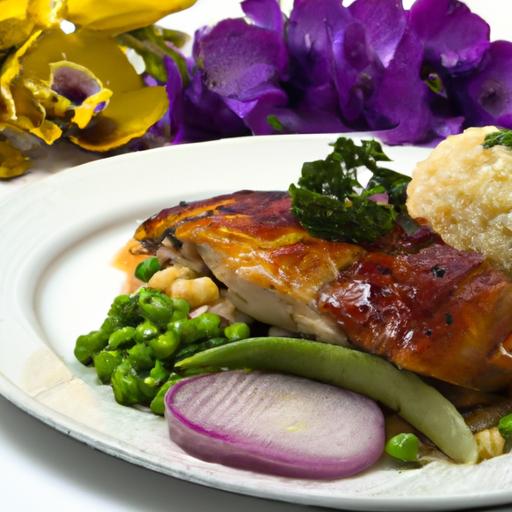
Pair your perfectly cooked chicken breasts with roasted seasonal vegetables or a vibrant quinoa salad. Drizzle leftover pan juices or a simple lemon-herb vinaigrette over the top. Consider garnishing with edible flowers or microgreens to enhance presentation and texture contrast. Serve alongside crusty artisan bread or creamy mashed potatoes to soak up every flavorful drop.
| Nutrient | Per serving |
|---|---|
| Calories | 290 kcal |
| protein | 42 g |
| Carbohydrates | 1 g |
| Fat | 10 g |
For more insights on temperature precision in cooking meats, check out USDA Food Safety Temperature Chart. Also, don’t miss our detailed guide on perfect roast chicken techniques for further expert tips.
Q&A
Q&A: unlocking Chicken Inside: Secrets to Perfect Internal Cooking
Q1: Why is cooking the inside of chicken properly so significant?
A: The interior of chicken holds the key to both safety and flavor. Undercooked chicken can harbor harmful bacteria, while overcooking dries out the meat and dulls its natural juiciness. Achieving the perfect internal temperature ensures tenderness,juiciness,and a deliciously safe meal.
Q2: What is the ideal internal temperature for perfectly cooked chicken?
A: The USDA recommends cooking chicken to an internal temperature of 165°F (74°C).This temperature guarantees that harmful bacteria are eliminated while preserving the chicken’s moist texture.
Q3: How can I accurately measure the internal temperature of chicken?
A: Investing in a reliable instant-read meat thermometer is a game-changer. Insert the thermometer into the thickest part of the meat-usually the breast or thigh without touching bone-for an accurate reading. Digital probes with quick response times are particularly handy.
Q4: Are there visual cues to judge whether the chicken inside is cooked?
A: though color can help, it’s not foolproof. The meat should look opaque with no pinkness, and the juices should run clear. Though,the best method remains using a thermometer; relying solely on appearance can be misleading.
Q5: How can I keep chicken moist while ensuring it’s cooked through?
A: Consider cooking techniques that gently bring the temperature up-such as poaching,slow roasting,or sous vide. Letting chicken rest after cooking allows juices to redistribute inside, keeping the interior juicy and tender.
Q6: what’s the secret to evenly cooking thick chicken cuts?
A: To unlock even cooking, try pounding thick cuts like breasts to an even thickness or slicing large pieces into smaller parts. Additionally, starting with room-temperature chicken ensures more uniform heat penetration.
Q7: Can marinating impact the internal cooking of chicken?
A: Definitely.Marinades with acidic ingredients or enzymes can tenderize meat, making the interior softer and more flavorful. But be mindful that acids can also slightly “cook” the surface, so marinate time should be balanced carefully.Q8: Why does chicken sometimes turn rubbery or dry inside after cooking?
A: Overcooking causes muscle fibers inside chicken to contract and squeeze out moisture, resulting in a tough, dry texture. This is often due to cooking at too high a temperature or cooking for too long.
Q9: What methods help “carry over cooking” to finish the chicken perfectly?
A: Removing chicken from heat a few degrees before the target internal temperature allows residual heat to complete the cooking. This technique prevents dryness and overshooting internal doneness.
Q10: How can rest time after cooking improve the inside texture of chicken?
A: Resting lets the juices trapped inside muscle fibers redistribute evenly, boosting moisture and tenderness. A good 5-10 minute rest under loosely tented foil makes a remarkable difference.
Armed with these insider tips, your chicken dishes will boast succulent, perfectly cooked interiors every time-a delicious victory from skin to bone!
Key Takeaways
As you venture forth in your culinary journey, remember that mastering the art of perfectly cooked chicken is less about guesswork and more about understanding the science within. Unlocking the secrets to internal cooking not only guarantees safety but elevates flavor, texture, and juiciness to new heights. With each precise temperature check and mindful resting period, you transform a humble bird into a masterpiece of succulent delight. So next time you prepare chicken, let these insights guide your hands-and savor the delicious finding of perfection from the inside out.