
In kitchens around the world, a humble circle of dough has quietly shaped cultures, nourished generations, and sparked culinary creativity like few other foods. The tortilla-a timeless staple-holds within its warm embrace a story as rich and varied as the lands it comes from. From ancient Mesoamerican origins to global tables today, this versatile flatbread has evolved into countless varieties, each with its own unique texture, flavor, and purpose. Join us as we unravel the engaging history of the tortilla, explore its many forms, and discover the endless ways it continues to inspire both tradition and innovation in cooking.
The timeless tortilla has woven its way through centuries of culinary tradition, connecting ancient civilizations from Mesoamerica to modern tables worldwide. This humble yet versatile flatbread holds profound cultural significance, having been crafted and cherished by the Aztecs, Mayans, and countless regional communities who saw it not just as sustenance, but as a symbol of identity, party, and tradition.
Prep and Cook Time
- Readiness: 15 minutes
- Resting: 30 minutes
- Cooking: 10 minutes
- Total Time: 55 minutes
Yield
- Makes 12 medium-sized tortillas (6-inch diameter)
Difficulty Level
- Easy to Medium
Ingredients
- 2 cups masa harina (corn flour), preferably fresh and finely ground
- 1 ¼ cups warm water (adjust as needed)
- ½ teaspoon fine sea salt
- Optional: 1 tablespoon vegetable oil for extra pliability
Instructions
- Mix masa harina and salt in a large bowl until evenly combined.
- Gradually pour warm water into the flour mixture, stirring continuously with your hand or spoon until a dough begins to form.
- Knead the dough gently right in the bowl or on a clean surface for about 3 minutes until soft and pliable but not sticky. If dough feels dry,add water one tablespoon at a time.
- Cover the dough with a damp cloth and let it rest for 30 minutes to hydrate fully-this step ensures soft tortillas with an authentic texture.
- Preheat a heavy skillet or comal over medium-high heat.
- Divide the rested dough into 12 equal balls (about 2 tablespoons each) and keep them covered to prevent drying.
- Use a tortilla press or rolling pin between two sheets of parchment paper to flatten each ball into a thin, 6-inch circle.
- Place each tortilla carefully on the hot skillet. Cook for about 45-60 seconds until edges lift slightly-then flip and cook another 45 seconds.
- Flip one last time and press lightly with a spatula to encourage the tortilla to puff slightly. remove when light golden spots appear and cooked through.
- Wrap cooked tortillas in a clean cloth to keep warm and soft until serving.
Tips for Success
- For extra softness, gently brush each cooked tortilla with a little melted vegetable oil before storing.
- Substitution: All-purpose flour can be used if you want flour tortillas instead, but masa harina is key for the authentic corn flavor.
- If tortillas crack when folding, your dough may be too dry; add more warm water in small increments.
- Resting the dough is vital-don’t skip this! it allows the masa to absorb water evenly, preventing brittle tortillas.
- Make-ahead: Tortillas freeze well when layered with parchment paper and sealed tightly; reheat on a hot skillet or wrapped in foil.
serving Suggestions
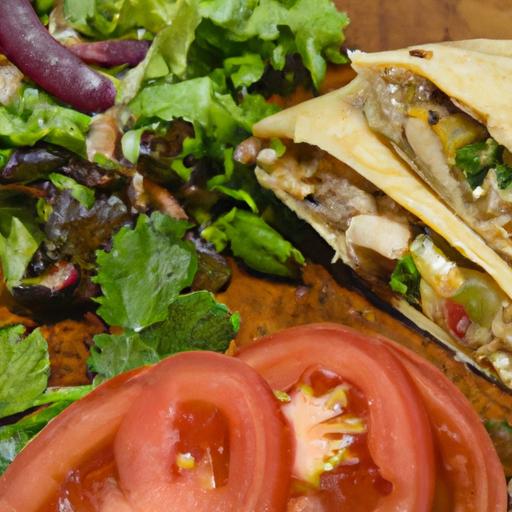
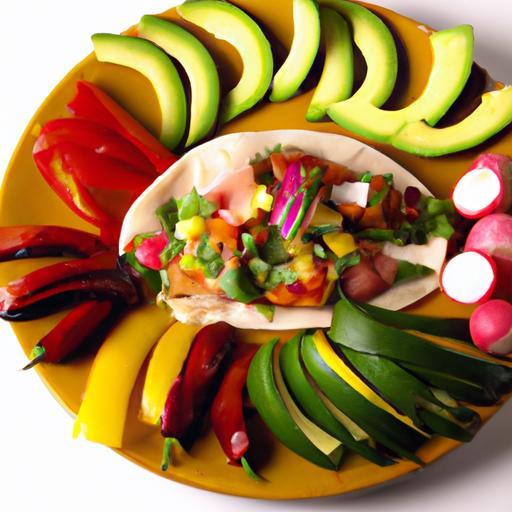
- Use warm tortillas to create vibrant tacos filled with grilled vegetables, smoky grilled chicken, or fresh avocado salsa.
- Cut into triangles and lightly toast for rustic tortilla chips, perfect for dipping in fresh guacamole or rich black bean dip.
- Layer with refried beans, shredded cheese, and sautéed peppers to create a quick, flavorful quesadilla.
- Wrap hearty fillings like lime-marinated grilled shrimp or spiced roasted vegetables for an easy yet elegant meal.
- Garnish with a sprinkle of fresh cilantro, a wedge of lime, or a dollop of cool crema for color and zest.

| Nutrient | Per Tortilla (approx.) |
|---|---|
| Calories | 90 kcal |
| Protein | 2 g |
| Carbohydrates | 18 g |
| Fat | 1.5 g |
The Timeless Tortilla in Global Cuisine
Across civilizations, the tortilla has adapted to myriad regional tastes and techniques. From the thick,hearty corn tortillas favored in southern Mexico,often cooked on traditional clay comals,to the thin,pliable flour versions beloved in northern Mexico and the southwestern United States,this flatbread continually evolves. indigenous groups historically used nixtamalization, soaking corn kernels in alkaline water, a method that unlocked deeper nutritional value and the characteristic flavor we cherish today.
Modern kitchens embrace the timeless tortilla beyond traditional boundaries: rolled into wraps, layered in lasagna-inspired casseroles, or even transformed into sweet handheld treats. with every fold and bite,you connect with a rich heritage and endless creative culinary possibilities.
For further inspiration on tortilla pairings, check out our detailed guide on Mexican salsas and dips. Discover authentic flavor pairings that elevate your tortilla experiance.
Learn more about the science behind masa harina and nixtamalization at the USDA Nutrition and Food Composition Database.
Q&A
Q&A: The Timeless Tortilla – History, Varieties, and Uses Explored
Q1: What is the origin story of the tortilla?
A1: The tortilla’s story begins thousands of years ago in Mesoamerica, where ancient civilizations like the Aztecs and Maya crafted this simple flatbread from maize. Revered not only as sustenance but also as a symbol of life, the tortilla was central to both daily meals and sacred ceremonies, laying the foundation for its enduring presence in cuisine today.
Q2: How did tortillas evolve from their ancient roots?
A2: Originally made solely from ground maize treated with limewater-a process called nixtamalization-the tortilla has evolved to embrace new ingredients and forms.The Spanish conquest introduced wheat, leading to the creation of the flour tortilla. Today, the tortilla flourishes in countless variations, reflecting local tastes and innovations while staying true to its humble origins.
Q3: what are the main types of tortillas found worldwide?
A3: The two pillars of tortilla types are corn and flour. Corn tortillas boast a rustic texture and earthy flavor, celebrated for their natural gluten-free properties.Flour tortillas are softer and more pliable, perfect for wraps and burritos. Beyond these, regional specialties offer alternatives like blue corn tortillas, spinach-infused versions, and even sweet tortillas made with added spices or sweeteners.
Q4: How is a traditional corn tortilla made?
A4: Traditional corn tortillas are a labor of love that starts with nixtamalizing dried corn kernels-soaking and cooking them in an alkaline solution to soften and enhance flavor. After rinsing, the kernels are ground into masa dough, shaped into disks, and toasted on a hot griddle, releasing their characteristic aroma and creating a pliable, flavorful flatbread.
Q5: What culinary roles do tortillas play across cultures?
A5: Tortillas are culinary chameleons-acting as plates,utensils,and vessels for fillings.From the beloved taco and enchilada in Mexican cuisine to wraps and sandwiches across the americas, tortillas enable a burst of creativity in meals. They can be grilled,fried,baked,or served fresh,adapting seamlessly to breakfast,lunch,dinner,or snacks.
Q6: Are tortillas only used for savory dishes?
A6: Not at all! While savory fillings are classic, tortillas also shine in sweet applications. they can cradle fruits and creamy fillings, be drizzled with honey and cinnamon, or even transformed into crispy tortilla chips dusted with sugar and cinnamon for a delightful dessert twist.
Q7: How do tortillas fit into modern dietary trends?
A7: Tortillas align well with many dietary lifestyles. Corn tortillas offer a naturally gluten-free option rich in fiber and essential nutrients. Whole wheat flour tortillas provide additional protein and minerals. plus, with the rise of plant-based and wholesome eating, tortillas serve as a flexible foundation for vibrant vegetable, legume, and grain fillings.
Q8: What tips can help someone make the perfect homemade tortilla?
A8: Key tips include using fresh masa or high-quality flour, maintaining dough moisture without stickiness, and mastering the art of pressing or rolling to achieve even thickness. Cooking on a hot, dry griddle ensures quick puffing and slight charring for flavor. Patience and practice transform simple ingredients into tender, warm tortillas that capture the heart of tradition.
Q9: How do tortillas contribute to cultural identity and community?
A9: Tortillas are much more than food-they are woven into cultural identity and social rituals. Sharing tortillas around the table fosters connection and storytelling, honoring ancestral wisdom. Their preparation and consumption uphold a culinary heritage that bridges generations, reminding us that the simplest foods often carry the deepest meanings.
Q10: Where can one experience authentic tortillas beyond home cooking?
A10: Authentic tortillas can be found in markets and eateries throughout Mexico and other parts of Latin America,where traditional methods are celebrated daily. Food festivals, cooking classes, and cultural events also offer immersive experiences, inviting enthusiasts to witness the artistry and flavor of tortillas in their purest, most vibrant form.
The Way Forward
From ancient hearths to modern tables, the tortilla remains a appetizing testament to human ingenuity and cultural fusion.Its humble origins have blossomed into a diverse tapestry of flavors and forms, each variety telling its own story.Whether wrapped around savory fillings, crisped to a golden crunch, or simply enjoyed warm and fresh, the tortilla continues to bridge generations and cuisines. As we savor its timeless charm, we celebrate not just a food, but a living legacy-one that invites us all to roll, fold, and share in the rich history and endless possibilities of this beloved staple.