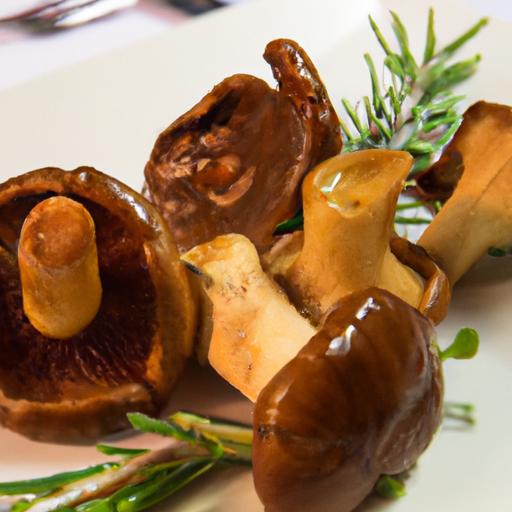

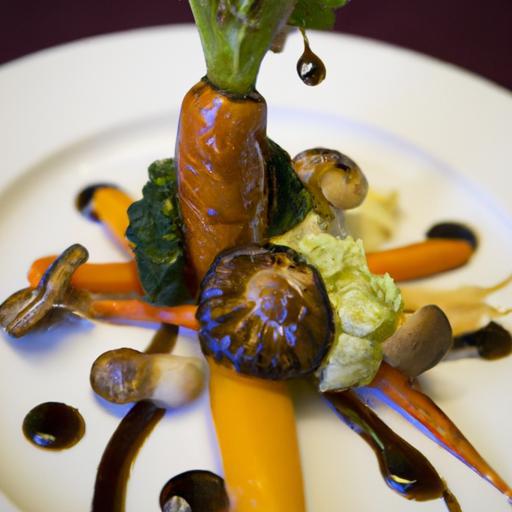
Beneath the veil of damp forest floors and tucked within the whispers of ancient woodlands lies a realm both enchanting and enigmatic: the mysterious world of mushrooms. Often overlooked or misunderstood, these silent architects of nature play vital roles far beyond their quirky shapes and vibrant colors. From their secret underground networks to their extraordinary ecological feats, mushrooms are nature’s hidden gems-intriguing organisms that challenge our perceptions of life itself. Join us as we delve into their captivating biology, uncover their hidden powers, and explore the surprising ways they shape the balance of our natural world.
The Mysterious World of Mushrooms: Nature’s Hidden Gems
The Mysterious World of Mushrooms offers a unique chance to explore one of nature’s most versatile culinary and medicinal gifts.Drawing inspiration from the enigmatic diversity of fungi in forest ecosystems, this recipe celebrates the profound health benefits and captivating flavors of exotic mushrooms.Foraging, cultivating, and cooking with these hidden gems unlocks a world of wellness and flavorful discovery, perfect for those ready to embrace the magic of mushrooms in their kitchen.
Prep and Cook Time
- Prep Time: 20 minutes
- Cook Time: 25 minutes
- Total Time: 45 minutes
Yield
Serves 4
Difficulty Level
Medium
Ingredients
- 300g mixed exotic mushrooms (shiitake, oyster, maitake, cleaned and sliced)
- 2 tbsp extra virgin olive oil
- 3 cloves garlic, minced
- 1 small shallot, finely chopped
- 1 tbsp fresh thyme leaves
- 1 tsp smoked paprika
- 1 tbsp tamari or soy sauce (gluten-free if preferred)
- 100ml vegetable broth
- 1 tbsp fresh lemon juice
- Salt and black pepper to taste
- Fresh parsley, chopped, for garnish
- 1 tbsp toasted pine nuts (optional, for texture)
- 1 cup cooked quinoa or brown rice (for serving)
Instructions
- Heat olive oil in a large skillet over medium heat. Add the minced garlic and chopped shallot, sautéing until fragrant and translucent, about 2-3 minutes.
- Add the mixed exotic mushrooms to the skillet. Stir gently, cooking until they release moisture and begin to turn golden brown, about 8 minutes. Stir occasionally to ensure even sautéing without sticking.
- Sprinkle the smoked paprika and fresh thyme into the mushrooms. Stir to coat all pieces evenly, enhancing their earthy aroma.
- Pour in the tamari and vegetable broth, allowing the mixture to simmer gently. This will deglaze the pan and infuse the mushrooms with depth, cooking until most of the liquid has evaporated, around 5 minutes.
- Finish with fresh lemon juice, salt, and pepper. Stir well to brighten the flavors and season perfectly.
- Remove from heat, sprinkle with chopped parsley and toasted pine nuts to add freshness and a satisfying crunch.
- Serve warm over a bed of fluffy quinoa or brown rice, creating a nourishing, wholesome dish that captures the essence of the mysterious fungi world.
Tips for Success
- Choose mushrooms that are firm and free of blemishes for the best texture and flavor.
- If you prefer, substitute vegetable broth with mushroom broth for an intensified umami experience.
- Ensure mushrooms are well dried after cleaning to promote browning instead of steaming.
- This dish can be prepared ahead; refrigerate and reheat gently to maintain mushroom texture.
- For a vegan creamier twist, swirl in a tablespoon of coconut cream right before serving.
Serving Suggestions
Present this golden mushroom medley in rustic shallow bowls, garnished with a fresh sprig of thyme and a light drizzle of extra virgin olive oil. pair with a crisp side salad of arugula and shaved fennel or a simple lemon-dressed green for contrast. The nutty pine nuts add a satisfying crunch, making each bite a textural delight. Perfect as a main course or an elegant side for plant-based meals, this dish brings the healthful mystique of the strange and lovely fungi kingdom right to your plate.

| Nutrient | Amount per Serving |
|---|---|
| Calories | 220 kcal |
| Protein | 7 g |
| Carbohydrates | 28 g |
| Fat | 8 g |
Explore More
Curious about how to sustainably forage mushrooms and incorporate them into your wellness routine? Check out our detailed guide on Foraging Mushrooms Safely: Tips for Beginners. For deep scientific insights into fungi’s health benefits, visit the National Centre for Biotechnology Information.
Q&A
Q&A: The Mysterious World of Mushrooms: Nature’s Hidden Gems
Q1: what makes mushrooms so mysterious compared to other plants and fungi?
A1: Mushrooms captivate us with their enigmatic life cycle and peculiar forms. Unlike plants, they don’t photosynthesize, yet they play a crucial role in ecosystems as decomposers and symbiotic partners. Their ability to emerge seemingly overnight and their otherworldly shapes and colors add to their mysterious reputation, blurring the lines between the natural and the magical.
Q2: How do mushrooms communicate or interact with their surroundings?
A2: Beneath the forest floor, a vast network of fungal threads-mycelium-acts like a hidden internet, connecting trees and plants. this underground web facilitates nutrient exchange and chemical signaling, allowing mushrooms to support forest health and even “talk” to neighboring plants, sharing warnings about pests or environmental stress.
Q3: What are some of the most interesting shapes and colors found in mushrooms?
A3: From the luminescent glow of bioluminescent fungi that light up dark woods, to the striking red caps of amanitas, mushrooms are nature’s living artwork. some resemble tiny umbrellas, others like coral reefs or intricate lace, showcasing an astonishing diversity that speaks to their evolutionary creativity.Q4: Can all mushrooms be safely eaten?
A4: Absolutely not! While many mushrooms are edible and delicious, others can be highly toxic or even deadly. Proper identification is essential-experienced foragers rely on keen observations, expert knowledge, and sometimes microscopic analysis to distinguish the edible from the risky. This caution adds to the allure and mystique of mushroom hunting.
Q5: Besides food, what important roles do mushrooms play in nature and science?
A5: Mushrooms are ecological powerhouses, breaking down organic matter and recycling nutrients back into the soil. Their symbiotic relationships help forests thrive. In science, mushrooms inspire breakthroughs in medicine, including antibiotics and potential treatments for neurodegenerative diseases, as well as innovations in enduring materials like biodegradable packaging and textiles.
Q6: Why are mushrooms considered “hidden gems” of the natural world?
A6: mushrooms flourish quietly, often hidden under leaf litter or inside decaying logs, yet they support entire ecosystems and hold secrets that challenge our understanding of biology.Their subtle presence belies a profound influence on health, environment, and culture-making them nature’s hidden treasures waiting to be discovered.
Q7: How can someone start exploring the world of mushrooms safely and responsibly?
A7: Start with guided forays led by mycological societies or experienced foragers to learn identification skills and safety tips. Use field guides packed with detailed photos and descriptions, and never consume wild mushrooms unless absolutely certain of their identity. Cultivating curiosity, respect, and patience will unlock the fascinating universe of fungi with wonder and care.
in summary
As we peel back the layers of the mysterious world of mushrooms, these enigmatic organisms reveal themselves as much more than mere forest-floor dwellers. They are nature’s hidden gems-architects of decay and renewal,silent communicators beneath the soil,and bearers of profound ecological and medicinal secrets. Whether you’re a curious forager, a science enthusiast, or simply a lover of nature’s oddities, mushrooms invite us to look closer, think deeper, and appreciate the intricate web of life threaded beneath our feet.In their quiet, unassuming way, mushrooms remind us that sometimes the most extraordinary wonders thrive in the shadows, waiting patiently to be discovered.