
In the vibrant world of culinary arts, few techniques capture the essence of speed, flavor, and finesse quite like Chinese stir-fry. “Sizzle and Serve: Mastering the art of Chinese Stir Fry” invites you on a sizzling journey through the wok-where high heat meets speedy precision to transform humble ingredients into mouthwatering masterpieces. More than just a cooking method, stir-frying is a dynamic dance of aroma, color, and texture, rooted in centuries of tradition yet endlessly adaptable to modern tastes. Whether you’re a kitchen novice or a seasoned cook, this article will unravel the secrets behind that perfect sear, the balance of bold flavors, and the artful timing needed to bring wok-tossed dishes from your stove straight to the table-steaming, savory, and spectacular.
Sizzle and Serve: Mastering the Art of Chinese Stir Fry begins with selecting vibrant, fresh ingredients that breathe life into every bite. The magic of stir fry lies in its harmony of crisp textures, bold flavors, and enticing aromas-each element handpicked to create a dish that’s both a feast for the eyes and a delight for the palate.
Prep and Cook Time
Preparation: 15 minutes
Cooking: 10 minutes
Total Time: 25 minutes
Yield
4 servings
Difficulty Level
Medium – Perfect for home cooks eager to elevate their stir fry skills
Ingredients
- 300g boneless chicken breast, thinly sliced against the grain
- 1 red bell pepper, julienned
- 1 cup snap peas, trimmed
- 1 medium carrot, sliced thinly on a bias
- 4 spring onions, sliced into 2-inch pieces
- 3 garlic cloves, minced
- 1 tablespoon fresh ginger, finely grated
- 2 tablespoons vegetable oil (preferably peanut or canola oil)
- 2 tablespoons soy sauce (use light soy for authentic flavor)
- 1 tablespoon oyster sauce
- 1 teaspoon toasted sesame oil
- 1 teaspoon Chinese rice wine or dry sherry
- 1 teaspoon cornstarch mixed with 2 tablespoons water (slurry)
- 1/2 teaspoon white pepper
- Fresh cilantro leaves, for garnish
- Toasted sesame seeds, for garnish
Instructions
- Marinate the chicken: In a bowl, combine the chicken slices with half the soy sauce, rice wine, and cornstarch slurry. Mix thoroughly and let rest for 10 minutes. This tenderizes the meat and adds a glossy sheen when cooked.
- Prepare the sauce: In a small bowl, whisk together oyster sauce, remaining soy sauce, sesame oil, and white pepper. Set aside.
- Heat your wok or large skillet: Add vegetable oil over high heat until shimmering but not smoking. This initial sizzle is crucial for that signature sear.
- Cook the chicken: Add marinated chicken in a single layer. Stir-fry rapidly for 2-3 minutes until just cooked and slightly golden.Remove and set aside to prevent overcooking.
- Sauté aromatics: Lower heat slightly, add garlic and ginger. stir quickly until fragrant, about 30 seconds.
- Stir-fry vegetables: Toss in carrots and snap peas first, stirring for 2 minutes. Follow with bell peppers and spring onions, continuing to stir-fry until veggies are tender-crisp (about another 2 minutes). The goal is vibrant color and crunchy texture.
- reintroduce chicken and sauce: Return the chicken to the wok. Pour in the sauce mixture and toss everything briskly,coating evenly. Add the cornstarch slurry if the sauce needs thickening; cook for an additional minute to let it glaze the stir fry beautifully.
- Final touches: Remove from heat and transfer to a warmed serving platter. Garnish generously with fresh cilantro and toasted sesame seeds to enhance aroma and presentation.
Tips for Success
- Ingredient freshness: The key to vibrant stir fries is using vegetables picked at their peak. Choose firm, brightly colored produce for the best crunch and flavor.
- High heat is essential: A properly preheated wok ensures the iconic sizzle and locks in moisture, preventing soggy results.
- Work fast: Stir frying is a quick method-keep your ingredients prepped and close at hand before you start cooking.
- Sauce balance: Taste your sauce before adding it-adjust saltiness and sweetness with a pinch of sugar or a splash of vinegar if desired for personal preference.
- Substitutions: Swap chicken with shrimp, thinly sliced beef, or tofu for varied protein options.
- Make-ahead marinade: You can marinate the meat the night before to deepen flavor without adding time on cooking day.
Serving Suggestions
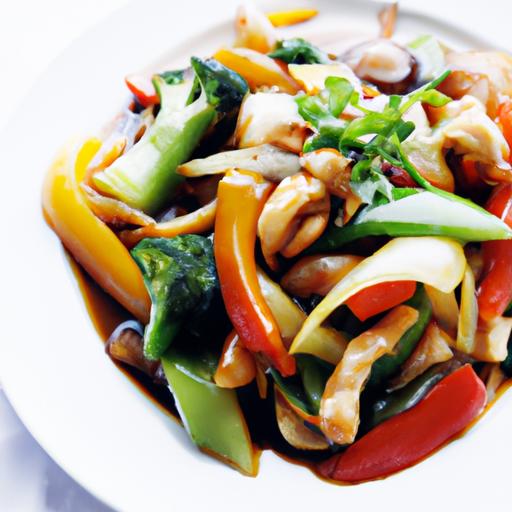
Serve your masterpiece over steamed jasmine rice or fluffy fried rice for a classic experience. To transform your stir fry into a visual feast, plate it on a white or dark ceramic dish to contrast the vibrant colors. Scatter extra sesame seeds and a few delicate cilantro sprigs atop. Accompany with a side of pickled cucumbers or a crisp Asian slaw for added texture and freshness.
| Nutritional Info (per serving) | Calories | Protein (g) | Carbs (g) | Fat (g) |
|---|---|---|---|---|
| Stir Fry chicken & Veggies | 320 | 35 | 15 | 10 |

For further inspiration on authentic Chinese flavor profiles, explore our detailed guide on Chinese Sauce Recipes. To deepen your understanding of stir frying techniques, the Serious Eats Stir Fry Primer is an excellent resource.
Q&A
Q&A: Sizzle and Serve – Mastering the art of Chinese Stir Fry
Q1: What exactly is Chinese stir fry, and why is it so beloved worldwide?
A1: Chinese stir fry is a cooking technique that involves quickly frying bite-sized pieces of ingredients in a hot wok over high heat, frequently enough with a splash of flavorful sauces. It’s beloved worldwide because it delivers vibrant textures,vivid colors,and a harmony of bold flavors-all in a matter of minutes. Plus, it’s endlessly versatile, letting you tailor every dish to your taste or what’s fresh in your kitchen.
Q2: Why is the wok considered essential to authentic stir frying?
A2: The wok isn’t just a pan; it’s a culinary powerhouse. Its unique shape concentrates heat at the bottom while allowing quick tosses along the sloping sides. This design creates that signature “wok hei” or “breath of the wok,” a smoky, slightly charred flavor you just can’t replicate with a regular skillet. Plus, its high sides keep your ingredients flying and mingling without spilling.
Q3: How do I master the heat for the perfect stir fry?
A3: Mastering heat is like conducting a fiery orchestra. Start with a blazing hot wok to sear your ingredients instantly, locking in juices and flavor. Prep everything beforehand-once the heat hits, there’s no time to hesitate! Add ingredients in the order of cooking times: aromatics first, followed by proteins, then veggies, each getting a quick, intense toss. The goal is to achieve tender-crisp textures, not soggy mush.
Q4: what are the must-have ingredients in a classic Chinese stir fry sauce?
A4: The magic sauce typically balances salty, sweet, savory, and umami notes. Key players include soy sauce for saltiness, oyster sauce for depth, a dash of rice wine or Shaoxing wine, a pinch of sugar or honey to soften the edges, and maybe some toasted sesame oil for fragrance. Cornstarch slurry often rounds out the sauce to a glossy, clingy finish that hugs every morsel.
Q5: Can stir frying be healthy and nutritious?
A5: Absolutely! Stir frying preserves the crunch and color of veggies, meaning they keep more vitamins and minerals than long cooking methods.Using lean proteins like chicken, tofu, or seafood combos nutrition and flavor. Plus, the high heat and swift cooking reduce the need for excess oil.Just watch your oil amount and choose heart-healthy options like peanut or canola oil for a guilt-free meal.
Q6: What’s a rookie mistake to avoid when stir frying?
A6: The biggest pitfall is overcrowding the wok. When too many ingredients crowd the pan, they steam instead of sear, sogging down your stir fry and killing that coveted texture. Keep portions small, cook in batches if needed, and keep the heat roaring hot. This way, every piece gets that characteristic sizzle and slightly caramelized edge.
Q7: How can I get creative with my stir fries beyond the basics?
A7: The sky’s the limit! Experiment with regional Chinese flavors like Sichuan peppercorns for a numbing kick or add fermented black beans for funk. Mix in unexpected veggies like baby corn or lotus root, swap proteins for plant-based options, or finish with fresh herbs like Thai basil or chopped peanuts for crunch. Stir frying is your blank canvas-don’t be afraid to sizzle outside the lines!
Mastering the art of Chinese stir fry means embracing heat, timing, and a dash of daring. With a hot wok and a playful spirit,you’ll be sizzle-and-serve savvy in no time-turning simple ingredients into a symphony of flavor.
Wrapping Up
As the enticing aromas of your sizzling stir-fry fill the kitchen, you’ve not only crafted a meal but also embraced a time-honored tradition bursting with flavor, technique, and balance. Mastering the art of chinese stir fry is more than just knowing the right ingredients-it’s about perfecting rhythm and timing, harnessing high heat, and celebrating the vibrant harmony of textures and tastes.So next time you toss your wok, remember: each sizzle is an invitation to explore, experiment, and elevate. With practice and passion, your stir-fry won’t just be a dish-it will be a appetizing story served straight from your kitchen to your plate. happy cooking!