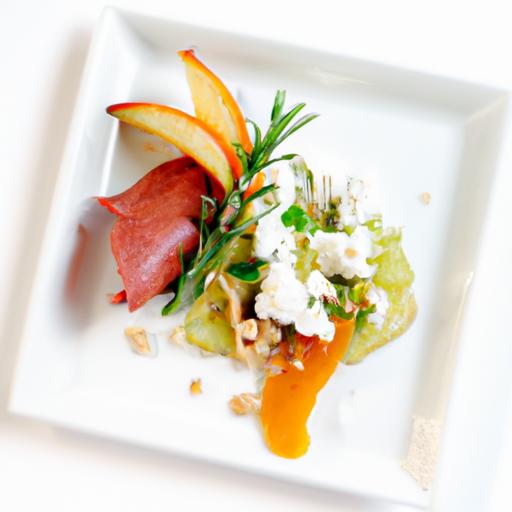


In the bustling aisles of modern supermarkets, seed oils have quietly claimed their place on our shelves and in our kitchens, often touted as the heart-healthy option to traditional fats. From sunflower to canola, these oils promise a golden ticket to better cooking and improved wellness. But beneath their shiny bottles and health claims lies a complex story-one that intertwines science,industry,and a dash of controversy. Are seed oils truly the nutritional heroes they’re made out to be, or do they harbor hidden risks lurking just beneath the surface? In this article, we peel back the layers to reveal the truth about seed oils, exploring their surprising benefits alongside the lesser-known concerns, so you can make informed choices for your table and your health.
Understanding seed oils is essential for anyone eager to master both the science and culinary potential of these versatile pantry staples. The unique nutritional profile of popular seed oils like sunflower, safflower, and grapeseed oil offers both exciting benefits and hidden risks depending on how they’re processed and incorporated into your kitchen routine. this insight not only helps elevate your cooking but also empowers you to create heart-healthy, flavorful dishes that resonate with modern wellness goals.
Prep and Cook Time
- Prep Time: 10 minutes
- Cook Time: 15 minutes
- Total Time: 25 minutes
Yield
- Serves 4 as a light entrée or side dish
Difficulty Level
- Easy
Ingredients
- 2 tablespoons sunflower seed oil – light and neutral-flavored
- 1 medium red onion, thinly sliced
- 3 cloves garlic, minced
- 1 large zucchini, diced
- 1 cup cherry tomatoes, halved
- 1 cup cooked quinoa – fluffy and nutty
- 2 tablespoons toasted pumpkin seeds – adds crunch and nutrition
- 1 tablespoon fresh lemon juice
- Salt and freshly cracked black pepper, to taste
- Fresh basil leaves for garnish
Instructions
- Heat the sunflower seed oil in a large skillet over medium heat.Sauté the sliced red onion until translucent, about 4 minutes, stirring occasionally.
- Add the minced garlic and cook for 1 minute until fragrant, careful not to burn.
- stir in the diced zucchini and cook for 5-6 minutes until tender but still bright green.
- Add the cherry tomatoes and cook for another 2 minutes until they soften slightly,releasing their juices.
- Toss in the cooked quinoa, mixing gently to combine all ingredients without crushing the grains.
- Season with salt, pepper, and fresh lemon juice to brighten the flavors. Cook for an additional minute to heat through.
- Remove from heat and sprinkle the toasted pumpkin seeds on top to add texture and that satisfying nutty finish.
- Plate with a garnish of fresh basil leaves for a burst of color and herbal aroma.
Chef’s Notes
- For a richer flavor, substitute sunflower seed oil with lightly refined safflower oil, but avoid heavily processed versions to retain nutrients.
- If you prefer a nuttier taste,experiment with grapeseed oil as a finishing drizzle.
- This dish is fantastic for meal-prepping; it reheats well and keeps its vibrant colors and texture.
- Balance the oils used in your diet by pairing seed oils with naturally stable fats like cold-pressed extra virgin olive oil where appropriate.
- For an added protein boost, fold in cooked chickpeas or your choice of firm tofu cubes.
Serving Suggestions
Serve this vibrant sautéed quinoa bowl as a wholesome lunch or an elegant side dish alongside grilled vegetables. Garnish with extra pumpkin seeds and a lemon wedge to squeeze over at the table. Pair with a crisp green salad dressed in olive oil and balsamic for a well-rounded, heart-healthy meal that celebrates the subtle complexity of seed oils.
| Nutritional Element | Per Serving |
|---|---|
| Calories | 280 kcal |
| protein | 8 g |
| Carbohydrates | 30 g |
| Fat | 12 g |

Balancing Benefits of Seed Oils in Your Diet
When incorporating seed oils, it’s crucial to understand how refinement impacts their nutritional values. Cold-pressed or expeller-pressed seed oils retain vital antioxidants and beneficial polyunsaturated fats, while heavily refined oils might lose these components and generate undesirable trans fats. Aim for oils that preserve their integrity without sacrificing the high smoke point that makes seed oils excellent for sautéing and frying.
The focus keyword “understanding seed oils” has been woven throughout these insights to guide you through making conscious choices about oils in your kitchen, ultimately crafting a heart-healthy and flavorful diet. For more on plant-based fats and cooking oils, explore our detailed Guide to Healthy Cooking Oils. Additional scientific context on polyunsaturated fats and cardiovascular health can be found at the American Heart Association.
Q&A
Q&A: The Truth About Seed Oils – Benefits and Hidden Risks Explored
Q1: What exactly are seed oils, and where do they come from?
Seed oils are extracted from the seeds of various plants such as sunflower, safflower, canola, soybean, and flaxseed. These oils have found their way into kitchens worldwide, prized for their light texture and versatility in cooking-from salad dressings to frying.
Q2: Why have seed oils become so popular in modern diets?
The rise of seed oils is tied to their perceived health benefits,especially their high content of unsaturated fats,which are often considered heart-healthy. Additionally, industrial-scale production has made them affordable and widely available, making them a staple in processed foods and home kitchens alike.
Q3: Are seed oils healthier than traditional cooking fats like butter or coconut oil?
It depends. Seed oils are rich in polyunsaturated fats (PUFAs),notably omega-6 fatty acids,which are essential in small amounts. Though, traditional fats like butter provide saturated fats and fat-soluble vitamins. The key is balance-overconsumption of any single fat type, including seed oils, can disrupt this.
Q4: what are the hidden risks associated with seed oils?
One major concern is the high omega-6 content in many seed oils. While omega-6 is essential, excessive amounts can promote inflammation if not balanced with omega-3 intake. Moreover, seed oils can oxidize easily when heated at high temperatures, producing harmful compounds perhaps linked to oxidative stress and chronic diseases.
Q5: Can the process of refining seed oils affect their health profile?
Absolutely. Many seed oils undergo heavy refining,bleaching,and deodorizing,which can strip away natural antioxidants and introduce trace amounts of chemical residues.These processes may reduce the oil’s nutritional value and raise questions about long-term health impacts.
Q6: Should everyone avoid seed oils entirely?
Not necessarily.Seed oils can be part of a healthy diet if used sensibly, especially when paired with foods rich in antioxidants and omega-3 fats. The best approach is mindful consumption, choosing minimally processed oils, and varying fat sources to maintain nutritional harmony.
Q7: What are some healthier ways to use seed oils in cooking?
Use seed oils in low-heat applications like salad dressings,drizzling over cooked vegetables,or baking where temperatures are moderate. For high-heat cooking, oils with higher smoke points and greater oxidative stability, such as avocado or refined coconut oil, might be better choices.Q8: How can consumers make more informed choices about seed oils?
Reading labels, researching the source and processing methods, and understanding the balance of omega-6 to omega-3 fats in their diet are crucial. Opting for cold-pressed or expeller-pressed varieties and storing oils properly (cool, dark places) can preserve their quality.Q9: Are ther any benefits of seed oils that are often overlooked?
Yes! Seed oils contain vitamin E and phytosterols, compounds that can support skin health and cholesterol management. Additionally, some studies suggest they may improve blood lipid profiles when replacing saturated fats.
Q10: What’s the bottom line on seed oils?
Seed oils aren’t villainous nor miraculous-they represent one piece of the dietary fat puzzle. Embrace variety, prioritize quality, and stay attentive to how your body responds. thoughtful consumption beats trendy avoidance every time.
In Summary
As we peel back the layers on seed oils, it’s clear that these pantry staples are far more complex than their simple labels suggest. From heart-healthy fats to potential oxidative perils, seed oils occupy a nuanced space in our diets-neither villain nor miracle cure. The truth lies in balance and informed choice: embracing the benefits while staying mindful of risks. So next time you drizzle,sauté,or bake,remember that understanding what’s in your oil is just as important as the flavor it lends. After all, knowlege is the richest ingredient in any recipe for health.