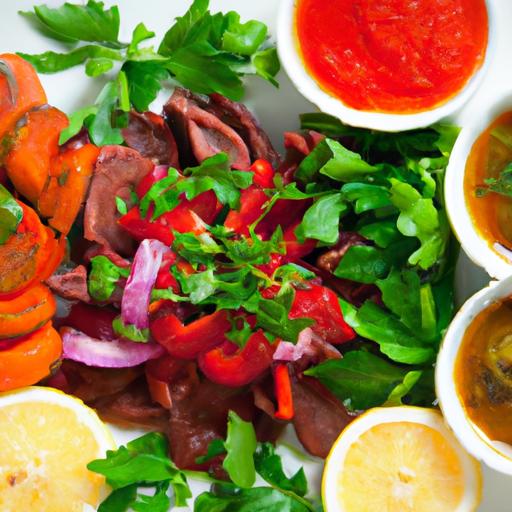

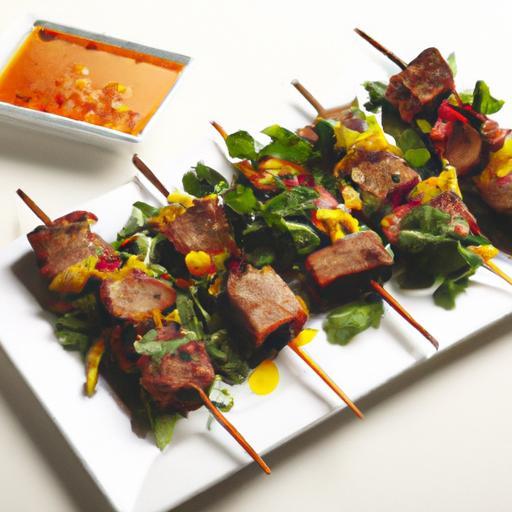
There’s something undeniably captivating about the tender, smoky allure of lamb kebab-a dish that weaves together history, culture, and the simple joy of shared meals. From the bustling street markets of the Middle East to intimate family gatherings around a fire, savoring lamb kebab is more than just tasting food; it’s embarking on a sensory journey through time and tradition.In this article,we will explore the rich origins of lamb kebab,uncover the secrets behind its irresistible flavors,and celebrate the rituals that turn each skewer into a story. Join us as we dive into a culinary experiance where every bite is a festivity of heritage and craftsmanship.
Savoring lamb kebab is an exquisite journey into the heart of culinary tradition, where the magic begins long before the grill heats up. Mastering the art of marination unlocks the secrets behind tender and flavorful lamb that sings with every bite. This dish,beloved across many cultures,carries stories of vibrant bazaars,familial celebrations,and generations of spice mastery. Whether it’s the earthy warmth of Middle Eastern baharat or the fiery notes of Indian garam masala, each marinade transforms humble cuts of lamb into succulent morsels of delight.
Prep and Cook Time
- Preparation: 20 minutes
- Marination: 4 to 6 hours (preferably overnight)
- Cooking: 10 to 15 minutes
- total: Approximately 5 to 6.5 hours including marination
Yield
Serves 4 hungry guests
Difficulty Level
Medium – Perfect for adventurous home cooks eager to explore global flavors with confidence
Ingredients
- 1.5 lbs lamb leg or shoulder, boneless, cut into 1.5-inch cubes
- 3 tbsp plain Greek yogurt
- 2 tbsp extra virgin olive oil
- 3 garlic cloves, finely minced
- 1 tbsp freshly grated ginger
- 1 tbsp lemon juice (freshly squeezed)
- 2 tsp ground cumin
- 1 tsp ground coriander
- 1 tsp smoked paprika
- 1/2 tsp cayenne pepper (adjust to taste)
- 1 tsp sumac or dried lemon zest (for a tangy finish)
- 1 tsp sea salt
- Freshly ground black pepper, to taste
- Fresh chopped parsley or cilantro, for garnish
- Bamboo skewers, soaked in water 30 minutes before grilling
Instructions
- Prepare the marinade: in a large mixing bowl, combine the Greek yogurt, olive oil, minced garlic, ginger, lemon juice, cumin, coriander, smoked paprika, cayenne, sumac, salt, and black pepper. Whisk until all elements blend into a smooth, fragrant paste.
- Marinate the lamb: Add the cubed lamb to the bowl, stirring to coat every piece thoroughly. Cover with plastic wrap and place in the refrigerator for at least 4 hours-ideally overnight-to allow deep flavor penetration and tenderization.
- Preheat the grill: set your grill to medium-high heat.If using charcoal, ensure the coals are glowing red with a light layer of ash. for gas grills, preheat for 10 minutes.
- Thread the lamb cubes onto skewers: Keep pieces compact but not overcrowded to ensure even cooking. alternate with slices of bell pepper or onion for added moisture and flavor, if desired.
- Grill the kebabs: Place skewers on the grill. Cook for 4-5 minutes per side,turning carefully to develop a deep golden crust without charring. Use tongs to avoid piercing the meat, which keeps the juices sealed inside.
- Test for doneness: Lamb kebabs are perfect when still slightly pink inside, yielding juicy tenderness. For those preferring well done, cook an extra minute or two but be cautious to avoid dryness.
- Remove and rest: Transfer kebabs to a warm plate and let them rest for 5 minutes to allow juices to redistribute and settle.
- Garnish and serve: Sprinkle freshly chopped parsley or cilantro over the top, and serve with lemon wedges to brighten the rich flavors.
Tips for Success
- Marination matters: The yogurt acts as a natural tenderizer while the spices infuse distinct aromas. Marinating overnight not only tenderizes the lamb but yields the most intensely flavorful results.
- Choose your lamb wisely: Opt for cuts like shoulder or leg with some marbling, which offer the best balance of tenderness and flavor.
- Skewer safety: Soaking bamboo skewers prevents unwanted burning on the grill and keeps your kebabs intact.
- resting is essential: Never skip the resting period; it ensures every bite stays juicy and tender.
- Vegetable accompaniments: incorporate red onions, cherry tomatoes, or bell peppers for added moisture and vibrant color, enhancing the overall presentation and flavor spectrum.
Serving Suggestions
Present your lamb kebabs atop a bed of fluffy saffron rice or warm, pillowy pita bread. Accompany with a refreshing cucumber-yogurt raita or a zesty tahini sauce for a harmonious balance. A sprinkle of pomegranate seeds adds a jewel-like pop, both visually and texturally. For beverages, mint tea or chilled sparkling water with lemon complements the rich spices perfectly, rounding out a complete dining experience that invites shared conversations and lingering moments.

| Nutrient | Per serving |
|---|---|
| Calories | 310 kcal |
| Protein | 28 g |
| Carbohydrates | 4 g |
| Fat | 20 g |
explore more about traditional spice blends that elevate lamb kebabs to unforgettable heights. For detailed insights on spice origins and their health benefits, consider visiting the Serious Eats spice compendium.
Q&A
Q&A: Savoring Lamb Kebab – A Journey Through Flavor and Tradition
Q1: What makes lamb kebab such a beloved dish across different cultures?
A1: Lamb kebab’s appeal lies in its rich, succulent flavor and the cultural stories it carries. Tender pieces of lamb, marinated with aromatic spices and herbs, are skewered and grilled to perfection, creating a smoky char that tantalizes the senses. Each region adds its unique twist-be it the earthy sumac of the Middle East or the fiery paprika of the Mediterranean-turning a simple skewer into a vibrant tale of tradition and taste.
Q2: How does the marinade influence the flavor of a lamb kebab?
A2: The marinade is the heartbeat of lamb kebab’s flavor. It penetrates the meat, tenderizing and infusing it with depth. Classic marinades frequently enough combine garlic, lemon juice, yogurt, and a blend of warm spices like cumin, coriander, and cinnamon. These ingredients balance the lamb’s natural richness with a hint of acidity and spice, elevating every bite from ordinary to exceptional.
Q3: What traditional cooking techniques are used in preparing lamb kebabs?
A3: Traditionally, lamb kebabs are cooked over open flames or charcoal grills, allowing the meat to sear quickly while retaining its juiciness inside.The high heat caramelizes the marinade’s sugars and spices,creating a crisp,flavorful crust. Skewering the meat ensures even cooking and a perfect char, a method passed down through centuries in communities from Anatolia to the Indian subcontinent.
Q4: Can lamb kebabs be adapted for different dietary preferences without losing their essence?
A4: Absolutely! While lamb is central, variations in seasoning and accompaniments allow for versatile expressions of the dish. For those seeking lighter fare, leaner cuts of lamb or additions like grilled vegetables enhance the kebab’s balance. The soul of the kebab, though, is the marriage of spice, meat, and flame, which remains unmistakable regardless of adaptation.
Q5: What side dishes traditionally accompany lamb kebabs to complete the meal?
A5: Lamb kebabs are frequently enough served alongside vibrant sides that complement their rich flavors-think fluffy saffron rice,herbed flatbreads,or fresh salads dotted with cucumbers and tomatoes. tangy yogurt-based sauces or garlic-infused tahini add cooling contrasts,making each bite a harmonious interplay of taste and texture.Q6: How has the lamb kebab evolved in global cuisine today?
A6: The lamb kebab has journeyed far from its humble origins, inspiring chefs worldwide to experiment with new marinades, cooking methods, and presentations. From street food carts to upscale restaurants, its core principles remain cherished, even as smoky, grilled lamb now finds new life in fusion dishes-from spiced lamb wraps to vibrant kebab bowls-celebrating a timeless tradition with fresh creativity.
Q7: Why is lamb chosen over other meats for kebabs in many traditional recipes?
A7: Lamb offers a unique flavor profile-earthy,slightly gamey,and tender when cooked correctly-that pairs beautifully with the bold spices used in kebabs. Its natural fat content helps keep the meat juicy during grilling, enhancing both texture and taste. In many cultures, lamb also holds symbolic and celebratory significance, making it the meat of choice for festive and communal meals.
Indulging in lamb kebab is more than savoring a meal; it’s experiencing a narrative rich in history, culture, and flavor-a true journey that captivates palate and imagination alike.
To Conclude
As the last succulent bites of lamb kebab melt on your tongue, you carry with you more than just the memory of rich, smoky flavors-you hold a tapestry woven from centuries of tradition, culture, and culinary artistry. Each skewer tells a story of skilled hands, time-honored spices, and communal gatherings under open skies. Savoring lamb kebab is not merely a gastronomic experience; it is an invitation to connect with a heritage that celebrates warmth, hospitality, and the joy of shared meals.So next time you relish this savory delight, remember you are partaking in a flavorful journey that transcends borders and generations-a true feast for the senses and the soul.