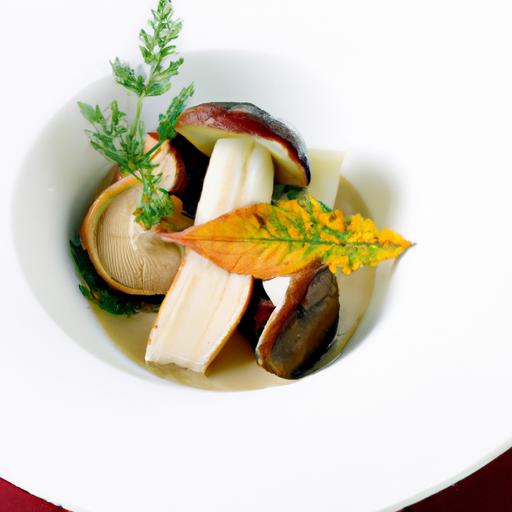

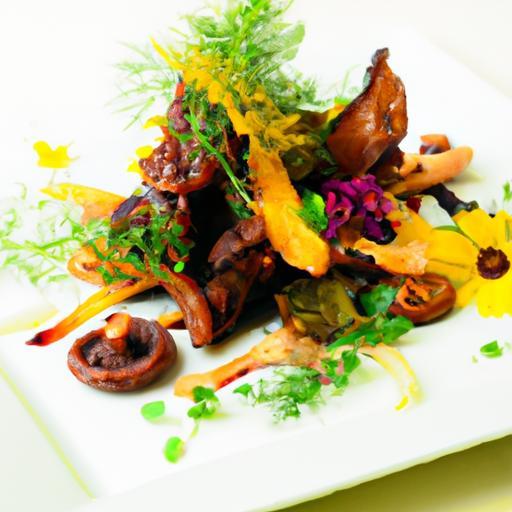
Beneath the forest’s leafy canopy and hidden within the earth’s fertile embrace lies a culinary treasure waiting to be discovered: the humble mushroom. Far from just a simple ingredient, mushrooms offer a complex tapestry of flavors and textures that elevate dishes from ordinary to extraordinary. In “Savor the Earth’s Bounty: Appetizing Mushroom Dishes Unveiled,” we embark on a gastronomic journey that celebrates these engaging fungi-not only as a marvel of nature but as a cornerstone of global cuisine. Join us as we peel back the layers of mushroom lore, explore innovative recipes, and reveal the secrets behind creating mouthwatering dishes that honor the earth’s generous harvest.
Mastering the Art of Mushroom Preparation and Cooking techniques
Savor the Earth’s Bounty: Delicious Mushroom Dishes Unveiled invites you to embark on a flavorful journey through the diverse world of edible mushrooms. From the tender, meaty texture of shiitakes to the delicate, woodsy notes of chanterelles, the magic lies in mastering preparation techniques that accentuate each variety’s unique character.
Prep and Cook Time
- Preparation Time: 15 minutes
- Cooking Time: 20 minutes
Yield
Serves 4 as a main or 6 as a side dish
Difficulty Level
Medium – great for home cooks looking to deepen their mushroom cooking skills
Ingredients
- 500g mixed mushrooms (shiitake,cremini,oyster,and chanterelles),cleaned and sliced
- 3 tbsp extra virgin olive oil
- 2 cloves garlic,finely minced
- 1 small shallot,finely chopped
- 2 tbsp fresh thyme leaves
- 1 tbsp unsalted butter
- Salt and freshly ground black pepper to taste
- 1 tbsp lemon juice,freshly squeezed
- 2 tbsp chopped fresh parsley
Instructions
- Clean your mushrooms gently with a damp cloth or soft brush to remove dirt.Avoid soaking as mushrooms absorb water.
- Heat the extra virgin olive oil and unsalted butter in a large skillet over medium heat until shimmering.
- Add the shallots and garlic, sautéing for about 2 minutes until fragrant and translucent. Stir frequently to prevent burning.
- Introduce the mixed mushrooms to the pan, spreading them evenly. Cook undisturbed for 4-5 minutes until golden brown on one side.
- Stir gently, continue sautéing for another 6-8 minutes until mushrooms are tender and well caramelized.
- Sprinkle the fresh thyme leaves, season with salt and black pepper, and toss gently to combine.
- Remove from heat, drizzle with lemon juice to brighten flavors, and garnish with chopped parsley.
- Serve immediately for the best texture or keep warm covered.
Tips for Success
- For an intensified umami flavor, incorporate a dash of soy sauce or miso paste during the last minute of cooking, making sure not to overpower the mushrooms’ natural taste.
- To avoid soggy mushrooms, always use a hot pan and cook in batches if necessary to maintain proper searing.
- Experiment with texture by adding toasted pine nuts or walnuts at the end for a delightful crunch contrast.
- This dish can be prepared ahead and gently reheated in a skillet; add a splash of vegetable broth or water if the mushrooms seem dry.
- For a vegan alternative, omit butter and increase olive oil slightly or use a plant-based spread.
Serving Suggestions
This mushroom medley is perfect atop a creamy polenta bed or tossed with freshly cooked linguine and a drizzle of truffle oil for an elegant twist. Garnish with shaved Parmesan or a sprinkle of nutritional yeast for a cheesy finish without overpowering the earthy flavors. Serve alongside a fresh arugula salad dressed with lemon vinaigrette to balance richness.

| Nutrient | Per Serving |
|---|---|
| Calories | 150 kcal |
| Protein | 5 g |
| Carbohydrates | 10 g |
| Fat | 9 g |
Pairing Mushrooms with Complementary Ingredients for Maximum Flavor
To truly honor the delicate textures and earthy notes found in mushrooms, combining them with ingredients that enhance and contrast is key. Aromatic herbs like thyme and rosemary bring a fragrant depth, while sharp citrus juice cuts through richness. soft creams, nutty cheeses, or toasted nuts add layers of texture and richness without overwhelming the dish.
For more inspiration, explore our vegan mushroom risotto recipe, which masterfully balances umami and creaminess. When seeking to understand the nutritional benefits and ecological impact of various mushroom varieties, the Harvard School of Public Health’s overview on edible mushrooms is an excellent resource.
Q&A
Q&A: Savor the Earth’s Bounty: Delicious Mushroom Dishes Unveiled
Q1: What makes mushrooms such a prized ingredient in culinary traditions around the world?
A1: mushrooms are nature’s umami treasure-rich in flavor, texture, and nutrition. Their earthy aroma and meaty consistency lend depth to both rustic and refined dishes. Beyond taste, mushrooms are packed with vitamins, minerals, and antioxidants, making them a nourishing choice that connects us to the bounty of the earth.
Q2: How do different types of mushrooms influence the flavor profiles of dishes?
A2: each mushroom variety paints a unique flavor palette. Shiitakes bring a smoky, woodsy note; chanterelles offer a delicate, fruity aroma; porcini boasts a deep, nutty earthiness; and button mushrooms provide a mild, subtle base that harmonizes well with a wide range of ingredients. Choosing the right mushroom is like selecting the perfect brushstroke to complete a culinary masterpiece.
Q3: What are some creative ways to prepare mushrooms beyond basic sautéing?
A3: Mushrooms shine in myriad forms-try roasting them to deepen their savor, marinating for a tangy kick, or incorporating them into hearty stews where they soak up surrounding flavors like sponges. Stuffed mushrooms make elegant appetizers bursting with herbs and cheese, while mushroom ragouts create comforting, layered meals perfect for cozy nights.
Q4: Can mushrooms be used as a meat substitute, and if so, how?
A4: Absolutely! Their dense texture and rich flavor make mushrooms ideal for plant-based dishes that crave something substantial. Finely chopped mushrooms can mimic ground meat’s mouthfeel in burgers, meatballs, or tacos. Portobellos, with their large caps, grill beautifully as burger patties, offering a satisfying, savory bite without needing animal protein.
Q5: How should one store and handle mushrooms to preserve their best qualities?
A5: Mushrooms are delicate gems-best kept cool and dry in a paper bag inside the refrigerator, which helps absorb excess moisture and prevents sliminess. Avoid washing them until just before cooking, as water can impair texture. Gentle wiping with a damp cloth or quick rinsing followed by thorough draining is ideal.Q6: What are some lesser-known mushroom varieties worth exploring for adventurous cooks?
A6: Enoki mushrooms bring a crisp, slightly fruity crunch perfect for salads and stir-fries. Maitake, or “Hen of the Woods,” offers a robust, peppery flavor that enriches broths and sautés. Lion’s Mane dazzles with its seafood-like texture,ideal for replicating crab cakes or adding luxuriance to creamy dishes.
Q7: How do mushrooms contribute to the sustainability and ethics of modern gastronomy?
A7: Mushrooms require minimal resources to cultivate-frequently enough growing on agricultural byproducts-and contribute little environmental waste. Their role as a enduring protein alternative helps reduce dependence on resource-heavy foods. Embracing mushrooms in our diets supports both ecological balance and culinary creativity.
Q8: What is a simple yet unforgettable mushroom dish for beginners to try at home?
A8: A classic garlic and herb sautéed mushroom dish is a perfect starting point. Just gently cook sliced mushrooms with minced garlic, fresh thyme, salt, and pepper in olive oil or butter until golden and fragrant. Serve atop crusty bread or as a side to grains and vegetables for an earthy, comforting delight.
Q9: Can mushrooms enhance desserts or sweet dishes?
A9: While uncommon, mushrooms like dried porcini or chaga can add subtle depth to chocolate-based desserts or spiced syrups, introducing an unexpected earthy note that elevates sweetness. Their rich, umami qualities create complex flavor layers, proving mushrooms are not limited to savory realms.
Q10: How do mushrooms connect us to the seasons and the rhythms of nature?
A10: Foragers and chefs alike celebrate mushroom season as a time of abundance and discovery. Wild mushrooms emerge with the rains and shifting temperatures, reminding us to honor the cycles of growth and decay. Incorporating mushrooms into meals invites mindfulness of the earth’s gifts and the ever-changing tapestry of natural flavors.
To Wrap it Up
As we conclude our culinary journey through the rich and diverse world of mushrooms, it’s clear that these humble fungi offer far more than meets the eye. From earthy, meaty textures to delicate, woodsy aromas, mushrooms invite us to savor the Earth’s bounty in every bite. Whether you’re a seasoned forager or a curious cook, embracing mushroom dishes opens a gateway to flavors that are as nourishing as they are delightful. So next time you seek to elevate your meals with nature’s hidden gems, remember: beneath the forest floor lies a treasure trove waiting to transform your kitchen into a celebration of the Earth’s remarkable gifts. Happy cooking-and even happier tasting!