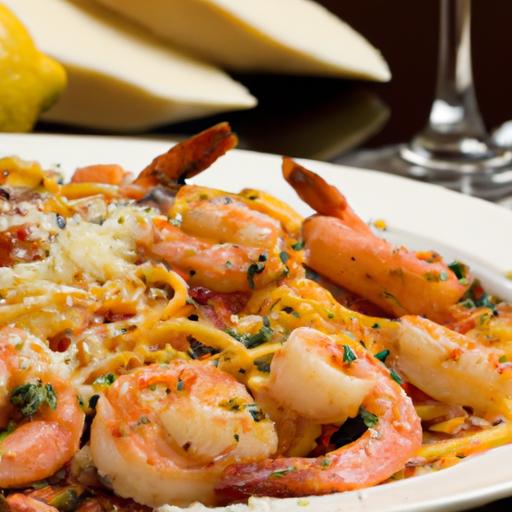

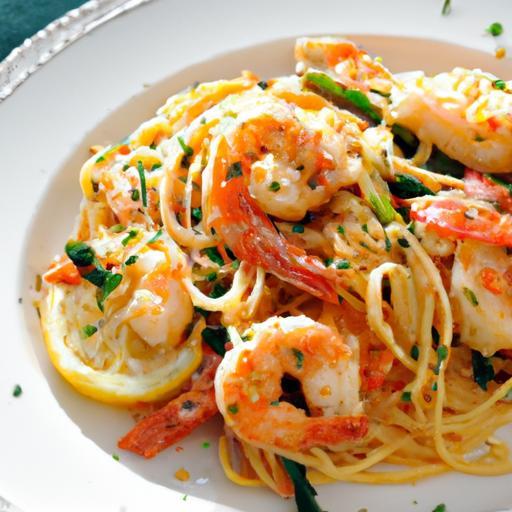
There’s something undeniably magnetic about the marriage of succulent shrimp and tender strands of spaghetti-a culinary duet that dances on the palate with every bite. Whether you’re a seasoned home cook or an adventurous foodie, mastering the art of shrimp spaghetti opens a world of vibrant flavors and textures that elevate a simple meal into a memorable experience.In this guide, we’ll unravel the secrets to achieving perfectly cooked shrimp, harmonizing savory sauces, and creating a dish that’s as delightful to make as it is to savor. Get ready to embark on a flavorful journey that transforms everyday ingredients into an irresistible seafood pasta sensation.
Selecting the Freshest Shrimp for Maximum Flavor
Savor the flavor starts with choosing shrimp that bring ocean-fresh zest to your plate. Opt for shrimp that smell like the sea-clean and briny, never fishy or ammonia-like. When buying fresh shrimp,look for firm,translucent flesh with a slight sheen and intact shells that snap crisp when bent. If frozen shrimp are your only option, select those labeled “wild-caught” and peeled-and-deveined to save prep time, ensuring they’re free from frost or ice crystals that signal freezer burn.
For the fullest flavor and best texture, choose medium to large shrimp (16-20 count per pound). These sizes offer a satisfying bite without overpowering your pasta. Remember to buy shrimp with the shells on if possible; cooking shrimp in their shells locks in moisture and enriches flavor.
Crafting the Ideal Garlic and Herb Sauce to Complement Your Pasta
At the heart of this recipe lies a luscious garlic and herb sauce that entwines perfectly with every strand of pasta and tender bite of shrimp. Begin by gently sautéing freshly minced garlic in high-quality extra virgin olive oil until fragrant and just golden. This base delivers a subtle sweetness that forms a warm backdrop for an orchestra of fresh herbs-think bright flat-leaf parsley, savory thyme, and a whisper of chopped basil. A sprinkle of crushed red pepper flakes introduces a delicate heat, harmonizing beautifully with the mild garlic.
To finish, a generous squeeze of fresh lemon juice awakens the sauce with vibrant acidity and brightness, while a touch of buttery richness (via a knob of unsalted butter) rounds the flavors and gives the sauce a silkiness that clings invitingly to your pasta and shrimp.
Choosing the Perfect Pasta Shape for a Balanced Bite
For shrimp dishes that spotlight both sauce and seafood, the pasta shape is essential for harmony on the palate. The traditional choice is spaghetti,its smooth,long ribbons offering a graceful vehicle for the garlicky herb sauce without overpowering the shrimp. Spaghetti’s slender profile manages to collect just enough sauce, allowing every forkful to be a balanced medley of flavors.
Alternatively, consider linguine for a subtle texture variation that pairs equally well. Avoid overly thick or hollow pastas; shapes like penne or rigatoni tend to hold sauce in their crevices, which might overshadow the delicate shrimp and subtle herb nuances. The key is mindful pairing to maintain equilibrium between shrimp, sauce, and pasta.
Tips for Achieving the Perfect Al Dente Texture Every Time
Cooking pasta al dente ensures the right amount of bite and chew that lively shrimp dishes crave. Begin by choosing a large, deep pot and filling it generously with water-about 4 to 6 quarts per pound of pasta-and bring it to a vigorous boil. Season the water well with at least 1 tablespoon of coarse kosher salt; this is your chance to flavor the pasta from within, enhancing every strand.
Once the pasta hits the water, stir instantly to prevent sticking. Follow package timing closely, starting your countdown the moment the pasta goes in. Taste-test a strand about two minutes prior to the recommended cook time; it should be tender with a slight firm “bite” in the center. Remember: pasta will continue to cook slightly when tossed in the hot sauce, so remove from boiling water just before you reach perfect al dente.
Drain quickly but do not rinse-the surface starch helps the sauce adhere beautifully to every strand, uniting the dish harmoniously.
Prep and Cook Time
- Prep Time: 15 minutes
- Cook Time: 15 minutes
- Total Time: 30 minutes
Yield
Serves 4 generous portions
Difficulty Level
Medium – Ideal for home cooks eager to elevate their seafood pasta skills
Ingredients
- 1 lb fresh shrimp,peeled and deveined (tails on for presentation)
- 12 oz spaghetti (or linguine,if preferred)
- 4 tbsp extra virgin olive oil
- 5 cloves garlic,minced
- 2 tbsp fresh parsley,finely chopped
- 1 tsp fresh thyme leaves
- 1 tsp crushed red pepper flakes
- 2 tbsp unsalted butter
- juice of 1 lemon
- Salt and freshly ground black pepper,to taste
Instructions
- Prepare the shrimp: Pat shrimp dry with paper towels to ensure proper searing. Season lightly with salt and pepper.
- Cook pasta: Bring a large pot of salted water to a boil. Add spaghetti and cook until slightly under al dente (about 1-2 minutes less than package directions). Reserve ½ cup pasta water and drain.
- Sauté garlic and herbs: In a large skillet, heat olive oil over medium heat. Add the minced garlic and cook until fragrant and slightly golden, about 1-2 minutes.Stir in thyme and red pepper flakes.
- Cook shrimp: Increase heat to medium-high and add shrimp in a single layer. Sauté for 2-3 minutes per side until pink and opaque, turning once. Avoid overcrowding the pan.
- Build the sauce: Lower heat to medium,add butter and lemon juice to the skillet. Stir until butter melts and sauce is emulsified.
- combine pasta and sauce: Add drained spaghetti to the skillet, tossing to coat. If the sauce is too thick, add reserved pasta water a tablespoon at a time until silky and cohesive.
- Add final herbs and season: Stir in fresh parsley, adjust salt and pepper to taste. Toss gently one last time before plating.
Chef’s Notes
- For an extra layer of flavor, add a few tablespoons of chopped sun-dried tomatoes along with the herbs.
- Use deveined shrimp with tails on for a dramatic presentation and ease of eating.
- If fresh herbs are unavailable, 1 teaspoon dried thyme and 1 tablespoon dried parsley can be substituted; add early with garlic to release flavors.
- To make ahead: Cook pasta ahead but keep undercooked by 2 minutes; refrigerate shrimp separately. Reheat shrimp gently in sauce and finish the dish right before serving.
- Want to boost the texture? Toasted pine nuts sprinkled on top add delightful crunch.
Serving Suggestions
Plate the shrimp spaghetti in shallow bowls for a rustic feel. Garnish with a sprig of fresh parsley and a thin lemon wheel or zest curls for color and citrus aroma.Drizzle an extra splash of good quality olive oil and a pinch of flaky sea salt just before serving.
This dish pairs beautifully with a crisp cucumber salad or lightly dressed arugula to balance richness with freshness.For a satisfying meal, serve warm garlic bread on the side, perfect for mopping up every luscious drop of the garlic herb sauce.
| Nutrition | Per Serving |
|---|---|
| calories | 420 kcal |
| Protein | 38 g |
| Carbohydrates | 45 g |
| Fat | 10 g |

Explore more seafood pasta inspiration in our Ultimate Seafood Pasta Recipes collection. For tips on selecting quality shrimp, visit the Seafood Nutrition partnership.
Q&A
Savor the Flavor: A Guide to Perfect Shrimp Spaghetti – Q&A
Q1: What makes shrimp spaghetti such a beloved dish?
A1: Shrimp spaghetti is a harmonious blend of tender pasta and succulent seafood, creating a dish that’s both comforting and elegant. The natural sweetness of shrimp pairs beautifully with aromatic herbs and savory sauces, delivering a flavor-packed experience that’s rapid to prepare and satisfying to the soul.
Q2: how do I choose the best shrimp for cooking spaghetti?
A2: Freshness is key! Look for shrimp that are firm, translucent, and have a mild, ocean-like scent. Opt for medium to large shrimp, peeled and deveined for ease, but if you prefer, leaving tails on can add flavor and visual appeal.
Q3: What type of pasta works best for shrimp spaghetti?
A3: Classic spaghetti is the obvious choice, but feel free to experiment with linguine or fettuccine for a slightly different texture. The long, slender strands hold delicate sauces beautifully, ensuring every bite is coated and flavorful.
Q4: Which cooking techniques enhance the shrimp flavor without overpowering it?
A4: Sautéing shrimp gently in olive oil with garlic and a pinch of chili flakes brings out their natural sweetness while adding depth. Avoid overcooking to maintain their juicy texture-shrimp turn pink and opaque in just a few minutes. Finishing with fresh herbs and a hint of citrus elevates the dish without overshadowing the shrimp’s delicate taste.
Q5: Can I make a shrimp spaghetti that’s gluten-free and still appetizing?
A5: Absolutely! substitute traditional spaghetti with gluten-free pasta made from rice, corn, or legumes. These alternatives absorb flavors well and offer a similar comforting bite. Pair with a light, olive oil-based sauce to keep the dish fresh and vibrant.
Q6: What are some creative ways to add layers of flavor without heavy cream or butter?
A6: Incorporate sun-dried tomatoes for a tangy punch or toss in black olives for briny complexity. A splash of fresh lemon juice or zest adds brightness, while herbs like basil, parsley, or tarragon lend aromatic notes that boost the overall flavor profile without heaviness.
Q7: How can I prepare shrimp spaghetti ahead of time without losing its freshness?
A7: Cook the pasta al dente and store separately from the shrimp and sauce. Prepare the shrimp just before serving and toss everything together at the last moment. This technique keeps the shrimp tender and the pasta from becoming mushy,preserving a restaurant-quality finish.
Q8: What side dishes complement shrimp spaghetti perfectly?
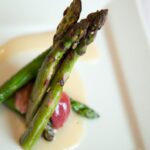
A8: Crisp green salads with lemon vinaigrette or roasted vegetables like asparagus or cherry tomatoes provide refreshing balance. Garlic bread or crusty artisan bread works well to soak up the flavorful sauce, making the meal complete.
Q9: Is it possible to make shrimp spaghetti spicier without overwhelming the dish?
A9: Yes! Adding a pinch of red chili flakes or a dash of smoked paprika during the shrimp sauté imparts gentle heat. Fresh chili slices can also be stirred in sparingly for an extra kick that complements rather than dominates the sweet shrimp flavor.
Q10: What’s the secret to achieving a perfectly saucy shrimp spaghetti?
A10: The key lies in layering flavors-start by gently sautéing garlic and shrimp, deglaze the pan with a splash of seafood stock or lemon juice, then toss in the pasta while adding reserved pasta water gradually. The starch in the water binds the sauce to the noodles, creating a silky, cohesive dish that clings lovingly to every strand.
Key Takeaways
As you twirl the last strands of shrimp spaghetti around your fork, savoring the harmonious blend of succulent seafood and savory sauce, you’ll realize that this dish is more than just a meal-it’s an experience. Perfecting shrimp spaghetti isn’t merely about following a recipe; it’s about understanding the dance of flavors and textures that come together to create culinary magic. Whether you’re a seasoned chef or a kitchen novice, this guide empowers you to bring a touch of coastal elegance to your table. So next time you crave a dish that’s both comforting and sophisticated, remember: the secret is in the balance, the freshness, and above all, the joy of cooking with intention. Bon appétit!