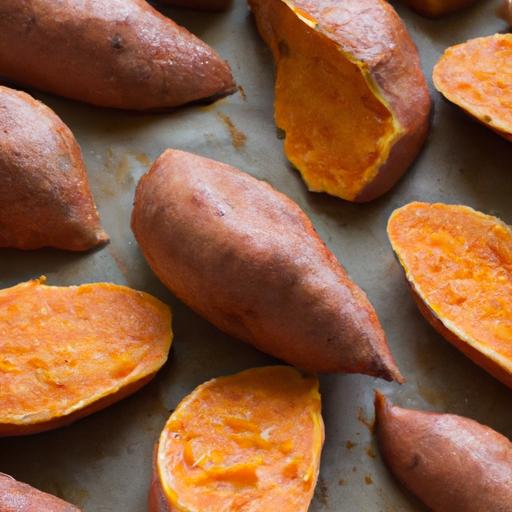

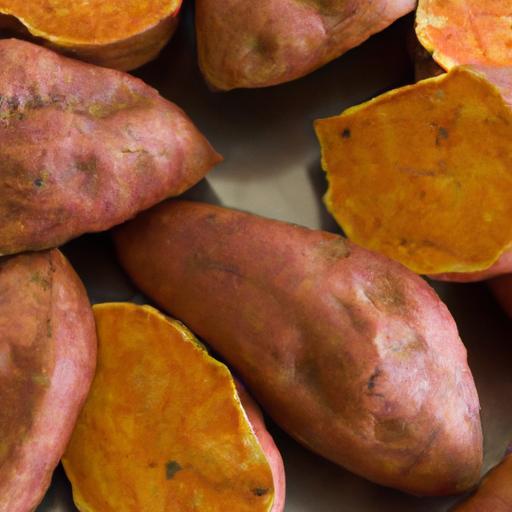
There’s something irresistibly comforting about the humble sweet potato-its natural sweetness intensified by the oven’s warm embrace, its skin crackling to perfection while the flesh turns tender and buttery. But achieving that flawless balance of caramelized edges and melt-in-your-mouth softness isn’t just a matter of throwing it in the oven. Timing,especially at the magic temperature of 400°F,holds the key to unlocking the perfect bake every time. In this article,we dive into the science and subtle art behind baking sweet potatoes just right,ensuring you never settle for anything less than golden,luscious perfection.
Perfectly baked sweet potatoes at 400°F are the cornerstone of cozy meals that sing with natural sweetness and a luscious,tender texture. Understanding the science behind baking sweet potatoes transforms a simple dish into a culinary masterpiece-revealing why the right temperature and preparation yield a perfectly caramelized skin and moist interior every time. Whether you’re roasting a small batch for a weekday dinner or prepping larger roots for a holiday feast, mastering this technique promises consistently delicious results that elevate the humble sweet potato to star status.
Prep and Cook Time
- Preparation Time: 10 minutes
- Cooking Time: 45-60 minutes depending on size and variety
Yield
Serves 4 medium-sized sweet potatoes
Difficulty Level
Easy - Ideal for home cooks of all skill levels
Ingredients
- 4 medium sweet potatoes (about 6-8 oz each, ideally similar sizes)
- 2 tablespoons olive oil (optional, for crisper skins)
- Sea salt (to taste, optional)
Instructions
- Preheat your oven to 400°F. This temperature perfectly balances Maillard reactions that develop sweetness and browning without drying the flesh.
- Choose sweet potatoes of uniform size. Selecting roots about 6-8 ounces ensures even heat penetration and prevents undercooked centers or burnt edges.Larger potatoes require longer bake times, so keep size consistent when baking a batch.
- Wash and dry the sweet potatoes thoroughly. Removing dirt prevents unwanted grit and helps the skin crisp. For an extra touch of crunch, prick each potato with a fork 3-4 times to release steam and avoid ruptures.
- Lightly coat each sweet potato with olive oil and sprinkle with sea salt, if desired. This step enhances the flavour and creates a beautifully blistered skin.
- Place the sweet potatoes directly on the oven rack with a baking sheet below to catch drips. This setup promotes even air circulation for consistent baking.
- Bake for 45-60 minutes, depending on size and variety. Smaller or thinner sweet potatoes typically take closer to 45 minutes; larger, denser varieties may require up to an hour.
- To test doneness, insert a skewer or sharp knife into the thickest part.It should slide in with little resistance. If it encounters resistance or firmness, continue baking in 5-minute increments.
- Remove from oven and let rest for 5 minutes. This allows residual heat to finish the cooking and the sugars to settle, enhancing that signature tender sweetness.
Tips to Test for perfect Doneness Without Guesswork
Rather of relying solely on time, determine the precise moment your sweet potatoes are done by testing with a fork or skewer. For a foolproof check, look for the flesh to feel soft but not mushy and to pull apart easily when pierced. Another subtle technique involves gently squeezing the potato with an oven mitt; it should yield slightly under pressure, signaling optimal tenderness. Remember, even at 400°F, environmental factors like root size and oven variance will impact cooking time-practice and observation make perfect.
Chef’s Notes: Optimal Size and Preparation Techniques
- Variety matters: Beauregard and Jewel sweet potatoes tend to bake faster due to their moist, orange flesh, whereas garnet or Japanese varieties may take longer because of denser, drier interiors.
- Uniformity is key: When baking multiple sweet potatoes, sorting by size avoids uneven doneness and ensures every bite is tender.
- Preparation shortcuts: For a quicker option, microwave sweet potatoes for 5-7 minutes before finishing in the oven at 400°F for 15 minutes-this retains flavor without sacrificing texture.
- Storage tip: Baked sweet potatoes keep well in the refrigerator for up to 4 days-simply reheat in the oven at 375°F wrapped in foil for moist warmth.
Serving Suggestions
Split your perfectly baked sweet potatoes open and fluff the flesh with a fork to create a cozy canvas. Top with a dollop of creamy greek yogurt, a sprinkle of toasted pecans, and a drizzle of local honey for a balance of creamy, crunchy, and sweet elements. savory lovers can add a pat of herb butter, a pinch of smoked paprika, or a side of sautéed greens. Garnish with finely chopped fresh herbs like parsley or chives for a pop of color and freshness. The natural golden glow of the flesh paired with a crisp,slightly charred skin makes the dish both visually inviting and irresistibly tasty.
nutritional Facts (per medium sweet potato)
| Calories | Protein | Carbohydrates | fat |
|---|---|---|---|
| 112 | 2g | 26g | 0.1g |

For more on roasting root vegetables and bringing out their natural sugars, see our Complete Guide to Roasted Root Vegetables. To deepen your knowledge on the chemistry of baking, visit Scientific American’s exploration of baking science.
Q&A
Q&A: Perfectly Baked Sweet Potatoes - Timing at 400°F Explained
Q1: Why bake sweet potatoes specifically at 400°F?
A1: Baking sweet potatoes at 400°F strikes the perfect balance between a tender, fluffy interior and a caramelized, slightly crisp skin. This temperature is hot enough to break down the natural starches quickly, enhancing their natural sweetness without drying them out.
Q2: How long should sweet potatoes bake at 400°F for ideal softness?
A2: For medium-sized sweet potatoes (about 6-8 ounces each), 45 to 60 minutes is ideal. This range ensures the potatoes are soft all the way through but still maintain their shape and a delightful texture. Larger potatoes may need closer to 70 minutes.
Q3: Does the size or shape of the sweet potato affect baking time?
A3: Absolutely! Thicker, denser sweet potatoes require more time to cook through, while thinner or smaller ones bake faster. If time is tight, consider cutting sweet potatoes in halves or cubes to accelerate cooking, though this changes texture slightly.
Q4: Is it necessary to wrap sweet potatoes in foil when baking at 400°F?
A4: Wrapping in foil is optional. Foil traps steam, making the skin softer and the inside moister, but it prevents that slightly crisp, roasted skin manny crave. Baking without foil at 400°F allows for a nicely caramelized exterior.
Q5: How can I test if the sweet potato is perfectly baked?
A5: The best test is to insert a fork or skewer into the thickest part. It should slide in easily with little resistance. If the center feels firm or tough, it needs more time. Another sign is the skin gently wrinkling and pulling away from the flesh.
Q6: Can I speed up baking sweet potatoes at 400°F?
A6: To speed things up while maintaining flavor, pierce the skin several times to release steam or preheat the potatoes by microwaving for 3-5 minutes before transferring to the oven.Keep in mind this might slightly alter the texture but saves precious time.
Q7: What’s the best way to prepare sweet potatoes before baking?
A7: Simply give them a thorough rinse and dry.Piercing the skin a few times helps steam escape, preventing bursting. For an added touch,rub the skin with a little oil and a sprinkle of salt before baking to enhance crispness and flavor.
Q8: Why do some sweet potatoes cook unevenly at 400°F?
A8: Uneven cooking often comes from inconsistent potato sizes or uneven oven heat distribution. To tackle this,choose potatoes of similar size and place them evenly spaced on the baking sheet,ideally rotating halfway through baking for uniform heat exposure.
Q9: Can I batch-bake sweet potatoes at 400°F?
A9: Definitely! Baking several sweet potatoes concurrently is efficient, but keep in mind that crowded pans can lower oven temperature locally and increase cooking time. use a spacious rack and check doneness regularly.
Q10: what happens if I bake sweet potatoes longer than an hour at 400°F?
A10: Extended baking leads to a deeper caramelization and even sweeter flavor, but be cautious-overbaking can dry out the flesh and toughen the skin. if you love intensely roasted notes, keep an eye near the 60-minute mark to avoid turning them into shriveled morsels!
Wrapping Up
Mastering the art of perfectly baked sweet potatoes at 400°F is less about guesswork and more about understanding the delicate dance between temperature and time. With these insights, your sweet potatoes will emerge tender, caramelized, and bursting with natural sweetness every single time. so next time you preheat that oven, remember: patience, precision, and a little science are your best ingredients for baking success. Happy roasting!