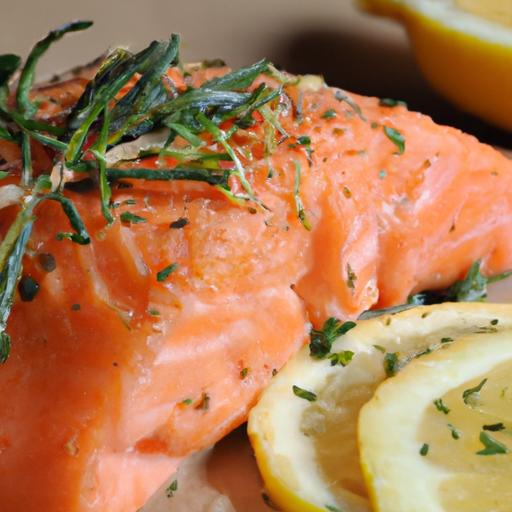

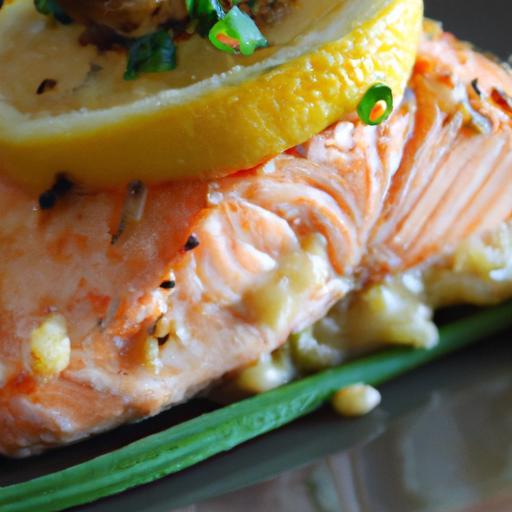
There’s something undeniably magical about a flawlessly cooked piece of salmon-its tender flakes parting effortlessly with each forkful, releasing a burst of rich, buttery flavor that dances on the palate.Yet, achieving that perfect balance between moistness and just-right doneness often feels like chasing a culinary mirage. Enter the art of oven-baking: a simple, reliable method that, when mastered, transforms humble salmon fillets into mouthwatering masterpieces. In this article,we’ll unveil the oven-baked salmon secrets that promise perfectly flaky results every time,unveiling tips,techniques,and insider tricks that elevate your fish from ordinary to exceptional. Whether you’re a seasoned cook or a kitchen novice, prepare to discover the science and simplicity behind the salmon success story.
Oven-baked salmon secrets come alive when you understand how to select the perfect cut and master the art of temperature and timing. This knowledge transforms a simple fillet into a succulent, flaky masterpiece that feels like a lovingly crafted dish at your favorite seafood bistro.
Choosing the right cut impacts the texture and flavor in ways many overlook. Whether you opt for a thick, center-cut fillet, an elegant salmon steak, or tender portions with skin-on, each offers a unique baking experience. Embracing the ideal cut means beginning with fresh, sustainably sourced salmon, preferably wild-caught for that rich, buttery flavor.
Prep and Cook Time
- Preparation: 10 minutes
- Cooking: 12-15 minutes
- Total time: 25 minutes
Yield
serves 4 perfectly portioned salmon fillets.
Difficulty Level
Easy – ideal even for first-time bakers aiming for restaurant-quality results.
Ingredients
- 4 center-cut salmon fillets (6 oz each), skin on, pin bones removed
- 2 tablespoons olive oil
- 1 teaspoon sea salt
- ½ teaspoon freshly ground black pepper
- 1 teaspoon smoked paprika
- 2 cloves garlic, minced
- 1 lemon, zested and juiced
- 2 tablespoons fresh dill, chopped (or 1 tablespoon dried)
- Optional: 1 teaspoon honey or maple syrup for a subtle glaze
Instructions
- Preheat your oven to 400°F (200°C). Line a baking sheet with parchment paper or lightly grease it to prevent sticking.
- Pat the salmon fillets dry with paper towels-this is crucial for achieving crispy skin and flaky flesh.
- In a small bowl, combine olive oil, sea salt, black pepper, smoked paprika, minced garlic, lemon zest, lemon juice, chopped dill, and honey if using. Mix until well blended.
- Brush the seasoning mix generously over the salmon fillets, ensuring even coverage on both skin and flesh sides.
- Place the salmon fillets skin-side down on the prepared baking sheet, spacing them evenly.
- Bake in the preheated oven for about 12-15 minutes,depending on the thickness-aim for the salmon to feel just firm and slightly translucent in the middle. A good rule: 4-6 minutes per half-inch of thickness.
- For skin crispiness, during the last 2 minutes, switch the oven to broil and watch carefully to avoid burning. This short blast will render the skin golden and crunchy, sealing moisture inside.
- Remove from oven and let rest for 3-4 minutes. This step allows the heat to redistribute, resulting in ultimate flakiness.
- Serve instantly with your favorite sides and a sprinkle of fresh herbs for a vibrant finish.
Tips for Success
- cut choice matters: Center-cut fillets bake moast evenly, while steaks offer more structural integrity and flavor variation.
- Temperature precision: Baking too hot can dry the salmon; too low leaves it rubbery. Sticking close to 400°F ensures the flesh flakes beautifully without overcooking.
- Handle skin with care: Thoroughly drying the skin and using a hot broil at the end creates that irresistible crispiness without sacrificing moistness.
- Flavor versatility: Experiment with fresh herbs like thyme or oregano, or swap lemon for yuzu or lime to add a twist.
- Make ahead: Prepare the marinade up to 24 hours prior and refrigerate the fillets immersed to deepen flavor and tenderize slightly.
- Don’t skip resting: Letting salmon rest after baking prevents juices from spilling out and keeps each bite moist.
- Pin bones: Always check for and remove pin bones; a pair of tweezers works perfectly for this!
Serving Suggestions
Plate your baked salmon atop a bed of silky mashed potatoes, roasted seasonal vegetables, or a vibrant quinoa salad. Garnish with thin slices of lemon,an extra sprinkle of fresh dill,and a light drizzle of high-quality olive oil for an elegant touch. Pair with a crisp, citrusy sparkling water or herbal iced tea to complement the rich flavors.
| Nutrient | Per Serving |
|---|---|
| calories | 350 kcal |
| Protein | 34 g |
| Carbohydrates | 2 g |
| Fat | 22 g |
Discover more delectable fish recipes in our complete seafood recipe guide for fresh inspiration. For science-backed tips on fish cooking techniques, the Serious Eats Salmon Guide is an exceptional resource offering expert advice and additional tricks for perfection.

Q&A
Oven-Baked Salmon Secrets: Perfectly Flaky Every time – Q&A
Q1: What’s the single most crucial step to achieve perfectly flaky salmon in the oven?
A1: Patting the salmon dry before seasoning is key. Removing excess moisture ensures the fish roasts rather than steams, giving you that tender, flaky texture every time.
Q2: At what temperature should I bake salmon for the ideal balance of crispness and juiciness?
A2: Baking salmon at 375°F (190°C) strikes the perfect balance. It’s hot enough to create a lightly crisp exterior while gently cooking the flesh to stay moist and flaky.
Q3: Should I bake salmon skin-side up or down?
A3: Bake it skin-side down. The skin acts as a natural barrier, protecting the delicate flesh from direct heat and preserving moisture.Plus,it crisps up nicely if you like to enjoy that texture.
Q4: How long does it typically take to bake salmon fillets?
A4: Thickness matters! A general rule is 10 minutes per inch of thickness,but it’s wise to check a few minutes early. Overcooking dries out salmon, so aim for just opaque and easily flaked.
Q5: can I use any kind of seasoning or marinade for oven-baked salmon?
A5: Absolutely! Simple works wonders – think lemon zest,garlic,fresh herbs like dill or parsley,and a drizzle of olive oil. These highlight the fish’s natural flavors without overpowering them.
Q6: Is it better to bake salmon covered or uncovered?
A6: Uncovered baking encourages slight browning and a pleasant crust. If you prefer a more steamed,delicate texture,covering loosely with foil works-but you might lose some of that golden charm.
Q7: What’s a go-to method for checking if salmon is done?
A7: Use a fork to gently test flakiness at the thickest part. When the flesh flakes easily and looks opaque rather of translucent, your salmon is perfectly cooked.
Q8: Can I prepare salmon ahead of time for baking later?
A8: Yes! Marinade or season your salmon and keep it refrigerated for up to 24 hours. Just bring it to room temperature before baking to ensure even cooking.
Q9: How can I add moisture to salmon without making it soggy?
A9: A light brush of olive oil or a thin layer of mustard or yogurt-based marinade maintains moisture without sogginess, enhancing both flavor and texture.
Q10: What side dishes complement oven-baked salmon best?
A10: Think fresh and vibrant-roasted asparagus,garlic sautéed spinach,or a citrusy quinoa salad create a colorful,nutritious plate that complements the salmon’s richness perfectly.
Feel inspired to bake your next salmon dish with confidence-these secrets guarantee that flaky, flavorful delight every time!
In Retrospect
Mastering the art of oven-baked salmon transforms a simple meal into a culinary delight-each flaky, tender bite a testament to technique and care. With these secrets in hand, you’re no longer just cooking fish; you’re crafting an experience that honors the natural richness of salmon while elevating your kitchen confidence. So next time you preheat that oven, remember: perfection is not just a goal, but a flavorful journey waiting to unfold with every perfectly baked fillet. Happy cooking!