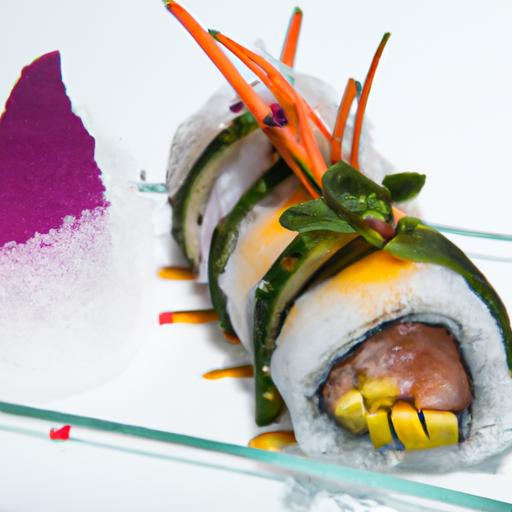

in the delicate dance of flavors and textures that define Japanese cuisine, few dishes capture the imagination quite like nigiri. This classic sushi bite-an artful morsel of vinegared rice crowned with fresh fish or seafood-embodies centuries of tradition, technique, and cultural storytelling.”Nigiri Unwrapped: The Art and History Behind Sushi’s Classic Bite” invites you on a journey beyond the plate, exploring how this simple yet elegant creation evolved from humble beginnings into a beloved global delicacy. From the ancient origins of sushi preservation to the meticulous craftsmanship handed down through generations, discover how nigiri remains a living testament to the harmony of taste, skill, and history wrapped in each perfect bite.
Nigiri Unwrapped offers more than just a glimpse into sushi’s classic bite; it unlocks centuries of culinary evolution and artistry. Rooted in Edo-period Japan as a fast, elegant street food, nigiri’s journey reflects a beautiful harmony between texture, freshness, and meticulous craftsmanship. From hand-pressed sushi rice to pristine slices of fish, mastering nigiri is an invitation to honor tradition while celebrating the sensory delight it delivers in every bite.
Prep and Cook Time
- Readiness: 30 minutes
- Assembly: 20 minutes
- total time: 50 minutes
Yield
Serves 4 (approximately 16 pieces)
Difficulty Level
Medium – Perfect for passionate home cooks eager to refine their sushi skills
ingredients
- 2 cups Japanese short-grain sushi rice,rinsed untill water runs clear
- 2 ¼ cups water (for cooking rice)
- 1/3 cup rice vinegar
- 3 tbsp sugar
- 1 tsp sea salt
- Fresh fish selection (e.g., 150g sashimi-grade salmon, 150g tuna, 150g yellowtail), thinly sliced
- Bamboo rolling mat (optional, for rice shaping practice)
- Fresh wasabi or wasabi paste, to taste
- Soy sauce, for dipping
- Pickled ginger, as palate cleanser
- Optional garnish: thinly sliced scallions, shiso leaves, or toasted sesame seeds
Instructions
- Cook the rice: Place rinsed sushi rice and water in a rice cooker or heavy-bottomed pot. Let soak for 30 minutes before cooking. Cook rice until tender and let rest for 10 minutes, covered, off the heat.
- Prepare sushi vinegar: Combine rice vinegar, sugar, and sea salt in a small saucepan over low heat. Stir until sugar and salt dissolve, then cool fully.
- Season the rice: Transfer cooked rice to a wooden or plastic bowl. Gently fold in sushi vinegar with a cutting motion,fanning the rice to cool it quickly and achieve glossy grains.
- Shape the nigiri rice: Keep your hands moist with a mixture of cold water and a small dash of rice vinegar to prevent sticking. Pinch 20-gram portions of rice, then gently mold into an oval shape.
- Prepare fish slices: using a very sharp knife, slice fish crosswise at a 45-degree angle into thin, approximately 2.5 x 5 cm slices. Aim for a delicate, translucent appearance for best texture.
- Assemble nigiri: Dab a tiny amount of wasabi on one side of the fish slice. Place the fish, wasabi side down, across each rice oval. For beginners, use your thumb and frist two fingers to gently clasp fish and rice together without compressing too tightly.
- Finalize and serve: Arrange nigiri on a chilled platter. Garnish with shiso leaves or scallions if desired. Serve with soy sauce, pickled ginger, and more wasabi on the side.
Chef’s Notes: Tips for Success
- Rice Quality: Using authentic Japanese sushi rice is crucial. Avoid long-grain rice as it lacks stickiness.
- Temperature Matters: Rice should be warm but not hot when shaping, and fish must be chilled but not icy.
- Knife Skills: Use a sharp, non-serrated knife. Wetting the blade before slicing fish helps prevent tearing.
- Hands Preparation: Keep a small bowl of cold water mixed with rice vinegar nearby to keep hands moist and prevent rice from sticking.
- Variations: For vegetarian alternatives, consider shiitake mushrooms or lightly grilled eggplant sliced thinly.
- Advance Prep: Sushi rice is best freshly made, but seasoned rice can be held at room temperature, covered with a damp cloth, for up to 2 hours.
Serving Suggestions
Present your nigiri on a minimalist, elegant plate with contrasting colors-dark slate or bamboo trays work beautifully. Lightly brush fish slices with soy sauce or ponzu for an eye-catching sheen. Pair with vibrant pickled ginger and a dollop of bright green wasabi for authenticity. Sprinkle toasted sesame seeds or microgreens for a delicate pop of texture and color.
Complete your experience by serving chilled sake such as a Junmai Ginjo or a crisp cold Daiginjo to enhance the natural flavors of the fish and rice.
| Nutrition per Serving (4 Pieces) | Amount |
|---|---|
| Calories | 180 kcal |
| Protein | 12 g |
| Carbohydrates | 28 g |
| Fat | 2 g |

For those inspired to deepen their sushi journey, be sure to explore our article on Maki Rolls Techniques: From Seaweed to Sushi Perfection for complementary skills and creative sushi variations.
Q&A
Q&A: Nigiri Unwrapped: The Art and History Behind Sushi’s Classic Bite
Q1: What exactly is nigiri, and how did it originate?
A1: Nigiri is a traditional style of sushi consisting of hand-pressed vinegared rice topped with a slice of fresh fish or seafood. Its origins trace back to Edo-period Japan (early 19th century), where street vendors crafted speedy, handheld bites to suit the bustling life of Tokyo (then edo). This simple yet elegant form of sushi revolutionized dining by emphasizing fresh ingredients and balance.
Q2: How does nigiri differ from other types of sushi?
A2: Unlike maki rolls, which wrap rice and fillings in seaweed, or sashimi, which serves raw fish alone, nigiri focuses on the harmony between delicately shaped rice and a thoughtfully selected topping. It’s a minimalist masterpiece where texture and flavor play center stage, each bite crafted with precision to highlight the main ingredient.
Q3: What makes the rice in nigiri so special?
A3: Sushi rice, or shari, is carefully cooked short-grain rice seasoned with a blend of rice vinegar, sugar, and salt. The resulting balance of sweet, salty, and tangy notes elevates the topping’s flavor. Mastering the rice’s texture-sticky yet light-is an art form in itself, crucial for the perfect nigiri experience.
Q4: Which toppings are most traditionally used on nigiri?
A4: classic nigiri toppings often include cuts of fatty tuna (maguro), salmon (sake), shrimp (ebi), sea urchin (uni), and squid (ika).Each ingredient brings its own unique flavor and texture, making nigiri a versatile canvas for the seasons and regions.
Q5: How is nigiri typically seasoned or garnished?
A5: while a dab of wasabi is frequently enough tucked between the rice and the fish to add a gentle heat, some chefs brush the topping with soy-based sauces or finish it with a sprinkle of sea salt, yuzu zest, or thinly sliced green onions to enhance the natural flavors. These subtle touches underscore the Japanese philosophy of enhancing, not overpowering.
Q6: What skills are essential for a chef to craft perfect nigiri?
A6: Beyond sourcing the freshest seafood, a chef must master the delicate technique of shaping rice by hand without crushing the grains, carving fish into uniform slices, and timing the presentation so that the nigiri reaches the diner at its freshest. It’s a dance of dexterity, timing, and respect for ingredients.Q7: How has nigiri evolved in modern cuisine?
A7: While steeped in tradition, nigiri has welcomed creative interpretations worldwide-from incorporating nontraditional toppings like avocado or seared vegetables to using choice seasonings.Yet, whether classic or contemporary, the essence remains: balance, simplicity, and reverence for fresh ingredients.
Q8: Why is nigiri considered a cultural symbol beyond just food?
A8: Nigiri exemplifies Japanese minimalism, precision, and respect for nature’s gifts, embodying centuries of culinary heritage and philosophy. It encourages mindful eating, connecting diners to the seasons and the craft of the chef, making each bite a bridge between history and present-day appreciation.
This Q&A sheds light on the artistry and rich history behind nigiri, inviting readers to savor not just the taste but the story of sushi’s timeless classic.
in summary
From its humble origins as a simple street food in Edo to its revered status on modern-day sushi counters worldwide, nigiri embodies more than just a bite of rice and fish-it tells a story steeped in tradition, craftsmanship, and cultural nuance. As you unwrap the layers of nigiri’s history and artistry, you begin to appreciate the delicate balance of flavors and the skillful hands that bring this classic sushi to life. Next time you savor that perfectly pressed morsel, remember: your not just tasting a dish-you’re experiencing a piece of culinary heritage meticulously crafted through centuries. In the world of sushi, nigiri remains an unwrapped masterpiece, inviting both novices and connoisseurs alike to discover its timeless allure.