
In the shadowy corners of forests and beneath the damp canopy of ancient woodlands, an extraordinary kingdom thrives-one that defies easy description and sparks curiosity with every spore it releases. Mushrooms, nature’s enigmatic fungi, weave a delicate tapestry of life and decay, linking ecosystems in ways both mysterious and magnificent. Far more than mere forest-floor curiosities or pizza toppings, these fascinating organisms hold secrets that challenge our understanding of biology, ecology, and even medicine. Join us as we delve into the hidden world of mushrooms, uncovering their remarkable roles, peculiar behaviors, and the timeless mysteries that continue to captivate scientists and dreamers alike.
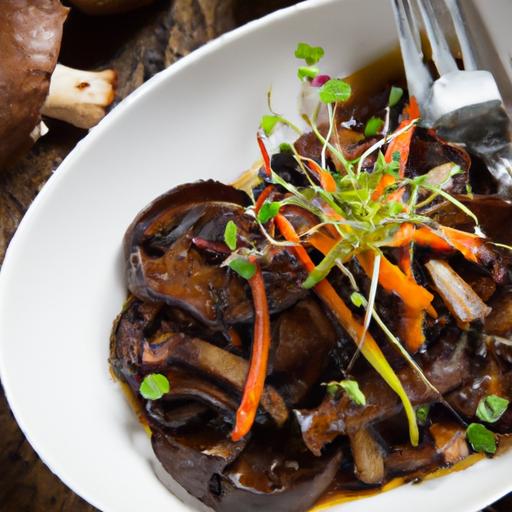
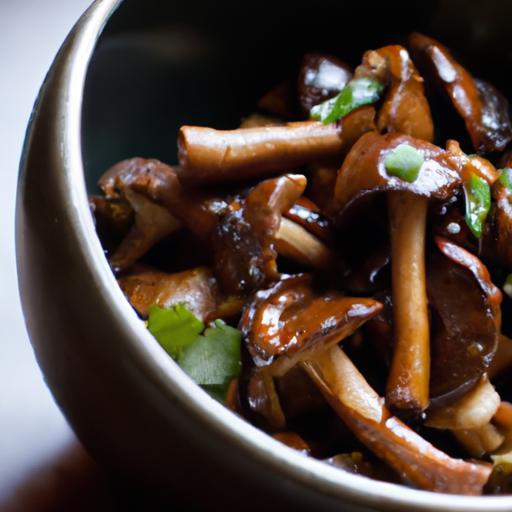
Mysteries of Mushrooms: Nature’s Fungi Uncovered invites you into a world where culinary artistry meets nature’s intricate mycelial tapestry. Today, we bring you a dish inspired by the earth’s hidden networks: a Wild Mushroom & Herb Risotto that celebrates the diverse textures and deep, woodsy aromas of foraged fungi. Drawing from ancient traditions and mycology innovations alike, this recipe showcases the tender embrace of creamy Arborio rice infused with the forest’s bounty-perfect for food lovers eager to explore mushrooms beyond the supermarket shelf.
Prep and Cook Time
- Prep Time: 20 minutes
- Cook Time: 40 minutes
- Total Time: 1 hour
Yield
Serves 4 generously
Difficulty Level
Medium – Ideal for adventurous cooks with some risotto experience
ingredients
- 1 ½ cups Arborio rice, rinsed and drained
- 4 cups vegetable broth, kept warm
- 3 tablespoons olive oil
- 1 small yellow onion, finely chopped
- 3 cloves garlic, minced
- 2 cups mixed wild mushrooms, cleaned and sliced (chanterelles, shiitake, oyster)
- ½ cup fresh parsley, chopped
- ¼ cup fresh thyme, finely chopped
- ½ cup grated Parmigiano-Reggiano cheese (optional for vegan: use nutritional yeast)
- Salt and freshly ground black pepper, to taste
- 1 tablespoon unsalted butter (or vegan butter)
- 1 lemon, zested (optional for brightness)
Instructions
- Warm your vegetable broth in a saucepan over low heat, keeping it hot but not boiling throughout the process.
- Heat 2 tablespoons olive oil in a large skillet over medium heat. Add the chopped onion and garlic,sautéing until translucent and fragrant,about 3 minutes.
- Add the wild mushrooms to the skillet. Sauté until golden brown, about 7-8 minutes, stirring occasionally to ensure even cooking and prevent sticking.
- In a deep skillet or heavy-bottom pot, heat the remaining 1 tablespoon olive oil over medium heat. add the Arborio rice and toast,stirring constantly until the grains become translucent around the edges but still opaque in the center,about 2 minutes.
- Begin adding warm broth one ladle at a time to the rice,stirring frequently.Allow each ladleful to be absorbed fully before adding the next.
- After about 15 minutes, stir in the sautéed mushrooms, fresh herbs, and continue adding broth until the rice is tender but still has a slight bite (al dente), approximately 18-20 minutes more.
- Remove from heat and stir in the butter and Parmigiano-Reggiano until creamy and well combined. season with salt, black pepper, and lemon zest if using.
- Let the risotto rest for 2 minutes, covered, before serving to allow flavors to meld beautifully.
Chef’s Notes
- Foraging Safety: Always double-check your wild mushroom selections with an expert guide or use trusted foraged varieties to avoid poisonous look-alikes.
- broth Substitutions: Mushroom broth can amplify the umami depth; try simmering mushroom stems in your vegetable stock for added flavor.
- Make-ahead Tip: Risotto is best served fresh. If needed, cool quickly and refrigerate, then gently reheat with a splash of warm broth or water to revive creaminess.
- Vegan Variation: Replace butter with coconut oil and Parmesan cheese with nutritional yeast or vegan cheese alternatives.
- Texture Tips: Stir gently but consistently to release the rice’s starches, creating risotto’s signature creamy texture without becoming mushy.
Serving Suggestions
serve this enchanting risotto warm in shallow bowls, garnished with additional fresh parsley and a drizzle of premium extra virgin olive oil. Complement the meal with a crisp green salad tossed in a light lemon vinaigrette or grilled seasonal vegetables to enhance the earthiness of the mushrooms.

| Nutrient | Per Serving |
|---|---|
| Calories | 370 kcal |
| Protein | 10 g |
| carbohydrates | 52 g |
| Fat | 9 g |
To delve deeper into foraging and enduring mushroom use, check out our Complete Guide to Sustainable Foraging. For a rich resource on edible fungi and health benefits, visit National Mushroom Day.
Q&A
Q&A: Mysteries of Mushrooms: Nature’s Fungi Uncovered
Q1: What exactly are mushrooms, and how do they fit into the natural world?
A1: Mushrooms are the fruiting bodies of fungi, a kingdom of organisms distinct from plants and animals. Unlike plants, fungi don’t photosynthesize; instead, they absorb nutrients by breaking down organic matter. Think of mushrooms as nature’s recyclers, appearing like little umbrellas that release spores to spread their species far and wide.
Q2: Why do mushrooms come in such a dazzling variety of shapes and colors?
A2: The astonishing diversity of mushrooms-from tiny button shapes to giant, umbrella-like caps-reflects their adaptation to different environments and ecological roles. Bright colors can warn predators of toxicity or lure insects that help disperse spores. Other shapes optimize spore release, moisture retention, or camouflage.
Q3: Can mushrooms communicate or interact with other organisms?
A3: Absolutely! Beneath the forest floor lies a vast network of fungal threads called mycelium, often dubbed the “Wood Wide Web.” This underground network connects plant roots, allows exchange of nutrients, and even enables trees to send chemical signals to each other. Mushrooms play a vital role in this intricate underground symphony.
Q4: Are all mushrooms safe to touch or eat?
A4: While many mushrooms are edible and tasty, nature also offers deadly impostors. some wild mushrooms contain potent toxins, so it’s crucial to never consume wild mushrooms unless identified by an expert. Touching mushrooms is generally safe, but always wash your hands afterward, as some species can cause skin irritation.
Q5: How do mushrooms reproduce and spread across landscapes?
A5: Mushrooms reproduce via microscopic spores, which are released in vast quantities from the gills or pores beneath their caps. Carried by wind, rain, or animals, these spores settle into new environments where conditions are right, germinate, and form mycelium that eventually produces new mushrooms.
Q6: What roles do mushrooms play in ecosystems?
A6: mushrooms are ecological multitaskers. Many break down dead wood and leaf litter, recycling nutrients back into the soil-vital for forest health. Others form symbiotic relationships with plants, enhancing their nutrient absorption. Some even act as natural pest controllers or indicators of environmental health.
Q7: How are mushrooms used beyond the forest-do they have practical human applications?
A7: Humans have harnessed mushrooms for centuries. Medicinal mushrooms contribute to modern pharmacology with compounds that support immune health and combat diseases. Culinary varieties offer rich flavors and textures. Moreover, fungi inspire innovations in sustainable materials, bioremediation, and even biodegradable packaging.
Q8: What mysteries about mushrooms are scientists still eager to explore?
A8: Despite centuries of study, mushrooms hold many secrets. Researchers are uncovering new species in remote regions and decoding the chemical language of fungal communication. The full extent of mycelium’s connection to plant life and its potential in climate solutions remain thrilling frontiers.
Q9: How can someone safely enjoy the wonder of mushrooms in nature?
A9: Exploring mushroom-rich habitats with a learned guide or reputable field guidebook is a great way to appreciate their diversity. photograph, observe, and learn without disturbing the delicate ecosystems. Cultivating edible mushrooms at home can also provide an up-close experience without risks.
Q10: Why should we care about preserving mushroom diversity?
A10: Mushrooms are linchpins in many ecosystems-destroy them, and entire habitats can falter. Their roles in nutrient cycling, plant health, and even carbon sequestration make them vital allies against environmental challenges. Protecting fungal habitats safeguards biodiversity,ecological balance,and the natural wonders still undiscovered beneath our feet.
Concluding Remarks
As we peel back the layers of the mushroom’s enigmatic world, what once seemed merely humble fungi reveal themselves as silent architects of ecosystems, medicinal marvels, and ancient storytellers woven into the very fabric of nature. Their mysteries beckon us to look closer, to appreciate the subtle dance of decay and growth beneath our feet, and to recognize that in the shadows of the forest floor lies a realm as complex and fascinating as any found above ground. The journey into the fungal kingdom is far from over-each spore carries the promise of new discoveries, reminding us that nature’s most understated creations often hold the greatest secrets.