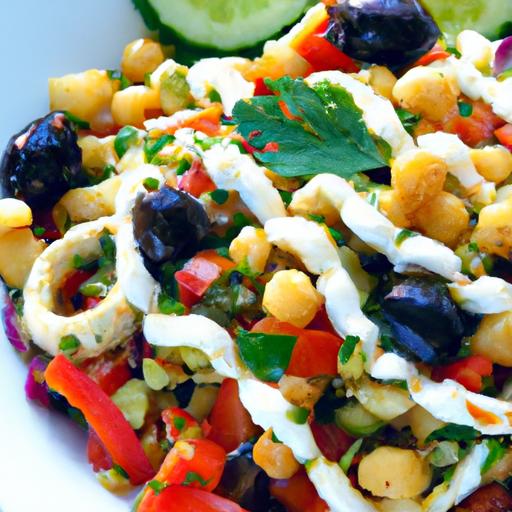

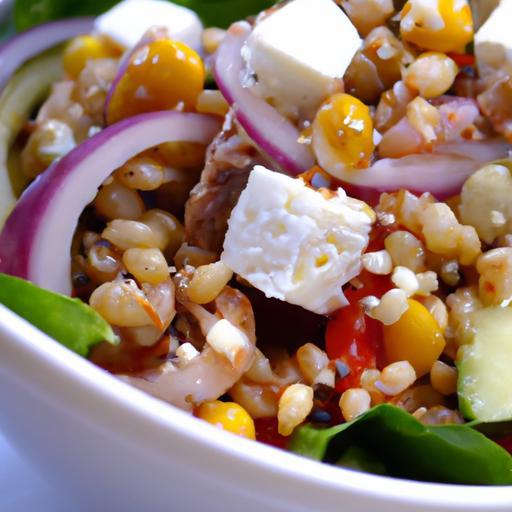
There’s something undeniably vibrant about the Mediterranean diet-a colorful mosaic of fresh ingredients, bold flavors, and wholesome nourishment that has captivated taste buds around the world. Enter the Mediterranean bowl: a culinary canvas were crisp vegetables, aromatic herbs, tangy olives, and hearty grains come together in a harmonious burst of flavor and health. In this article, we’ll dive into the magic behind these bowls, exploring how each bite delivers a refreshing balance of texture and taste, while celebrating the rich traditions and fresh offerings of the Mediterranean region. Prepare to awaken your palate and discover how to craft your own Mediterranean bowl masterpiece, brimming with freshness and vitality in every mouthful.
Mediterranean Bowl magic celebrates the vibrant, wholesome flavors that make these dishes endlessly satisfying and visually stunning.Drawing inspiration from coastal regions where sun-ripened herbs and fresh ingredients define each bite, this bowl combines the best of the Mediterranean’s bounty. The foundation lies in a colorful, nutrient-dense base, elevated with fragrant herbs, zesty dressings, versatile proteins, and artfully chosen toppings. This guide will walk you through crafting a bowl that’s not only healthy and delicious but bursting with freshness that dances on your palate.
Prep and Cook Time
- Preparation: 20 minutes
- Cook time: 15 minutes
- Total time: 35 minutes
Yield
Serves 4 generous Mediterranean bowls
Difficulty Level
Easy to Medium – perfect for beginners looking to elevate their meal prep with fresh,Mediterranean flair
Ingredients
- Base: 1 ½ cups cooked quinoa or couscous
- Fresh Herbs: ¼ cup finely chopped flat-leaf parsley,2 tbsp fresh mint,1 tbsp fresh dill
- Vegetables: 1 cup cherry tomatoes,halved; 1 medium cucumber,diced; ½ red onion,thinly sliced
- Protein Options (choose one or combine):
- 1 cup cooked chickpeas,rinsed and drained
- 1 cup grilled chicken breast,sliced
- 100g crumbled feta cheese
- 1 cup grilled halloumi slices
- Dressing: 3 tbsp extra virgin olive oil,1 tbsp freshly squeezed lemon juice,1 tsp Dijon mustard,1 small garlic clove (minced),salt and pepper to taste
- Toppings: ½ cup kalamata olives,pitted and halved; ¼ cup toasted pine nuts; 2 tbsp finely chopped sun-dried tomatoes; fresh arugula or baby spinach for garnish
Instructions
- Prepare the base: Cook quinoa or couscous according to package instructions. Fluff with a fork and set aside to cool slightly.
- Combine herbs and veggies: In a large mixing bowl, gently toss the parsley, mint, dill, cherry tomatoes, cucumber, and red onion until evenly mixed.
- Whisk the dressing: in a small bowl,thoroughly whisk together olive oil,lemon juice,Dijon mustard,garlic,salt,and pepper. Taste and adjust acidity or seasoning as needed.
- Dress the base and veggies: Pour half the dressing over the quinoa/couscous base and the other half over the herb and vegetable mixture. Toss each gently but thoroughly to marry the flavors.
- Add protein: Layer your chosen proteins-whether chickpeas for a plant-based option, grilled chicken slices, halloumi, or creamy feta-onto each bowl evenly. For optimal texture, warm proteins like chicken and halloumi just before serving.
- arrange toppings: Sprinkle kalamata olives, toasted pine nuts, and sun-dried tomatoes over the bowl, adding an inviting crunch and bursts of savory depth.
- Garnish and serve: Finish with a handful of fresh arugula or baby spinach for a peppery, vibrant touch that ties the bowl together.
tips for Success
- Herb freshness matters: Use crisp,freshly picked herbs for maximum fragrance and color contrast.Avoid bruising herbs while chopping to keep them vibrant.
- Dressing balance: Adjust lemon juice and mustard depending on your preferred tang and creaminess. A touch of honey or maple syrup can soften acidity if desired.
- Protein prep: For vegetarian options, roasting chickpeas with smoked paprika adds a delightful crunch and smoky undertone.
- Make-ahead ease: Prepare bases and chopping components a day ahead; add fresh herbs, dressing, and proteins just before serving to keep flavors bright.
- Creative swaps: Experiment with bulgur or freekeh as grain bases, or try grilled shrimp for seafood lovers while keeping the Mediterranean soul intact.
Serving Suggestions
Serve your Mediterranean bowls in shallow wide bowls to showcase the vibrant colors and textures. Offer extra lemon wedges and olive oil on the side for guests to customize their zest. Pair with warm pita bread or crispy lavash crackers for a complementary crunch. For an instagram-worthy finish, garnish with edible flower petals or microgreens to elevate presentation.

| Nutritional Info (per serving) | Calories | Protein | Carbs | Fat |
|---|---|---|---|---|
| Quinoa Base + Chickpeas + Feta | 450 kcal | 22 g | 45 g | 18 g |
| Couscous Base + Grilled Chicken + Olives | 480 kcal | 35 g | 40 g | 14 g |
For more Mediterranean inspiration, check out our Mediterranean Recipes Collection. Learn about the health benefits of Mediterranean herbs and olive oil at healthline.
Q&A
Q&A: Mediterranean Bowl Magic: Fresh Flavors in Every Bite
Q1: What makes a Mediterranean bowl so special compared to other grain bowls?
A1: Mediterranean bowls are a vibrant celebration of fresh, wholesome ingredients-think sun-ripened tomatoes, crisp cucumbers, fragrant herbs, tangy olives, and creamy feta. They’re layered with textures and flavors that awaken your palate, combining the earthiness of grains like quinoa or couscous with zesty dressings and herbs. It’s a bowl that tells the story of the Mediterranean’s rich culinary heritage, all in one nutritious, colorful dish.
Q2: How can I create a perfectly balanced Mediterranean bowl at home?
A2: Balance is key! Start with a wholesome base-brown rice,quinoa,or bulgur are fantastic choices. Add a variety of vibrant veggies-roasted eggplant, bell peppers, fresh tomatoes, or crunchy radishes. Protein is essential, and chickpeas, grilled chicken, or flaky fish fit beautifully. dress your bowl with a bright lemon-olive oil vinaigrette and sprinkle with fresh herbs like parsley, mint, or dill for that signature mediterranean magic.Q3: What fresh herbs and spices should I use to capture authentic Mediterranean flavors?
A3: Aromatic herbs are the soul of Mediterranean cuisine. Fresh parsley, dill, oregano, and mint bring bright, lively notes to your bowl. Add a pinch of ground cumin or smoked paprika to introduce a warm, earthy undertone. For an extra zing, crushed red pepper flakes or sumac lend a subtle, tangy lift that makes each bite sparkle.Q4: Can Mediterranean bowls be customized for different dietary preferences?
A4: Absolutely! Mediterranean bowls are incredibly versatile.For vegetarians or vegans, load up on vibrant veggies, legumes like lentils or chickpeas, and flavorful grains. For pescatarians, grilled fish or seafood adds a delicate protein boost. Gluten-free? choose quinoa or rice bases instead of wheat-based grains. The key is thoughtful layering of fresh ingredients to suit your taste and lifestyle without losing the bowl’s vibrant character.
Q5: What are some creative toppings or add-ons to elevate a Mediterranean bowl?
A5: The magic’s in the toppings! Toasted pine nuts or slivered almonds add a delightful crunch. Marinated artichokes, sun-dried tomatoes, or olives infuse deep Mediterranean flavors.Add a dollop of creamy hummus or tzatziki for luscious texture. A sprinkle of crumbled feta or a few kalamata olives brings a briny burst of tang that transforms every bite into a mini celebration.
Q6: How can I keep my Mediterranean bowl fresh and vibrant for meal prep?
A6: To keep your bowl vibrant, pack components separately when prepping ahead-store your grains, veggies, and dressings in individual containers. Wait to add fresh herbs, dressings, and delicate toppings until serving time. This keeps textures crisp and flavors bright, so you enjoy every mouthful as if freshly made.
Q7: What role do grains play in a Mediterranean bowl?
A7: Grains are the foundational canvas of a Mediterranean bowl. They offer hearty nourishment and a satisfying base that carries the bold flavors of the toppings and dressings. Whether it’s fluffy couscous, nutty quinoa, or chewy farro, grains add texture and subtle earthiness that harmonize with the vibrant medley of fresh ingredients.
Q8: How does the Mediterranean diet influence the health benefits of these bowls?
A8: The Mediterranean diet is celebrated for its heart-healthy fats,rich fiber,and an abundance of antioxidants. By focusing on vegetables,legumes,wholesome grains,and healthy oils like extra virgin olive oil,mediterranean bowls deliver balanced nutrition and vibrant flavors that support overall wellness-making every bowl a deliciously smart choice.
Q9: Any tips for making Mediterranean bowls kid-friendly?
A9: Keep it colorful and fun! Include familiar veggies like sweet cherry tomatoes and crunchy cucumbers, and offer a side of mild hummus for dipping. Mixing in a little shredded chicken or chickpeas boosts protein subtly, while a squeeze of fresh lemon brightens flavors without overpowering young taste buds.Encourage kids to build their own bowls with their favorite components for an interactive, tasty experience.
With these tips and insights, your Mediterranean bowls will come alive with fresh flavors and wholesome goodness-each bite a little journey to sunlit shores and bustling markets. Enjoy the magic!
Future Outlook
As you savor the vibrant colors and fresh, wholesome ingredients of your Mediterranean bowl, remember that each bite is more then just a meal-it’s a celebration of tradition, health, and flavor harmonizing on your plate. Whether you’re seeking a quick lunch or a nourishing dinner, these bowls offer endless opportunities to explore the Mediterranean’s rich culinary heritage in your own kitchen. so go ahead, sprinkle in a dash of za’atar, drizzle some golden olive oil, and let the magic of fresh flavors transform your dining experience-one delicious bite at a time.