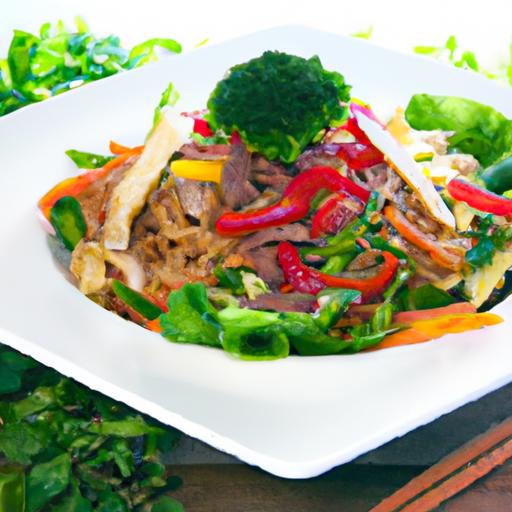

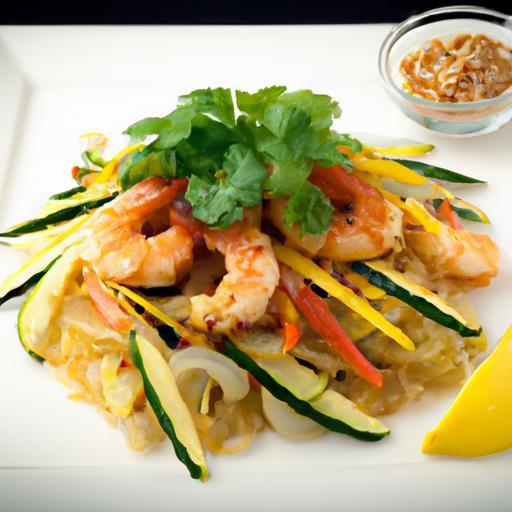
In the bustling rhythm of modern life, finding meals that are both swift and satisfying can feel like chasing a fleeting spark. Enter the art of stir fry-a vibrant dance of fresh ingredients sizzling in harmony, delivering bold flavors with every bite. Mastering this culinary technique not only transforms everyday vegetables and proteins into mouthwatering dishes but also unlocks a world where creativity meets convenience. Join us as we explore quick, fresh, and flavorful stir fry recipes that will elevate your kitchen game and delight your palate, proving that delicious can be effortless.
Master the Art of Stir Fry by selecting fresh, vibrant ingredients that bring both nutrition and color to your plate. This technique, deeply rooted in Asian culinary traditions, emphasizes quick cooking on high heat to preserve crunch, flavors, and nutrients. Whether you grew up savoring wok-cooked meals or are inspired by the bustling street markets of Asia, mastering the ideal stir fry elevates simple produce into a feast of textures and tastes.
Prep and Cook Time
- Preparation: 15 minutes
- Cooking: 7-10 minutes
- Total: 25 minutes
Yield
- Serves 4 as a satisfying main dish
Difficulty Level
- Easy – perfect for beginners and busy weeknights
Ingredients
- 2 tablespoons high smoke point oil (e.g., grapeseed or avocado oil)
- 1 pound boneless, skinless chicken breast or firm tofu, cut into bite-size pieces
- 1 cup broccoli florets, trimmed
- 1 medium red bell pepper, thinly sliced
- 1 cup snap peas, ends trimmed
- 1 medium carrot, julienned
- 3 cloves garlic, finely minced
- 1 tablespoon fresh ginger, grated
- 3 green onions, chopped (whites and greens separated)
- 2 tablespoons low sodium soy sauce or tamari
- 1 tablespoon oyster sauce or vegetarian stir fry sauce
- 1 teaspoon toasted sesame oil
- 1 teaspoon cornstarch mixed with 2 tablespoons water (optional, for thicker sauce)
- Freshly ground black pepper, to taste
- 1 teaspoon toasted sesame seeds for garnish
- Steamed jasmine rice or noodles, for serving
Instructions
- Heat the wok or large skillet over high heat until shimmering. Add 1 tablespoon oil, swirling to coat.
- Add the chicken or tofu in a single layer. Leave undisturbed for 1-2 minutes to develop a golden sear. Stir-fry until cooked through and lightly browned, about 4-5 minutes. Transfer to a plate and set aside.
- Heat the remaining oil in the wok.Add garlic, ginger, and the white parts of the green onions. stir-fry for 30 seconds until fragrant but not burnt.
- Toss in the vegetables in order of firmness: carrots and broccoli first, then bell peppers and snap peas after 2-3 minutes. Stir-fry until vegetables are radiant and just tender-crisp, 3-4 minutes.
- Return the chicken or tofu to the wok. Stir to combine.
- Pour in soy sauce, oyster sauce, and sesame oil. Stir continuously to coat ingredients. If you prefer a thicker sauce, add the cornstarch slurry now and cook for an additional minute until glossy.
- Season with pepper and toss in the green parts of the onions. Remove from heat immediately to preserve crunch and avoid overcooking.
- Serve hot over steamed jasmine rice or noodles. Sprinkle with toasted sesame seeds for a nutty finish.
Tips for Success
- Ingredient choice is key: Opt for crisp vegetables that cook quickly and retain color, such as bell peppers, snap peas, and broccoli. Freeze-thaw cycles drain flavor and texture, so fresh or properly stored produce works best.
- Cut uniformly: Consistent sizes across proteins and vegetables ensure even cooking and a balanced bite in every mouthful.
- High heat and a hot wok/skillet create the signature sear and delightful “wok hei” aroma. Preheat properly and avoid overcrowding your pan to prevent steaming.
- Layer your flavors: Add garlic and ginger early to infuse the oil, but be careful not to burn them. Soy sauce and oyster sauce build umami depth-balance salty and savory elements for a harmonious sauce.
- Time-saving trick: Prepare and chop all ingredients before heating your pan (mise en place).This ensures each component hits the wok at just the right moment.
- Creative variations: Swap chicken for shrimp, tempeh, or firm-fried tofu. Experiment with vegetables like bok choy,water chestnuts,or baby corn for different textures.
Serving Suggestions
Present your stir fry with a generous bed of fluffy jasmine rice or tender egg noodles tossed lightly in sesame oil. Garnish with a sprinkle of toasted sesame seeds and freshly chopped cilantro or Thai basil. For an added crunch, serve alongside pickled cucumber salad or steamed dumplings. Pair with a light chili-lime dipping sauce to wake up the palate and add an exciting tang.
| Nutrient | Per Serving |
|---|---|
| Calories | 320 kcal |
| Protein | 28 g |
| Carbohydrates | 18 g |
| Fat | 12 g |

For more inspiration on quick and flavorful meals, check out our related guide on quick healthy weeknight dinners. To deepen your understanding of wok cooking techniques, explore this comprehensive resource from Serious Eats.
Q&A
Q&A: Master the Art of Stir Fry – Quick, Fresh, and Flavorful Recipes
Q1: What makes stir fry such a popular cooking technique worldwide?
A1: Stir frying is beloved because it’s fast, vibrant, and endlessly adaptable. By cooking over high heat and stirring constantly, ingredients retain their crunch, color, and nutrients, resulting in dishes that are fresh and bursting with flavor. Plus, it’s a one-pan wonder-minimal cleanup, maximum taste!
Q2: Can beginners easily learn to stir fry at home?
A2: absolutely! Stir frying is one of the most beginner-kind cooking methods. With a few key tips-like prepping all ingredients beforehand (mise en place), using a hot pan, and cutting vegetables and proteins into uniform pieces-you’re set for success.
Q3: How vital is ingredient preparation in stir frying?
A3: it’s crucial! Stir frying happens fast, so every element must be ready to go. Prep your proteins, chop veggies evenly, and have sauces measured out. This ensures each ingredient hits the pan at the right time for perfect texture and flavor.
Q4: What are some essential ingredients for a flavorful stir fry?
A4: A harmonious stir fry combines vibrant vegetables (think bell peppers, snap peas, broccoli), a protein source (like chicken, tofu, shrimp, or beef), aromatic aromatics (garlic, ginger, scallions), and a savory sauce base crafted from soy sauce, sesame oil, and a touch of sweetness or acidity.
Q5: How can I keep vegetables crisp but cooked through?
A5: The key is high heat and timing. Start with denser vegetables that take longer to cook (carrots, broccoli), then add quicker-cooking ones (snow peas, mushrooms) later. Stir often to cook everything evenly without steaming.
Q6: What role do sauces play in stir frying?
A6: Sauces are the soul of a stir fry, tying ingredients together with layers of flavor-salty, sweet, tangy, and umami.A simple combination of soy sauce, a splash of rice vinegar or citrus, a sweetener like honey or maple syrup, and a sprinkle of chili flakes can elevate your dish from good to unforgettable.
Q7: Can stir frying be adapted for special diets?
A7: definitely! Stir fries are incredibly versatile. They can be made vegetarian, vegan, gluten-free, or low-carb by swapping proteins, choosing your preferred veggies, and adjusting sauces accordingly.
Q8: What are some creative twists to try in stir fry recipes?
A8: experiment with textures and flavors by adding toasted nuts or seeds for crunch, fresh herbs like cilantro or basil for brightness, or finishing with a drizzle of nut butter for richness. Don’t shy away from mixing grains-serve your stir fry over quinoa, cauliflower rice, or even spiralized veggies.
Q9: Is it better to use a wok or a regular skillet?
A9: A wok’s shape offers excellent heat distribution and space for tossing ingredients, making it ideal. But a large, heavy-bottomed skillet or sauté pan works perfectly well if you don’t have a wok. The secret is high heat and good oil.
Q10: How can I prevent sticking or burning when stir frying?
A10: Use an oil with a high smoke point (like grapeseed,peanut,or refined avocado oil) and ensure your pan is preheated before adding ingredients. Keep food moving in the pan by stirring or tossing frequently to avoid scorching.Ready to ignite your stove and craft meals that come together in minutes yet taste like a festivity? Mastering stir fry is your passport to fresh, quick, and irresistibly flavorful dinners every night!
The Conclusion
As you embark on your stir-fry journey, remember that this vibrant cooking technique is as much about rhythm and intuition as it is about ingredients. With just a sizzling wok, fresh produce, and simple seasonings, you can transform everyday meals into colorful, flavorful celebrations of taste and texture. so, sharpen your knives, gather your favorite veggies and proteins, and let your creativity take the lead. Mastering the art of stir fry means embracing speed without sacrificing freshness-and most importantly, making every bite a joyful explosion of flavor. Ready to wok and roll? Your next quick, delicious masterpiece awaits.