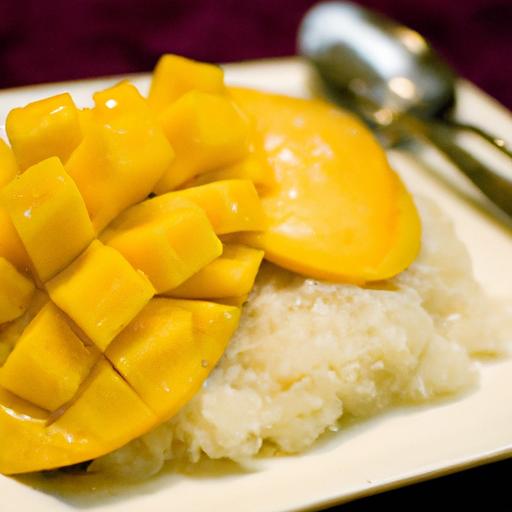

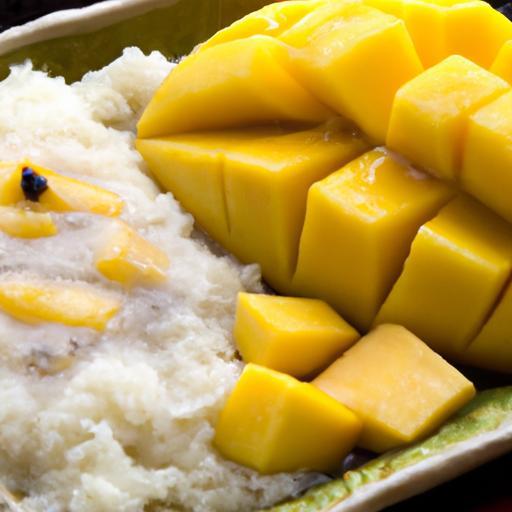
Beneath the swaying palms of Thailand’s sun-drenched orchards lies a culinary treasure that captures the essence of the tropics in every bite-Mango Sticky Rice. This beloved dessert, a harmonious marriage of creamy coconut-infused sticky rice and ripe, juicy mango slices, has enchanted taste buds both locally and around the world. More than just a sweet treat, Mango sticky Rice is a sensory journey into Thailand’s rich cultural heritage, seasonal rhythms, and heartfelt hospitality. In this article, we unwrap the story behind this iconic dish, exploring its origins, ingredients, and the subtle art of balancing flavors that make it a timeless tropical delight.
The Origins and Cultural Significance of Mango Sticky Rice in Thailand
Mango sticky rice is more than just a tropical treat; it is a vivid emblem of Thai heritage and warmth, weaving together centuries of culinary tradition. Rooted in the fertile plains of Thailand’s central and northern regions, this dessert celebrates the luscious pairing of ripe mangoes and glutinous rice, enriched with creamy coconut milk. Historically, it was enjoyed during the Thai New Year (Songkran) and harvest festivals, symbolizing abundance and sweetness in life’s moments.
For locals, mango sticky rice is a party of seasonal bounty, representing joy and togetherness. The crafting of the dish is an art passed down through generations, embodying a perfect balance of textures and flavors -sticky, fragrant rice contrasting with juicy, sweet mango slices, all cloaked in rich coconut cream. This harmony speaks to the heart of Thai cuisine’s essence: simplicity elevated through quality,technique,and respect for natural ingredients.
the Art of Perfecting Sticky Rice for an Authentic Experience
Sticky rice is the soul of mango sticky rice,and mastering its texture is the hallmark of authenticity. Unlike regular rice,glutinous rice demands patience: soaking,steaming,and gentle handling are crucial to coax out its delicate chewy tenderness without turning mushy.
Start by soaking the rice for at least 4 hours – ideally overnight – allowing the grains to plump evenly. Steam the rice in a traditional bamboo basket or a fine-mesh sieve over boiling water, covering tightly to trap the steam. The rice should emerge fluffy yet sticky, with a glossy sheen. For extra creaminess, toss the freshly steamed rice with warm coconut milk mixed with a pinch of salt and sugar, letting the grains absorb the liquid fully.
Skipping over boiling or soaking shortcuts compromises the texture, so embracing the ritual is essential for an authentic experience. Once perfected, sticky rice becomes a luscious base that elevates the succulent mango into sublime harmony.
Choosing the Right Mango Varieties for Maximum Sweetness
Not all mangoes are created equal when it comes to mango sticky rice. The ideal mango for this dish is fragrant,velvety,and richly sweet with vibrant golden flesh. Popular Thai varieties like Nam Dok Mai and Keo Savoy reign supreme among street vendors and home cooks alike due to their silky texture and natural honeyed flavor.
When selecting mangoes, look for fruits that yield slightly to gentle pressure but are not overly soft or bruised. Their aroma should be fragrant and fresh. Unripe or overly fibrous mangoes disrupt the delicate balance needed to harmonize with the creamy coconut rice.
If Thai mangoes are unavailable, other sweet, soft-fleshed types such as Ataulfo or Honey mangoes can be excellent alternatives, provided they are fully ripe and juicy.
Tips and Tricks for Serving Mango Sticky Rice Like a local
Serving mango sticky rice like a local is an expression of care and celebration. Traditionally, the dish is plated with a generous scoop of sticky rice nestled alongside sliced mango, all drizzled with warm coconut sauce that glistens beneath a sprinkle of toasted sesame seeds or crunchy mung beans for textural contrast.
Present on a banana leaf or a simple ceramic plate to evoke the street food charm and festive spirit. For added flair, serve with a side of extra coconut cream in a small bowl for drizzling.
Enjoy it fresh and slightly warm – the raw interplay of warm rice, cool ripe mango, and velvety coconut makes each bite decadently balanced. Pair with a calming jasmine tea to echo the aromatic lushness of the dessert and round out the sensory experience.
To embrace the full cultural vibe, gather friends or family to share this sweet tropical delight – it’s as much about community and happiness as it is indeed about flavor.
Prep and Cook Time
- Prep Time: 15 minutes (plus 4-6 hours soaking)
- Cook Time: 30 minutes
- Total Time: Approximately 5 hours (including soaking)
Yield
Serves 4 generous portions
Difficulty Level
Medium: Requires soaking and steaming the rice, plus some timing coordination for ripe mango and sauce readiness
Ingredients
- 1 cup glutinous (sticky) rice, rinsed and soaked overnight
- 1 1/2 cups full-fat coconut milk
- 1/2 cup granulated sugar
- 1/2 teaspoon salt
- 2 ripe mangoes, peeled and sliced
- 2 tablespoons toasted sesame seeds or roasted mung beans for garnish
Instructions
- Prepare the rice: Drain the soaked sticky rice. Place it in a bamboo steamer basket or a fine-mesh sieve lined with cheesecloth, set over simmering water.Cover and steam for 20-25 minutes or until the grains are tender but intact. Check halfway and gently fluff with a fork.
- Make the coconut sauce: while rice steams, combine coconut milk, sugar, and salt in a saucepan over medium heat. Stir until sugar dissolves completely – do not boil. Remove about 1/4 cup of the sauce to serve as extra drizzle later.
- Mix rice and sauce: Transfer steamed sticky rice to a large bowl. Pour the majority of the warm coconut sauce over it and gently fold to coat the rice evenly. Cover and let absorb for 15-20 minutes.
- Prepare mangoes: Slice peeled mangoes into smooth, even wedges or cubes.
- Serve: Arrange a portion of coconut sticky rice alongside mango slices on plates. Drizzle with reserved coconut sauce. Sprinkle with toasted sesame seeds or roasted mung beans for contrasting texture and visual appeal.
Chef’s Notes
- For best results, soak the rice the night before to achieve tenderness and proper gelatinization.
- If you lack a steamer, cook sticky rice in a heavy-bottomed pot with a tight-fitting lid over very low heat, stirring carefully to prevent sticking.
- Substitute coconut sugar or palm sugar for a deeper, earthy sweetness.
- Use ripe mangoes only-unripe mangoes will taste tart and clash with the coconut cream.
- Leftover sticky rice can be refrigerated and gently reheated in a steamer or microwave with a splash of water.
Serving suggestions
Serve the dessert slightly warm or at room temperature to highlight the creamy texture of the sticky rice and the tender juiciness of the mango. Garnish with a sprig of fresh mint or pandan leaf for an aromatic flourish. For an extra pop, top with a tiny pinch of flaky sea salt to elevate sweetness.
Enjoy mango sticky rice alongside a chilled glass of iced jasmine tea or freshly brewed Thai iced tea to complement the tropical sweetness with aromatic refreshment.

| Nutrient | Amount per Serving |
|---|---|
| Calories | 320 |
| Protein | 3g |
| Carbohydrates | 55g |
| Fat | 8g |
To explore other beloved Thai desserts that complement this dish,check out our in-depth guide on Authentic Thai Desserts perfect for Every Occasion.
For a deep dive into the cultural roots of Thailand’s culinary traditions, visit the Tourism Authority of thailand’s official site.
Q&A
Q&A: Mango Sticky Rice: Thailand’s Sweet Tropical Delight Unwrapped
Q1: What exactly is Mango Sticky Rice?
A1: Mango Sticky Rice, or Khao Niew Mamuang in Thai, is a beloved traditional dessert that artfully combines fragrant sticky rice, luscious ripe mangoes, and creamy coconut milk.It’s a harmonious blend of textures and flavors-sweet, rich, and refreshingly tropical-all in one bite.
Q2: How did Mango Sticky Rice become such an iconic Thai dessert?
A2: originating from Thailand’s fertile landscape, where mango and sticky rice thrive, this dessert reflects the country’s agricultural bounty and culinary ingenuity. It’s been enjoyed for centuries during mango season and festive occasions, becoming a cultural symbol of Thai hospitality and the sweetness of tropical life.
Q3: What kind of rice is used in Mango Sticky Rice?
A3: The star is glutinous or sticky rice, which isn’t actually “glutinous” in the gluten sense but rather sticky when cooked. This rice’s unique texture makes it perfect for soaking up the rich coconut milk, creating a soft and slightly chewy base that pairs beautifully with mango.
Q4: Can Mango Sticky Rice be enjoyed year-round?
A4: While the freshest and juiciest mangoes shine in Thai mango season (typically March to June), mango sticky rice can be made year-round using imported or preserved mangoes. However, the magic truly happens when mangoes are at their peak freshness and sweetness.
Q5: How is the coconut milk sauce prepared?
A5: The coconut milk sauce is gently simmered with a pinch of salt and sugar until it thickens slightly into a velvety, aromatic drizzle. This sauce is poured over the sticky rice, soaking into it and imparting luscious richness that balances the mango’s natural sweetness.
Q6: Are there any traditional toppings or accompaniments for Mango Sticky Rice?
A6: Yes! Toasted mung beans or sesame seeds are often sprinkled on top to add a delightful crunch and nutty contrast. Some variations even include a touch of pandan leaf essence in the coconut milk for an extra fragrant note.
Q7: How does Mango Sticky Rice capture the essence of Thai culture?
A7: This dessert embodies Thai values-balance, hospitality, and a connection to nature. The interplay of sweet, salty, creamy, and fresh flavors mirrors the Thai culinary beliefs of harmonious contrasts. Sharing Mango Sticky Rice is also a gesture of warmth, making it more than just a dessert but a symbol of togetherness.
Q8: Can Mango Sticky Rice be adapted for dietary preferences?
A8: Absolutely! Mango Sticky Rice is naturally gluten-free and vegetarian. For those who prefer lighter options, coconut milk can be adjusted for richness, or the dessert can be enjoyed simply as ripe mango paired with sticky rice.
Q9: What’s the best way to enjoy Mango Sticky Rice?
A9: For the ultimate experience, serve the sticky rice warm or at room temperature, topped generously with fresh mango slices, and drizzled with coconut sauce. The warmth of the rice against the cool mango creates a delightful sensory contrast that’s easy to savor.
Q10: Where can one find authentic Mango Sticky Rice outside Thailand?
A10: Many Thai restaurants worldwide feature this dessert, especially those dedicated to authentic regional cuisine. Seasonal asian grocery stores may also stock pre-made versions or the ingredients needed to make it at home, inviting adventurous food lovers to bring a taste of thailand’s tropics to their kitchen.
Concluding Remarks
As the final grains of sticky rice melt into the lingering sweetness of ripe mango,we are reminded that Mango Sticky Rice is more than just a dessert-it’s a vibrant celebration of Thailand’s rich culinary heritage and tropical abundance. This humble yet heavenly dish invites us to savor the perfect balance of texture and flavor, where creamy coconut meets sun-kissed fruit in a harmonious dance. Whether enjoyed street-side in bustling Bangkok or recreated in your own kitchen,Mango Sticky Rice unwraps the spirit of Thailand’s tropical charm,one luscious bite at a time. So next time you crave a taste of paradise, let this iconic dessert transport you to the heart of Southeast Asia’s sweetest tradition.