
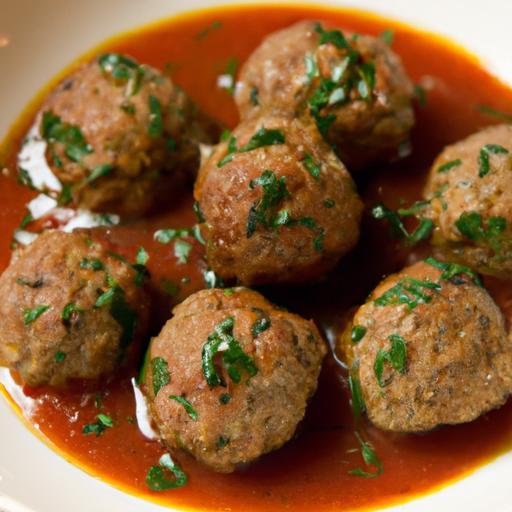
In kitchens across continents and centuries,few dishes have traveled the world’s spice routes quite like kofta. These humble meatballs-infused with fragrant herbs, bold spices, and cultural stories-are much more than just a comforting bite. From the bustling bazaars of the Middle East to the vibrant street stalls of South Asia, kofta reveals a rich tapestry of flavors and traditions woven into every savory morsel. Join us as we embark on a delicious journey through kofta’s aromatic origins, diverse variations, and enduring appeal, uncovering the secrets behind this beloved culinary treasure that continues to captivate palates worldwide.
Kofta Unveiled brings you on an evocative journey deep into the heart of spiced meatballs, a dish that transcends borders and cultures with it’s rich flavors and timeless appeal. Originating centuries ago in the Middle Eastern and South Asian regions, these succulent meatballs carry the legacy of diverse traditions and centuries-old culinary craftsmanship. Their essence lies in the masterful blending of aromatic spices, balancing textures, and regional touches that make every bite a story on its own.
Prep and Cook Time
Planning: 25 minutes
Cooking: 20 minutes
Total Time: 45 minutes
Yield
Serves 4-6 people
difficulty Level
Medium
Ingredients
- 500g ground lamb (or beef for a milder taste)
- 1 medium onion, finely grated
- 3 cloves garlic, minced
- 1/4 cup fresh parsley, chopped
- 2 teaspoons ground cumin
- 1 teaspoon ground coriander
- 1 teaspoon smoked paprika
- 1/2 teaspoon ground cinnamon
- 1/4 teaspoon cayenne pepper (adjust to taste)
- 1 teaspoon salt
- 1/2 teaspoon freshly ground black pepper
- 1/4 cup breadcrumbs
- 1 large egg, lightly beaten
- 2 tablespoons olive oil (for frying)
- Juice of 1 lemon
Instructions
- Prepare the meat mixture: In a large bowl, combine the ground lamb, grated onion, minced garlic, fresh parsley, breadcrumbs, and egg. Mixing gently ensures a tender texture without overworking the meat.
- Spice it up: Add ground cumin, coriander, smoked paprika, cinnamon, cayenne pepper, salt, and black pepper. Blend thoroughly but carefully, allowing the spices to fully infuse the meatball mixture.
- Shape the kofta: With damp hands, form the mixture into uniform oval-shaped meatballs, about 2 inches in length.Keeping them consistent ensures even cooking.
- Preheat and fry: Heat olive oil in a large skillet over medium heat. Gently place the kofta and cook for about 4-5 minutes on each side, turning until golden brown and cooked through. Avoid overcrowding the pan to maintain crisp edges.
- Rest and finish: Transfer the cooked kofta to a plate lined with paper towels to absorb any excess oil.Squeeze fresh lemon juice over the top to brighten the flavors just before serving.
Tips for Success
- Meat choice: Lamb delivers customary earthiness, but ground beef offers a leaner alternative with a milder profile.
- Binder alert: Breadcrumbs and egg keep kofta tender but feel free to swap breadcrumbs with cooked rice or soaked bulgur for a different texture.
- Spice Adjustments: Tailor cayenne pepper to your heat tolerance-start less and add more as desired.
- Make ahead: Prepare the kofta mixture in advance and refrigerate for up to 12 hours, allowing spices to meld beautifully.
- Cooking methods: Besides pan-frying,kofta can be grilled or baked for a healthier twist.
Serving Suggestions and Pairings
Present your beautifully cooked kofta atop a bed of fluffy cardamom-scented rice or nestled alongside a creamy hummus dip to soak up those spices. Garnish with fresh mint leaves, a sprinkle of toasted pine nuts, and a dollop of cooling tzatziki or a tangy tamarind chutney to add layers of texture and flavor complexity. For an added zest, a side salad featuring crisp cucumbers, juicy tomatoes, and a drizzle of lemon vinaigrette pairs perfectly. These pairings elevate the dish from simple to remarkable, allowing every bite to celebrate the cultural tapestry that is kofta.
Exploring Regional Variations and Cooking techniques
Traveling across regions reveals a kaleidoscope of kofta interpretations-from the subtly spiced Persian koobideh grilled on skewers to the richly tomato-simmered Indian keema kofta. Each variation reflects local ingredients and cooking techniques,such as deep-frying for a crisp exterior or slow-cooking in a fragrant curry sauce for supremely tender results. Embracing these diverse methods empowers you to craft a kofta experience tailored to your palate and occasion.
| Nutrient | Per Serving (approx.) |
|---|---|
| Calories | 320 kcal |
| Protein | 24 g |
| Carbohydrates | 8 g |
| Fat | 22 g |

The magic behind this dish is not just in the spices or technique but in the stories and hands that have perfected kofta across generations. Dive in, and let each bite connect you to that rich heritage.
For further inspiration on Middle Eastern flavors, be sure to explore our Middle Eastern Grill Magic series. Also,visit Britannica’s Kofta entry for an authoritative past overview.
Q&A
Q&A: Kofta Unveiled: A Savory Journey Through Spiced Meatballs
Q1: What exactly is kofta, and where does it originate from?
A1: Kofta is a beloved dish consisting of spiced meatballs or meatloaf, traditionally made from ground lamb, beef, or sometimes chicken. Its origins trace back to the Middle East and south Asia, where centuries-old recipes have been passed down, each region adding its unique mix of herbs, spices, and cooking techniques. Kofta enjoys widespread popularity throughout the Mediterranean,the Indian subcontinent,and beyond,frequently enough served as a flavorful centerpiece or a tantalizing street food snack.
Q2: What kinds of spices and herbs are typically used in making kofta?
A2: The magic of kofta lies in its aromatic blend of spices. Commonly, you’ll find a melting pot of cumin, coriander, turmeric, cinnamon, and allspice. Fresh herbs like parsley, mint, and cilantro add brightness, while ginger, garlic, and chili peppers introduce warmth and depth. Each cook’s spice blend tells a story-sometimes smoky, sometimes floral, sometimes fiery-making every kofta unique.
Q3: Can kofta be made with different types of meat?
A3: Absolutely! lamb is the classic choice in many regions for its rich flavor and fat content, which keeps the kofta juicy. Ground beef offers a milder, more accessible base, while chicken or turkey kofta provide lighter, leaner alternatives without sacrificing flavor. Vegetarian versions made with lentils, chickpeas, or mushrooms have also gained popularity, proving that kofta transcends meat alone.Q4: How is kofta traditionally cooked?
A4: Kofta can be grilled, baked, fried, or simmered in flavorful sauces. Grilling over open flames is a popular method that infuses smokiness and keeps the meat tender. In some regions, kofta is gently cooked in a tomato-based curry or tangy yogurt sauce, allowing the flavors to meld beautifully. Whether served on skewers, nestled in flatbreads, or spooned over rice, kofta’s cooking style is incredibly versatile.
Q5: What dishes or accompaniments typically accompany kofta?
A5: Kofta pairs wonderfully with an array of sides that complement its spices and textures. Traditional choices include fragrant basmati rice, soft pita or naan bread, cooling yogurt sauces like tzatziki or raita, and fresh salads with cucumbers and tomatoes. Pickled vegetables, roasted eggplants, or lentil stews can also elevate the meal, offering contrasts that balance the richness of the meatballs.
Q6: How can someone make kofta at home for the first time?
A6: Starting with fresh ground meat, finely chopped herbs, and a well-balanced spice mix is key. Mixing the ingredients gently but thoroughly ensures evenly seasoned meatballs. It’s notable not to overwork the mixture to keep the texture light. Shape the kofta into small balls or elongated patties and cook them over medium heat to retain juiciness. Serving them with a simple herb yogurt sauce or a vibrant tomato chutney can complete the experience.
Q7: Are there any cultural or festive occasions where kofta holds special significance?
A7: Yes! Kofta frequently enough takes center stage during family gatherings, festive celebrations, and religious holidays across many cultures. In India and Pakistan, it’s a staple during Eid celebrations; in the Levant, kofta is central to holiday feasts and weddings. Its comforting flavors symbolize warmth, hospitality, and shared joy.
Q8: What makes kofta timeless in global cuisine?
A8: Kofta’s adaptability is its greatest strength.Its foundational concept-ground meat combined with spices and herbs-allows it to morph seamlessly across cultures and tastes. It is indeed simultaneously humble street food and elegant dining fare. With every bite, kofta connects tradition with innovation, making it a true savory journey through history and flavor.
Concluding Remarks
As we close the chapter on our flavorful expedition through the world of kofta, it’s clear that these humble spiced meatballs are much more than just a dish-they are a vibrant tapestry of culture, history, and culinary artistry. From the aromatic bazaars of the Middle East to modern kitchens worldwide, kofta continues to captivate palates with its rich blend of spices and textures.Whether grilled, fried, or simmered in a fragrant sauce, each bite tells a delicious story of tradition and innovation. So next time you savor kofta, remember you’re partaking in a timeless journey that celebrates the universal language of good food and shared heritage.