
Step inside the warm, fragrant world of the Spaghetti Factory, where humble grains of wheat transform into strands of golden pasta that have delighted palates for centuries.This is more than just a kitchen-it’s a vibrant stage where tradition meets craftsmanship, and simple ingredients become culinary art. Join us as we unravel the timeless secrets and modern techniques behind pasta making, exploring every twist and turn from flour to fork.Whether you’re a seasoned foodie or a curious newcomer, embark on this flavorful journey through the heart of one of Italy’s most beloved creations.
Inside the Spaghetti Factory: A Journey Through Pasta Making reveals the true magic of transforming simple, authentic ingredients into remarkable dishes that celebrate Italy’s culinary heritage. Whether you’re a seasoned cook or an enthusiastic beginner,mastering pasta is an art that begins with quality raw materials and ends with the perfect balance of texture,shape,and sauce.From the flour’s delicate protein content to the tender bite of meticulously kneaded dough, every element makes a difference in your final creation.
Prep and Cook Time
- Preparation: 30 minutes
- Resting: 45 minutes (for dough relaxation)
- Cooking: 10-15 minutes (depending on pasta shape)
Yield
4 servings
Difficulty Level
Medium
Ingredients
- 2 cups all-purpose flour, sifted
- 1 cup semolina flour
- 3 large eggs, at room temperature
- 1 teaspoon fine sea salt
- 2 tablespoons extra virgin olive oil
- Warm water, as needed (about 2-4 tablespoons)
- Fresh basil leaves (for garnish)
- Parmesan cheese, freshly grated (for serving)
- Fresh tomatoes or canned San Marzano tomatoes (for sauces)
- Extra virgin olive oil, for finishing sauces
Instructions
- Combine the flours and salt: On a clean work surface, mound the all-purpose and semolina flours together and sprinkle the salt evenly over the top.
- Create a well and add eggs: Using your fingers, make a deep well in the center of the flour mound. Crack the eggs into the well and add the olive oil.
- Mix the dough gently: With a fork, gently whisk the eggs, slowly incorporating the surrounding flour. Once the dough begins to form, use your hands to bring it together.
- Knead for texture: Knead the dough vigorously for 8-10 minutes until it becomes smooth and elastic.This process develops the gluten, essential for that perfect pasta bite.
- Rest is key: Wrap the dough in plastic wrap and let it rest for 45 minutes at room temperature. This hydration step ensures the dough softens and becomes easier to roll out.
- Roll and shape: Divide the dough into four small portions. Using a rolling pin or pasta machine, roll out each piece to your desired thickness. for classic spaghetti, roll until the dough is nearly paper-thin.
- Form shapes: Cut into narrow strands for spaghetti or experiment by pinching, twisting, or folding to create shapes like farfalle or orecchiette. Each shape offers a different mouthfeel and sauce-carrying ability.
- Cook with care: Bring a large pot of salted water to a rolling boil. Drop the pasta and cook for 2-3 minutes if fresh, or until al dente, tasting frequently to avoid overcooking.
- Perfect your sauce: Prepare a simple tomato basil sauce by gently simmering fresh tomatoes with garlic and olive oil, finishing with fresh basil. For creamier options, blend roasted vegetables or nuts.
- Toss and serve: Combine pasta and sauce in a warm pan, stirring gently to coat. Drizzle a little olive oil and garnish generously with Parmesan and basil leaves before plating.
Tips for Success
- Flour matters: Semolina enhances structure while all-purpose flour provides tenderness. for gluten-free options, experiment with rice or chickpea flours but expect textural differences.
- Hydrate your dough: If the dough feels dry, add warm water one teaspoon at a time. Avoid too much liquid to preserve firmness.
- Rest time is non-negotiable: resting allows the gluten network to relax, preventing tough pasta after cooking.
- experiment with shapes: Start with simple cuts, then try bows, tubes, or twists for unique saucing experiences.
- Salt your boiling water well: This seasons the pasta from within and enhances flavor.
- Make it ahead: Fresh pasta dough can be refrigerated for 24 hours or frozen for up to 2 weeks. Roll it out when ready to cook.
- Sauce pairing trick: Thicker sauces cling to ridged or shaped pasta, while delicate strands suit light, oil-based sauces best.
Serving Suggestions
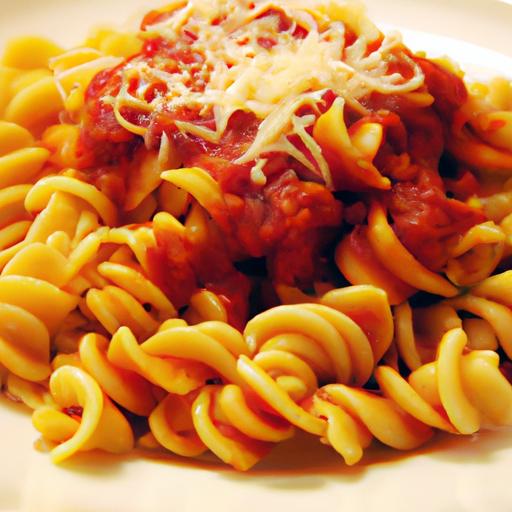
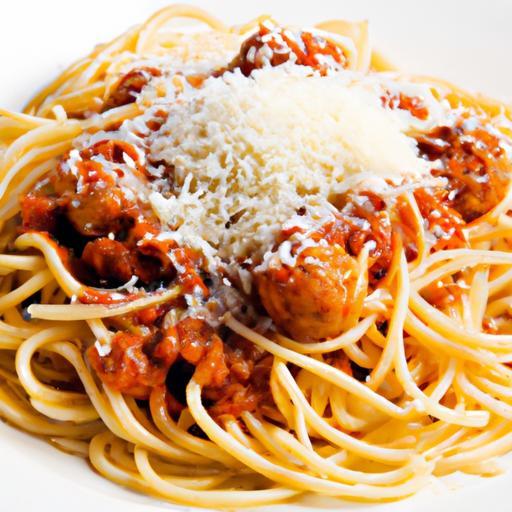
Serve pasta on a warm plate to keep it at its best. Fresher shapes like farfalle pair beautifully with chunky tomato sauces and ribbons of fresh basil. Light spaghetti tossed in garlic and olive oil shines with a sprinkling of red chili flakes and a finely grated Parmesan finish.Complement your pasta with a crisp green salad and crusty artisan bread. A final drizzle of high-quality extra virgin olive oil adds fragrance and sheen, inviting diners to savor each bite.

Nutritional Facts per Serving
| Calories | Protein | Carbohydrates | Fat |
|---|---|---|---|
| 380 kcal | 14 g | 65 g | 5 g |
For further inspiration on authentic Italian sauces,explore this detailed guide from Serious Eats. Don’t forget to check our collection of authentic Italian pasta recipes to continue your journey with texture and flavor mastery.
Q&A
Q&A: inside the Spaghetti Factory: A Journey Through Pasta Making
Q1: What inspired the creation of the Spaghetti Factory?
A1: The Spaghetti Factory was born from a passion for transforming simple ingredients-flour, water, and a pinch of salt-into an extraordinary culinary experiance. Its creators wanted to celebrate the art of pasta making, from kneading dough to the final twirl of spaghetti on a fork, capturing the magic of tradition and innovation in every strand.
Q2: How does the pasta-making process at the factory start?
A2: It all begins with selecting high-quality durum wheat semolina, renowned for its golden hue and firm texture. The semolina is expertly mixed with water to form dough,which is then rested to develop its elasticity-an essential step for perfect spaghetti strands.
Q3: What makes the spaghetti from the factory different from store-bought varieties?
A3: Unlike mass-produced pasta, spaghetti from the factory is crafted with attention to every minute detail.The dough’s hydration, resting time, and extrusion through bronze dies enhance its texture, making it slightly rougher-ideal for soaking up sauces and delivering a more authentic bite.Q4: Are there unique techniques used in shaping the spaghetti?
A4: Indeed! The factory employs traditional bronze extruders that gently push the dough to create long, thin strands. This method preserves the pasta’s firm texture and helps it hold sauce better than smooth, teflon-cut pasta.
Q5: How is quality controlled throughout the pasta-making journey?
A5: Quality is monitored at every stage-from ensuring the perfect dough consistency, to measuring the exact drying temperature and humidity. These controls prevent brittleness or under-drying, resulting in pasta that cooks evenly and retains an al dente quality.
Q6: What role does drying play in making the perfect spaghetti?
A6: Drying is crucial! The factory uses a slow, low-temperature drying process that locks in the pasta’s flavor and structure, avoiding cracks and brittleness. This patience ensures that the spaghetti maintains its integrity from factory floor to your plate.
Q7: Can visitors experience the pasta-making process firsthand?
A7: Absolutely! The factory offers immersive tours where guests witness the change of simple ingredients into golden spaghetti strands. Interactive exhibits allow visitors to try their hand at kneading dough and shaping pasta, making it a deliciously educational adventure.
Q8: What innovations is the factory exploring in pasta making?
A8: The factory is continuously experimenting with organic grains, gluten-free varieties, and enriched pastas infused with natural flavors like spinach and beetroot. These innovations aim to broaden the pasta experience without compromising the traditional methods that define its quality.
Q9: How does the factory contribute to sustainability?
A9: Sustainability is key. The factory prioritizes sourcing local grains, reducing water usage during production, and utilizing energy-efficient drying technologies.Packaging is designed to be recyclable,reflecting a commitment to environmental responsibility alongside culinary excellence.
Q10: What is the ultimate takeaway from a journey inside the Spaghetti Factory?
A10: It’s a celebration of craft, patience, and passion behind every strand of spaghetti. Beyond being a staple food, spaghetti becomes a canvas for creativity and tradition, reminding us that even the simplest ingredients can create something extraordinary when treated with care.
In Retrospect
As the final strands of dough are transformed into delicate ribbons and twirls, the journey through the Spaghetti Factory reveals more than just a recipe-it uncovers a world where tradition meets precision, and passion blends with craftsmanship. From the initial mixing of simple ingredients to the drying rooms where pasta gains its signature texture, every step tells a story of dedication and artistry. Whether you savor spaghetti al dente on your plate or marvel at the machinery weaving its magic behind the scenes, the voyage through pasta making invites us to appreciate the humble noodle in an entirely new light. Next time you twirl your fork, remember: you’re not just eating pasta-you’re tasting the heart of a timeless craft.