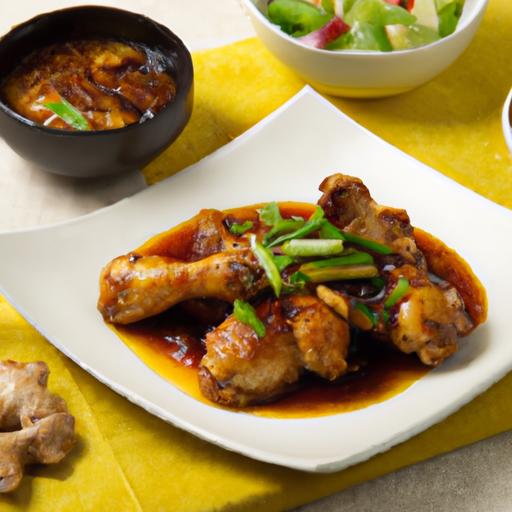

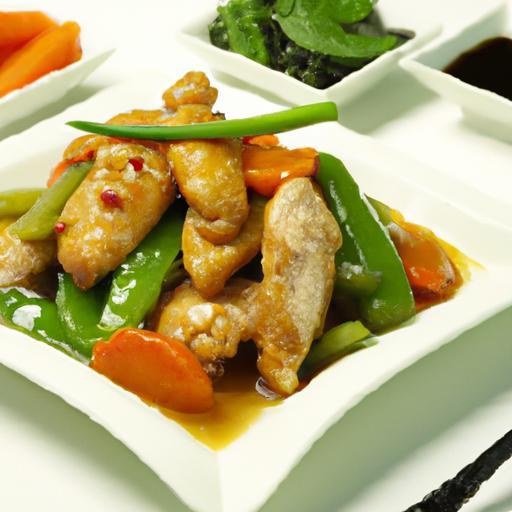
In the vibrant tapestry of Chinese cuisine, few dishes ignite the senses quite like hot and spicy chicken. A harmonious blend of bold flavors, sizzling heat, and masterful technique, this culinary art form transforms humble ingredients into an unforgettable feast for both palate and soul. “Fiery Flavors Unveiled: The Art of Hot & Spicy chinese Chicken” delves deep into the origins, regional variations, and secret spice blends that make these dishes beloved across China and beyond. Join us as we explore the rich history and intricate craftsmanship behind every bite,revealing how heat and harmony come together to create a true masterpiece of flavor.
Fiery flavors are at the heart of some of the most memorable culinary experiences in Chinese cooking, especially when it comes to hot and spicy chicken. This tantalizing dish draws rich inspiration from regional hot spots like Sichuan and Hunan provinces, where the artful blend of heat, aroma, and texture makes every bite an unforgettable journey. From the bold numbing kick of Sichuan peppercorns to the vibrant chili paste of Hunan cuisine, mastering these elements brings those fiery flavors alive in your own kitchen.
Prep and Cook Time
- Preparation Time: 20 minutes
- Cooking Time: 25 minutes
- Total Time: 45 minutes
Yield
Serves 4 hearty portions, perfect for a family meal or lively dinner with friends.
Difficulty Level
Medium: Ideal for cooks ready to explore authentic Chinese spicy notes with approachable techniques.
Ingredients
- 500g boneless chicken thighs, cut into 1-inch chunks
- 2 tbsp cornstarch, for coating
- 3 tbsp vegetable oil, divided
- 2 tbsp chili bean paste (Doubanjiang), fermented chili sauce
- 1 tbsp Sichuan peppercorns, toasted and lightly crushed
- 4 cloves garlic, finely minced
- 1-inch piece fresh ginger, grated
- 1 red chili, thinly sliced (adjust for heat preference)
- 1 tbsp soy sauce, light
- 1 tbsp Chinese black vinegar
- 1 tsp sugar, balances the heat
- 3 spring onions, chopped for garnish
- 1/2 cup toasted peanuts, optional but adds crunch
- Fresh cilantro leaves, for finishing
- Cooked jasmine rice, to serve alongside
Instructions
- Prepare the chicken: Toss the chicken chunks with cornstarch until evenly coated. This will create a crispy layer once fried.
- Heat 2 tbsp vegetable oil in a wok or large skillet over medium-high heat.When shimmering, add the chicken pieces in a single layer. Fry until golden and crisp,about 5-7 minutes,turning occasionally. Remove and drain on paper towels.
- In the same wok, reduce the heat to medium and add remaining 1 tbsp oil. Stir in garlic, ginger, and red chili until fragrant, approximately 30 seconds.
- Add chili bean paste and crushed Sichuan peppercorns. Stir frequently and cook for 2 minutes, allowing the deep, aromatic flavors to release and infuse the oil.
- Return the chicken to the wok and toss to coat with the spicy sauce.
- Add soy sauce, black vinegar, and sugar. Combine well and cook for another 2-3 minutes to balance the heat and develop a glossy coating.
- Remove from heat and garnish generously with chopped spring onions, toasted peanuts, and fresh cilantro.
- Serve immediately over steamed jasmine rice to soak up the fiery, aromatic sauce.
Tips for Success
- Use boneless chicken thighs for juicier, more flavorful results than breast meat.
- Toast Sichuan peppercorns just before use to awaken thier unique numbing aroma; avoid grinding them too finely to retain texture.
- Adjust chili bean paste levels depending on your heat preference-start with less and build intensity gradually.
- For a smoky touch, you can add a dash of smoked chili powder or a splash of toasted sesame oil at the end.
- To save time, marinate chicken in soy sauce and cornstarch for 15 minutes beforehand-this tenderizes and enhances flavor absorption.
- Ensure your wok or pan is hot enough before frying for perfect crispiness.
Serving Suggestions
This dish shines when served with steaming bowls of fragrant jasmine rice or as part of a larger Chinese feast. Garnish with a handful of toasted peanuts for a crunchy counterpoint and freshly chopped cilantro for a burst of herbaceous brightness. A side of stir-fried greens like bok choy or sautéed garlic spinach complements the dish’s bold flavors with fresh vibrancy. For added sensory play, serve alongside a cool cucumber salad to soothe the palate between bites.

| Nutrient | amount per Serving |
|---|---|
| Calories | 420 kcal |
| Protein | 35g |
| Carbohydrates | 18g |
| Fat | 22g |
For more spicy Chinese recipes, explore our guide on Szechuan Cuisine Hot Delights. to deepen your knowledge of authentic chili bean paste, check out this comprehensive resource from the China Sichuan Food website.
Q&A
Q&A: Fiery Flavors Unveiled: The Art of Hot & Spicy Chinese Chicken
Q1: What makes chinese hot and spicy chicken distinct from other spicy chicken dishes around the world?
A1: Chinese hot and spicy chicken distinguishes itself through it’s masterful balance of numbing Sichuan peppercorns, vibrant chili peppers, and aromatic ingredients like ginger and garlic. This creates a layered experience-fiery heat softened by a unique tingly sensation,combined with bold,savory depth that dances on the palate rather than overwhelms it.
Q2: Which regions in China are most famous for their spicy chicken recipes?
A2: Sichuan and Hunan provinces reign supreme when it comes to fiery chicken dishes. Sichuan cuisine is renowned for its “mala” (numbing and spicy) flavors, while Hunan cuisine emphasizes pure, intense heat frequently enough crafted with fresh chili peppers. Both regions celebrate chicken as a perfect protein to carry these robust flavors.
Q3: What are the essential ingredients to master the authentic spicy Chinese chicken flavor?
A3: To capture authentic spicy chicken, start with dried red chilies, fresh chili peppers, and Sichuan peppercorns for that signature tingling heat. Aromatics like garlic, ginger, and scallions build the flavor base. Soy sauce, chili bean paste (doubanjiang), and Shaoxing cooking wine add savoriness and complexity, rounding out the dish’s bold personality.
Q4: How does the cooking technique influence the flavor and texture of spicy Chinese chicken?
A4: Technique is everything. Many spicy Chinese chicken recipes call for deep-frying the chicken first to achieve a crispy exterior that holds up against the sauce. The stir-fry process then quickly infuses the meat with heat and aroma without drying it out. This contrast between crispy texture and fiery sauce defines the dish’s irresistible appeal.
Q5: Can you explain the role of Sichuan peppercorns and how they enhance the spicy chicken experience?
A5: Sichuan peppercorns add a unique numbing sensation known as “mala” that complements the chili heat rather than simply increasing it. This tingling feeling on the tongue and lips creates a sensory balance, making the spiciness feel more complex and nuanced. They’re not just spicy-they elevate the entire flavor profile of the dish.
Q6: how can a home cook adjust the heat level while still maintaining authenticity?
A6: Adjusting heat can be as simple as varying the amount and type of chilies used. For a milder version, reduce dried chili quantity or remove the seeds, and substitute some fresh red chilies with milder varieties like bell peppers. however, maintaining key ingredients like Sichuan peppercorns and doubanjiang ensures the dish retains its authentic character even at lower spice levels.
Q7: What side dishes or accompaniments pair well with hot and spicy Chinese chicken?
A7: Hot and spicy chicken pairs beautifully with cooling, neutral sides to balance its fiery intensity. Steamed jasmine rice or lightly stir-fried greens like bok choy provide relief. Simple cucumber salad or cold tofu dressed with sesame can also soothe the palate. These contrasts highlight the chicken’s complex flavors without competing.
Q8: Are there vegetarian alternatives that can replicate the fiery spirit of this dish?
A8: Absolutely! while chicken is conventional, firm tofu or textured vegetable protein can absorb spicy sauces beautifully. Using the same marinade and sauce techniques helps maintain the dish’s essence. Incorporating seitan or mushrooms can offer satisfying texture and umami, carrying the vibrant heat in a plant-based way.Q9: What cultural significance does hot and spicy chicken hold in Chinese cuisine?
A9: Beyond its bold taste, hot and spicy chicken reflects the ingenuity of Chinese regional cooking-melding local ingredients and techniques to create dishes that are both comforting and adventurous. It symbolizes warmth and communal sharing, often enjoyed during social gatherings, celebrating both the culinary heritage and the joy of fiery flavor.
Q10: How has modern Chinese cooking evolved traditional spicy chicken recipes?
A10: Contemporary chefs experiment with fusion flavors, varied cooking methods like air frying, and new ingredient combinations while honoring traditional spice foundations. This evolution invites broader audiences to experience the heat and complexity of Chinese spicy chicken in innovative presentations-keeping the fiery legacy alive and vibrant.
Concluding Remarks
As the final notes of heat linger on your palate, it becomes clear that the art of hot and spicy Chinese chicken is much more than just a culinary choice-it’s a bold celebration of culture, technique, and passion. from the sizzling woks to the carefully balanced spices, each fiery bite tells a story of tradition and innovation intertwined. Whether you crave the tongue-tingling kick of Sichuan peppercorns or the smoky warmth of chili oil, these dishes invite you to embrace the exhilarating dance of flavors that define Chinese cuisine’s fiery frontier. So next time you crave a meal that ignites both your senses and your soul, remember: in every blazing bite lies a masterclass in the art of spice.