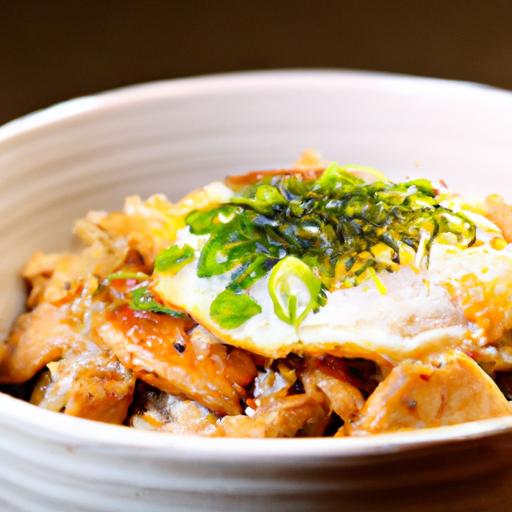

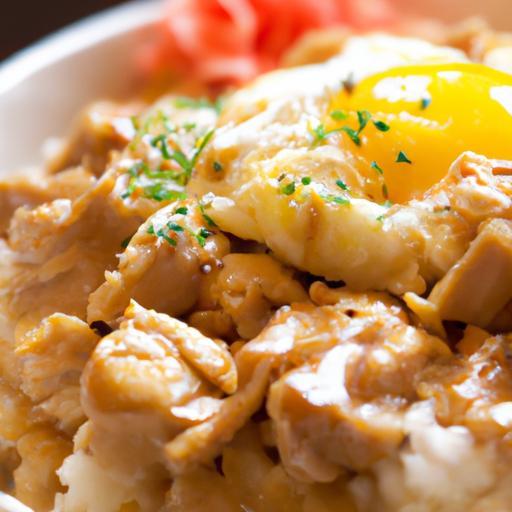
In the vast and vibrant tapestry of japanese cuisine, few dishes capture the essence of home-cooked comfort quite like oyakodon. Translating to “parent-and-child bowl,” this heartwarming chicken and egg rice bowl is a culinary embrace-melding tender pieces of chicken with silky, simmered eggs over a steaming bed of rice. More than just a meal, oyakodon tells a story of simplicity, tradition, and nourishment that resonates deeply within Japan’s food culture. Join us as we explore the origins, flavors, and enduring appeal of this beloved dish that continues to warm both kitchens and hearts across the world.
Oyakodon, Japan’s heartwarming chicken & egg rice bowl delight, offers a comforting embrace in a bowl that’s been cherished for generations. This iconic dish, translating literally to “parent-and-child donburi,” beautifully symbolizes the harmonious relationship between tender chicken and fluffy egg nestled atop steaming white rice. Rooted deeply in Edo-period street food culture, oyakodon remains a beloved staple of Japanese home cooking, celebrated for its simplicity, soulfulness, and balance of flavors. Let this guide inspire you to craft the perfect bowl infused with authentic Japanese culinary tradition and a dash of your own creativity.
prep and Cook Time
- Readiness: 10 minutes
- Cooking: 15 minutes
- Total: 25 minutes
Yield
Serves 2 generous portions
Difficulty Level
Easy - Perfect for beginners looking to dive into traditional Japanese cuisine
Essential Ingredients and Techniques for Authentic Oyakodon
- 2 cups cooked Japanese short-grain rice (preferably freshly steamed and hot)
- 1/2 lb (225g) boneless, skinless chicken thigh, cut into bite-sized pieces
- 3 large eggs, lightly beaten
- 1 small onion, thinly sliced
- 1/2 cup dashi stock (use kombu and bonito flakes for authentic flavor)
- 3 tbsp soy sauce (preferably Japanese soy sauce)
- 2 tbsp mirin (sweet cooking rice wine alternative, alcohol cooks off)
- 1 tbsp sake (Japanese rice wine – optional, can replace with extra dashi for strict alcohol-free)
- 1 tsp sugar
- Chopped green onions or mitsuba leaves for garnish
Step-by-Step Guide to Crafting the Perfect Chicken and Egg Rice Bowl
- Prepare the rice: Ensure your cooked Japanese short-grain rice is warm and fluffy. This not only complements the oyakodon but also soaks up the sauce beautifully.
- Simmer the aromatics: In a medium skillet or donburi pan, combine the dashi stock, soy sauce, mirin, sake, and sugar.Stir over medium heat until the sugar dissolves.
- Add the onion: Layer thinly sliced onions into the simmering broth. Cook gently for about 3-5 minutes until they become translucent and tender,releasing their sweetness.
- Cook the chicken: Nestle the chicken thigh pieces into the simmering liquid. Cover with a lid and let them poach gently for 5-7 minutes, stirring occasionally, until the chicken is cooked through but remains tender.
- Pour the eggs: Lightly beat the eggs in a bowl, then slowly drizzle them over the chicken and onions in a circular motion.Cover immediately and reduce heat to low.
- Perfect the egg texture: Let the eggs steam gently for 1-2 minutes until they are just set but still slightly runny – this silky texture is key for authentic oyakodon.
- Assemble the bowl: Scoop hot rice into serving bowls. Carefully slide the chicken and egg mixture over the rice, making sure to include some of the luscious broth.
- garnish and serve: Finish with a sprinkle of chopped green onions or fresh mitsuba leaves for a burst of color and freshness. Serve immediately for best results.
Recommended Variations and Serving suggestions to Elevate Your Oyakodon Experience
while the traditional oyakodon is satisfying on its own, subtle enhancements can elevate your experience. Consider stirring in finely chopped shiitake mushrooms or a dash of fresh grated ginger into the simmering broth for earthiness and warmth. for a richer flavor, swap chicken thighs for sustainable free-range options, which offer deeper umami.
To present your bowl with flair, serve alongside lightly pickled cucumbers or a small bowl of miso soup. Adding a sprinkle of toasted sesame seeds or a drizzle of shichimi togarashi (Japanese seven-spice) can introduce a gentle heat and complexity. For those seeking a vegetarian twist, silken tofu cubes replace chicken beautifully while maintaining the comforting vibe of this dish.
Tips for Success
- Use fresh eggs for the best silky texture and vibrant flavor.
- Don’t overcook the eggs; they should remain slightly runny for that velvet mouthfeel.
- if you’re short on dashi, high-quality instant dashi powder works well in a pinch.
- Cook rice fresh; day-old rice can be to dry and affect the dish’s harmony.
- For an alcohol-free dish, simply omit sake and adjust the dashi liquid slightly.
- Experiment with garnishes-fresh herbs like cilantro or microgreens add unexpected brightness.
Nutritional Data per Serving
| Calories | protein | Carbohydrates | Fat |
|---|---|---|---|
| 450 kcal | 32 g | 55 g | 9 g |

For more authentic Japanese dishes you’ll love, explore our Japanese Chicken Curry Recipe. To deepen your understanding of dashi and its role in Japanese cooking, visit The Spruce Eats on Dashi.
Q&A
Q&A: Exploring Oyakodon – Japan’s Heartwarming Chicken & Egg Rice Bowl Delight
Q1: What exactly is Oyakodon?
A1: Oyakodon, frequently enough called the “parent-and-child” bowl, is a beloved Japanese dish that features tender simmered chicken and softly cooked eggs, served over steaming white rice. The name reflects its two main ingredients-chicken (parent) and egg (child)-combined in a comforting harmony.
Q2: How is the dish typically prepared?
A2: The magic begins by simmering bite-sized chicken pieces in a savory broth made from dashi (Japanese stock), soy sauce, mirin, and a touch of sugar. Then lightly beaten eggs are poured over the simmering chicken and gently cooked until just set but still soft.This mixture is then ladled onto a bowl of fluffy steamed rice.
Q3: What makes Oyakodon so special in Japanese culture?
A3: Beyond being a tasty meal, Oyakodon is deeply comforting and homey-often considered the ultimate “family” dish. It’s simple, swift to prepare, and evokes feelings of warmth and affection, making it a popular choice for a wholesome, satisfying meal any time of day.
Q4: Can Oyakodon be customized?
A4: Absolutely! While the classic recipe centers on chicken and egg, variations can include adding sliced onions, shiitake mushrooms, or green onions for extra flavor and texture. Some even sprinkle toasted sesame seeds or fresh mitsuba (Japanese parsley) on top for a fragrant finish.Q5: Is Oyakodon tough to make at home?
A5: Not at all! Oyakodon is perfect for cooks of all skill levels. It requires just a handful of common ingredients and comes together in under 30 minutes, making it an ideal weeknight dinner that feels both nutritious and indulgent.
Q6: What kind of rice is best for Oyakodon?
A6: Short-grain Japanese rice is traditionally used for its sticky, slightly chewy texture that holds up beautifully underneath the saucy chicken and egg topping. Cooking the rice properly-a little sticky but not mushy-is key to the dish’s authentic experience.Q7: how dose Oyakodon compare to other Japanese rice bowl dishes?
A7: Oyakodon stands out for its gentle, mellow flavors and soft textures, especially due to the silky eggs gently cooked on top. unlike more intense bowls like gyudon (beef bowl) or karaage don (fried chicken bowl), Oyakodon offers a subtle blend of savory sweetness and homey goodness, making it uniquely soothing.
Q8: Can Oyakodon be enjoyed cold or is it best freshly made?
A8: Oyakodon is best enjoyed fresh and warm, as the eggs are at their softest and the broth-infused chicken is at peak juiciness.Eating it right away assures the perfect harmony of textures and flavors, though leftovers can still be reheated gently if needed.
Q9: Are there any regional twists on the traditional Oyakodon?
A9: Yes! While the core concept remains, some regions add unique touches-like using local mushrooms or a dash of yuzu citrus zest for brightness.These subtle adaptations celebrate local ingredients while honoring the comfort of the original dish.
Q10: Why should someone new to japanese cuisine try Oyakodon first?
A10: Oyakodon’s simple ingredients, balanced flavors, and heartwarming nature make it an inviting introduction to Japanese cooking. It’s approachable,nourishing,and showcases key elements of japanese culinary philosophy-honesty,balance,and the joy of everyday meals.
Wrapping Up
Whether enjoyed at a bustling Tokyo eatery or lovingly prepared in a cozy home kitchen, oyakodon remains a timeless symbol of comfort and connection in Japanese cuisine. This humble chicken and egg rice bowl, with its delicate balance of savory flavors and tender textures, invites us to savor not just a meal but a story-one that celebrates family, tradition, and the simple joys found in a single bowl. Next time you crave something both nourishing and nostalgic, let oyakodon remind you why food can be so much more than sustenance; it can be a heartfelt experience that warms the soul.