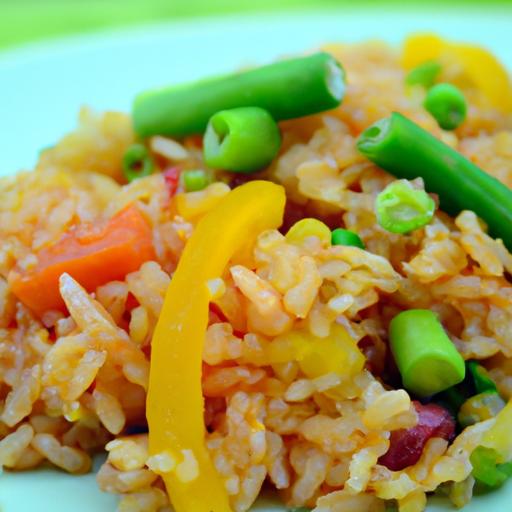

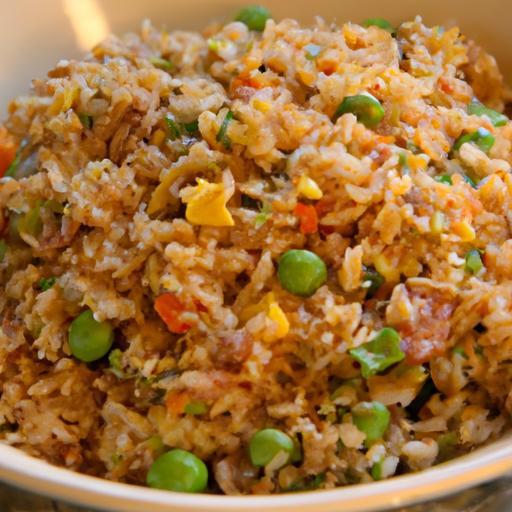
When it comes to comfort food, few dishes are as beloved and versatile as fried rice. But for those managing diabetes, the rich flavors and carb-heavy nature of traditional fried rice can pose challenges. What if you could indulge in this classic favorite without compromising your health goals? Enter our flavorful diabetic-friendly fried rice-a vibrant,nourishing twist on a timeless recipe. Packed with wholesome ingredients, balanced with low glycemic carbs, and bursting with fresh herbs and spices, this dish redefines what it means to eat well while savoring every bite.Join us as we explore how to make fried rice both tasty and diabetes-conscious, proving that healthy eating doesn’t have to be bland or boring.
flavorful Diabetic-Friendly Fried Rice brings a vibrant celebration of textures and tastes that not only satisfies your palate but also supports balanced blood sugar levels. Drawing inspiration from classic Asian fried rice but reimagined with nutrient-rich ingredients and smart choices, this dish proves that managing diabetes doesn’t mean sacrificing flavor. Imagine fluffy, aromatic rice mingled with crisp vegetables and savory proteins, all united by a hint of garlic and a splash of low-sodium soy sauce to boost umami without the sugar spike.
Prep and Cook Time
Prep: 15 minutes | Cook: 15 minutes | Total: 30 minutes
Yield
Serves 4 generous portions
Difficulty Level
Easy
Ingredients
- 2 cups cooked brown rice (preferably chilled overnight for better texture)
- 1 tablespoon extra virgin olive oil or avocado oil
- 1 small onion, finely diced
- 2 cloves garlic, minced
- 1 cup broccoli florets, chopped into bite-sized pieces
- 1 cup bell peppers, diced (use a mix of red and yellow for vibrant color)
- ½ cup snap peas, trimmed and halved
- 3 large eggs, lightly beaten
- 1 cup cooked skinless chicken breast, shredded or cubed
- 3 tablespoons low-sodium soy sauce or tamari for gluten-free
- 1 teaspoon freshly grated ginger
- ½ teaspoon cracked black pepper
- 2 scallions, thinly sliced (white and green parts separate)
- 1 tablespoon toasted sesame seeds (optional, for garnish)
- Fresh cilantro leaves for garnish
Instructions
- Prepare the rice: Ensure your brown rice is cooked and chilled, ideally overnight, to prevent clumping and create the perfect texture for frying.
- Heat the oil: Warm the extra virgin olive oil in a large non-stick skillet or wok over medium-high heat until shimmering.
- Sauté aromatics: Add the diced onion and cook until translucent and fragrant, about 3 minutes. Stir in minced garlic and grated ginger, cooking for another 30 seconds to unlock their flavors.
- Cook vegetables: Toss in the broccoli florets, bell peppers, and snap peas. Stir-fry for 4-5 minutes until vegetables are crisp-tender, retaining their vibrant color and nutrients.
- Set vegetables aside: Transfer the cooked vegetables to a bowl and set aside to make room for eggs.
- Scramble eggs: Pour beaten eggs into the skillet. Gently scramble until just set, avoiding overcooking to keep them moist and fluffy.
- Add protein and rice: Return vegetables to the skillet, add the chicken, and then fold in the chilled brown rice. Stir constantly to combine all ingredients evenly.
- Season: Drizzle with low-sodium soy sauce and season with cracked black pepper. stir-fry for an additional 3-4 minutes, allowing the rice to heat through while absorbing the savory sauce.
- Finish with scallions: Stir in the white parts of the scallions during the last minute of cooking. Reserve the green parts for garnish.
- Serve: Plate the fried rice and sprinkle with toasted sesame seeds, chopped green scallions, and fresh cilantro leaves for a burst of color and fresh herbal notes.
Choosing the Right Ingredients for Balanced Blood Sugar
Leveraging brown rice as the base delivers complex carbohydrates with a low glycemic index, promoting gradual glucose release. Incorporating a variety of nutrient-dense vegetables like broccoli and bell peppers boosts fiber intake, wich helps moderate blood sugar spikes, while providing antioxidants and vibrant colors that excite the senses. Using skinless chicken breast offers lean protein essential for satiety and stable blood sugar. Avoiding simple sugars and processed sauces supports clean, diabetes-friendly cooking.
Incorporating Nutrient-Dense Vegetables for Enhanced Flavor
Select vegetables that contribute both crunch and natural sweetness without overwhelming the dish with carbs. The choice of snap peas adds a juicy snap, while broccoli florets bring a subtle earthiness and a satisfying bite. These vegetables are high in fiber and key vitamins like C and K. The vibrant bell peppers not only decorate the plate but provide additional nutrients and a slight sweetness, balancing the savory umami from soy sauce and ginger.
Smart Protein Options to Keep You Satisfied
Protein plays a crucial role in blood sugar stabilization and hunger control. Eggs introduce a luxurious creaminess and delicate texture, binding the dish together, while chicken breast supplies lean muscle-building protein without added fat. For plant-based variations, consider substituting cooked edamame or tofu, maintaining protein density and making the dish inclusive for diverse dietary needs.
Cooking Techniques to Maximize Taste and Health Benefits
Using high-quality oils like extra virgin olive oil enhances healthy fat content and promotes absorption of fat-soluble vitamins. Stir-frying on medium-high heat quickly sears ingredients, locking in texture and nutrients, while preventing sogginess. Chilling the rice prior to cooking prevents clumping and enables a perfect separation of grains for a fluffy mouthfeel. The gentle scramble of eggs ensures moisture retention, avoiding dryness. adding soy sauce toward the end concentrates savory flavors without overwhelming the dish.
Tips for Success
- Use day-old brown rice chilled in the fridge-freshly cooked rice tends to be mushy in fried rice recipes.
- Prep all vegetables and proteins before heating the pan; stir-frying moves quickly, so readiness is key.
- For extra crunch, toss in a handful of roasted cashews just before serving.
- Adjust seasoning with low-sodium soy sauce to control sodium intake, or swap for coconut aminos.
- Make it a make-ahead meal by refrigerating leftovers in an airtight container for up to 3 days-reheat on the stovetop or microwave with a splash of water.
Serving Suggestions
Present this colorful Flavorful diabetic-Friendly Fried Rice on a large, shallow platter to showcase the contrasting hues of vegetables and garnish. Add a wedge of lime on the side for a fresh citrus kick, or serve alongside a crisp cucumber salad to complement the warmth of the fried rice. Garnish generously with sliced scallions, toasted sesame seeds, and a few sprigs of fresh cilantro to elevate both aroma and presentation.

| Nutrient | Per Serving |
|---|---|
| Calories | 320 kcal |
| Protein | 28 g |
| Carbohydrates | 35 g |
| Fat | 8 g |
For further tips on diabetic-friendly meals that keep you energized, check out our low glycemic breakfast recipes. To learn more about the impact of fiber and complex carbs on blood sugar, visit the American Diabetes Association Nutrition Page.
Q&A
Q&A: Flavorful diabetic-Friendly Fried Rice – A Healthy Twist Recipe
Q1: What makes this fried rice diabetic-friendly compared to traditional recipes?
A1: This version swaps out high-glycemic white rice for a blend of brown rice or cauliflower rice, which have a lower impact on blood sugar.Plus, it emphasizes fresh vegetables, lean proteins, and heart-healthy oils, helping to stabilize blood glucose levels without sacrificing flavor.
Q2: Can I use regular white rice if I don’t have brown or cauliflower rice on hand?
A2: While brown or cauliflower rice is best for blood sugar control, you can use white rice in moderation. To reduce its glycemic impact, cook it with extra water for fluffiness and combine it with plenty of fiber-rich veggies and protein as in the recipe.
Q3: What kinds of proteins work best in this diabetic-friendly fried rice?
A3: Choose lean proteins like skinless chicken breast, turkey, tofu, shrimp, or egg. These options provide muscle-sustaining nutrients without the added saturated fat, and they help slow digestion, keeping blood sugar stable.
Q4: How do the vegetables in this fried rice support diabetic health?
A4: vegetables like bell peppers,broccoli,carrots,and snap peas add fiber,vitamins,and antioxidants. Fiber slows sugar absorption, improves digestion, and supports overall metabolic health – crucial for diabetes management.
Q5: Are there particular spices or sauces that enhance flavor without raising sugar?
A5: Absolutely! Fresh ginger, garlic, scallions, and a splash of low-sodium soy sauce or tamari pack flavor without added sugars.Adding a dash of chili flakes or lemon juice can brighten the dish naturally.
Q6: Can this fried rice be made ahead and stored? How well does it keep?
A6: Yes! It keeps beautifully for up to 3 days refrigerated. For best taste and texture, reheat gently on the stovetop or microwave, adding a sprinkle of water if needed to restore moisture.
Q7: Is this recipe suitable for people following low-carb diets as well?
A7: When prepared with cauliflower rice instead of grain-based rice, this fried rice becomes a great low-carb option, making it flexible for varying dietary preferences while keeping it diabetes-conscious.
Q8: How can I add variety to this diabetic-friendly fried rice?
A8: Swap or rotate your veggies based on season-think zucchini, asparagus, or mushrooms-and try different herbs like cilantro or basil. For protein, experiment with cooked chickpeas or edamame for a plant-powered boost.
Q9: Does the recipe include healthy fats, and why are they significant?
A9: Yes! Using oils like extra virgin olive oil or avocado oil adds heart-healthy fats that support cellular health and help slow carbohydrate absorption, contributing to balanced blood sugar levels.
Q10: what tips do you have for someone new to cooking diabetic-friendly meals?
A10: Focus on whole foods,balance your plate with fiber,protein,and healthy fats,and don’t be afraid to use herbs and spices to keep meals exciting. This fried rice recipe is a delicious way to start blending health with flavor effortlessly!
Concluding remarks
Bringing a delicious, diabetic-friendly twist to a beloved classic like fried rice proves that healthy eating doesn’t have to be boring or bland. This flavorful recipe not only satisfies your taste buds but also supports your wellness goals with balanced ingredients and mindful readiness.Whether you’re managing blood sugar levels or simply seeking a nourishing meal, this vibrant dish shows that creativity in the kitchen can transform everyday favorites into nutritious delights. So go ahead-savor each bite knowing you’re treating yourself to both taste and health in perfect harmony.