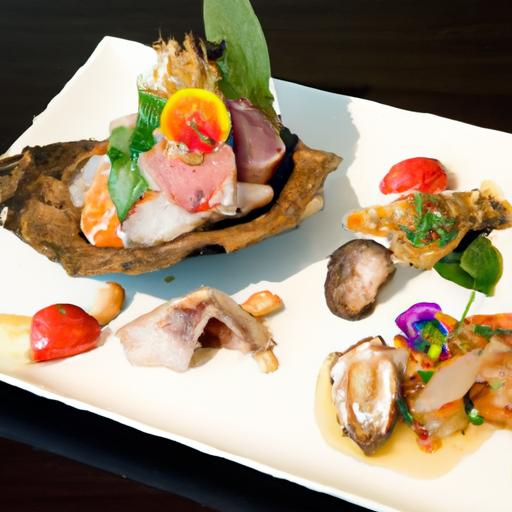

in the world of culinary excellence, few names resonate as profoundly as Nobu. More than just a restaurant, Nobu is a symphony of artistry, innovation, and cultural heritage, where each dish tells a story and every detail reflects a legacy carefully crafted over decades. “Discovering Nobu: The Art and Legacy Behind the Name” invites you on a journey beyond the tantalizing flavors and sleek aesthetics, diving deep into the visionary spirit of Chef Nobu Matsuhisa and the global phenomenon he created. This exploration uncovers how tradition intertwines with modernity, transforming simple ingredients into groundbreaking masterpieces and elevating Nobu from a name into an enduring symbol of culinary artistry.
Discovering Nobu’s groundbreaking approach to flavor is best experienced through its iconic Black Cod Miso, a dish that perfectly embodies the balance of tradition and innovation central to the Nobu culinary philosophy. Originating from Nobu matsuhisa’s fusion of Japanese techniques with Peruvian influences, this recipe captures an unforgettable harmony of silky, buttery fish enriched with a sweet-savory miso marinade. It invites both home cooks and seasoned chefs to dive into a world where simplicity meets intricate flavor layering.
Prep and Cook Time
- Prep time: 15 minutes
- Marinating Time: 24 hours (recommended)
- Cook Time: 12-15 minutes
Yield
serves 4 elegantly plated portions
Difficulty Level
Medium – ideal for curious cooks ready to explore Japanese-inspired seafood
Ingredients
- 4 black cod fillets (6 oz each,skin on,pin-boned)
- 1/2 cup white miso paste
- 1/4 cup sake (rice wine)
- 1/4 cup mirin (sweet Japanese rice wine)
- 3 tablespoons granulated sugar
- 1 tablespoon light soy sauce
- 1 teaspoon freshly grated ginger
- Sesame seeds and thinly sliced green onions for garnish
- Lemon wedges (optional,for brightness)
Instructions
- Prepare the marinade: in a clean bowl,whisk together white miso paste,sake,mirin,sugar,soy sauce,and grated ginger until fully combined and smooth.
- Marinate the cod: Pat dry the black cod fillets with paper towels. Place them in a shallow glass dish, skin side down, and pour the marinade over the fillets, ensuring evenly coated. Cover and refrigerate for at least 24 hours to allow deep flavor infusion.
- Preheat the oven: Set your oven to 400°F (200°C).Remove the cod from the marinade, gently wiping off excess miso to prevent burning, but leaving a thin layer of marinade on the surface for caramelization.
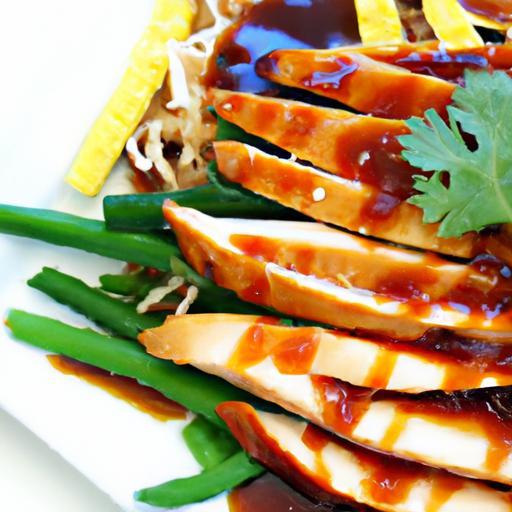
- Bake the cod: Line a baking tray with parchment paper or foil and place the fillets skin side down.Bake for 12-15 minutes until the fish is opaque and flakes easily. The miso will form a beautiful golden crust-watch carefully to avoid charring.
- rest and plate: let the cod rest for 2 minutes before serving.this brief pause locks in moisture for maximum tenderness.
- Garnish and serve: Sprinkle with toasted sesame seeds and sliced green onions. Add a lemon wedge on the side to brighten the rich flavors per diner’s preference.
Chef’s Notes & Tips for Success
- Marination time Is Key: Don’t rush the 24-hour marination period. The magic of this dish lies in the depth of the mellow-sweet miso soak.
- Miso Variations: While white miso delivers a subtle sweetness, yellow miso can be substituted for earthier results.
- Cooking Alternatives: For a smokier flavor, try grilling the cod skin side down instead of baking, watching carefully to prevent flare-ups.
- Make-Ahead: This dish can be marinated the day before a dinner party and baked just before serving, making it perfect for elegant gatherings.
- Skin Care: To ensure crispy skin, pat fish dry thoroughly before marinating and use high-quality non-stick or well-oiled bakeware.
Serving Suggestions
Present the Black Cod Miso on minimalist white plates to highlight its gorgeous caramelized surface.Pair with a side of gently steamed jasmine rice or a light cucumber and daikon salad dressed with rice vinegar to balance the richness. Complement the meal with a chilled glass of green tea or sparkling yuzu water for a refreshing palate cleanser. Garnishing with microgreens or edible flowers heightens visual elegance and provides a fresh bite. This dish truly shines when given the space to be the centerpiece of a refined Japanese-fusion feast.

| Nutrient | per Serving |
|---|---|
| Calories | 350 kcal |
| Protein | 30 g |
| Carbohydrates | 12 g |
| Fat | 18 g |
Discover More Culinary Inspirations
Unlock deeper insights into Japanese techniques and fresh interpretations by exploring our complete guide to Japanese fusion cooking.For an authoritative perspective on miso and its health benefits, visit Healthline’s detailed miso article.
Q&A
Q&A: Discovering nobu – The Art and Legacy Behind the Name
Q1: What is the essence of nobu’s culinary philosophy?
A1: At the heart of Nobu lies a seamless blend of traditional Japanese techniques and bold,innovative flavors. The philosophy celebrates simplicity paired with complexity-each dish crafted to honor the purity of ingredients while inviting diners on a vibrant journey of taste and texture.
Q2: how did Nobu Matsuhisa’s background influence the restaurant’s unique style?
A2: Nobu Matsuhisa’s travels across South America,notably Peru,left an indelible mark on his culinary approach. By integrating Peruvian influences like citrus and native spices with classic Japanese precision, Nobu created a transcultural menu that feels both familiar and groundbreaking, turning every plate into a story of exploration.
Q3: What makes Nobu’s approach to seafood distinctive?
A3: Nobu treats seafood as a delicate art form, where freshness meets creativity. Ingredients like black cod and yellowtail are elevated through signature marinades and preparation methods, such as the famed miso-marinated black cod, showcasing a balance of umami, subtle sweetness, and smoky undertones that excite the palate.
Q4: In what ways does Nobu honor tradition while pushing culinary boundaries?
A4: Nobu respects the meticulous discipline of Japanese culinary tradition-from knife skills to plating aesthetics-but isn’t afraid to experiment. By fusing ingredients across global cultures and employing modern cooking techniques, Nobu bridges heritage and innovation, preserving authenticity while reimagining possibilities.
Q5: How has Nobu’s legacy expanded beyond just a dining experience?
A5: Nobu’s legacy is as much about lifestyle as it is indeed about food.It has become a symbol of refined taste, elegance, and cultural fusion, influencing hospitality, design, and global culinary trends. Each restaurant embodies a space where art, community, and exceptional cuisine coalesce, inviting guests to experience more than a meal-it’s a lasting impression.
Q6: What role does aesthetics play in Nobu’s dishes?
A6: Presentation at Nobu is a harmonious extension of the food’s flavor and story. Plates are crafted with an artist’s eye-balance, color, and texture combine to engage the senses fully. This visual poetry not only enhances the dining experience but pays homage to the Japanese tradition of appreciating the beauty in simplicity.
Q7: Why is Nobu considered a pioneer in modern Japanese dining?
A7: By embracing multicultural influences and redefining what Japanese cuisine can be, Nobu created a new culinary language that resonates worldwide. This pioneering spirit broke conventions, inspiring chefs and guests alike to view food as a dynamic, evolving form of expression rather than a static set of traditions.
Q8: How does Nobu ensure quality and authenticity across its global locations?
A8: Maintaining Nobu’s signature excellence involves rigorous sourcing standards, training, and a shared dedication to the founder’s vision. Each location mirrors the original spirit while adapting subtly to local ingredients and tastes, ensuring that every dish served worldwide carries Nobu’s unmistakable mark of craftsmanship and care.
Closing Remarks
As we close the chapter on our journey through Nobu’s world, it becomes clear that this name is far more than a brand-it is a living tapestry woven from the threads of innovation, tradition, and passion. Behind every exquisite dish and every meticulously crafted space lies a story that honors heritage while boldly shaping the future of culinary art. Discovering Nobu means embracing a legacy where every flavor tells a story, and every experience invites you to become part of an evolving masterpiece. In understanding Nobu, we don’t just savor a meal-we partake in an enduring narrative of creativity and culture that continues to inspire and captivate palates worldwide.