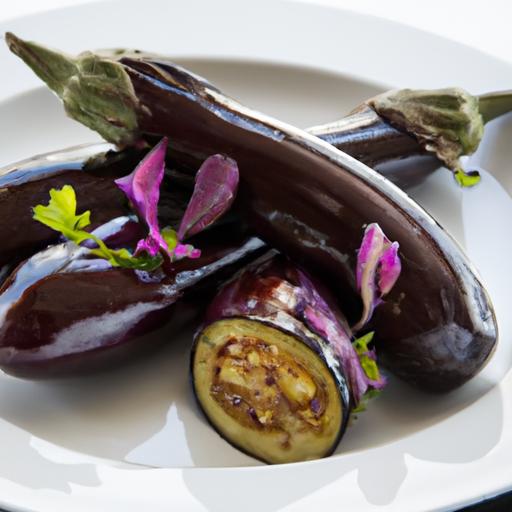

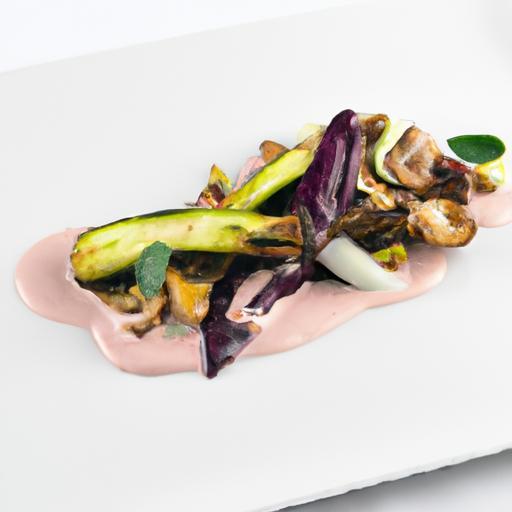
In the vibrant tapestry of global cuisine, few ingredients capture the inventiveness quite like the aubergine-an enigmatic orb cloaked in luscious shades of purple, rich with history and bursting with culinary potential. Frequently enough overlooked or misunderstood, this humble vegetable, known also as eggplant, carries with it stories from ancient gardens and bustling marketplaces, weaving its deep hues into dishes that span continents and cultures. “Aubergine Unveiled: The Purple Wonder of Global Cuisine” invites you on a flavorful journey to explore the origins, varieties, and versatile uses of this remarkable produce. From smoky Mediterranean grills to fragrant Asian stir-fries, the aubergine is not just an ingredient-it’s a global ambassador of taste, tradition, and innovation waiting to be discovered.
Aubergine unveiled reveals the exceptional journey of this purple marvel that has enchanted kitchens worldwide. From its ancient roots in Asia to the bustling markets of the Mediterranean and the vibrant street food stalls of the Middle East, aubergine has become a beloved canvas for bold flavors and diverse techniques. This recipe showcases not only the aubergine’s rich taste and texture but also unlocks its nutritional bounty, making it a star ingredient for health-conscious gourmets and culinary adventurers alike.
Prep and Cook Time
Preparation: 20 minutes | Cooking: 30 minutes | Total Time: 50 minutes
Yield
Serves 4 hearty portions
Difficulty Level
Medium – Perfect for cooks ready to explore new flavors and techniques
Ingredients
- 2 large aubergines (about 800g),sliced into 1cm thick rounds
- 3 tablespoons extra virgin olive oil
- 1 medium onion,finely chopped
- 3 cloves garlic,minced
- 1 large ripe tomato,diced
- 1 teaspoon smoked paprika
- 1 teaspoon ground cumin
- 1/2 teaspoon chili flakes (optional,for a gentle heat)
- 200g cooked chickpeas (or canned,drained and rinsed)
- Fresh parsley,chopped,for garnish
- Salt and freshly ground black pepper to taste
- Juice of half a lemon
Instructions
- Prepare the aubergines: Lightly salt the aubergine slices and lay them on a rack or paper towels for 15 minutes to draw out excess moisture and bitterness. Rinse and pat dry thoroughly.
- Heat 2 tablespoons of olive oil in a large skillet over medium heat. Add the aubergine slices in batches, sautéing until golden brown and tender, about 4 minutes per side. Transfer to a plate lined with paper towels to absorb any excess oil.
- In the same skillet, add the remaining 1 tablespoon olive oil and reduce heat to medium-low. sauté the chopped onion until translucent,about 5 minutes.
- Add minced garlic, smoked paprika, cumin, and chili flakes, stirring constantly for 1 minute until fragrant, careful not to burn the garlic.
- Stir in diced tomato and cook for another 5 minutes until the tomato softens and blends into a fragrant sauce.
- Add cooked chickpeas and gently fold into the spice blend and tomato mixture. Cook for 3-4 minutes to allow flavors to meld together.
- Return the aubergine slices to the pan, nestling them into the chickpea mixture. Cover and simmer gently for 8 minutes, letting the aubergines absorb the savory sauce.
- finish with lemon juice, adjust seasoning with salt and freshly ground black pepper.
- Serve warm,garnished generously with fresh parsley.
Tips for Success
- Choose aubergines that are firm with smooth skin and no bruises for the best texture.
- Salting is key-this step helps reduce bitterness and prevents soggy aubergine by drawing out moisture.
- Don’t overcrowd the pan when frying aubergines; this ensures even browning and caramelization.
- For a smoky twist, consider finishing the dish with a sprinkle of smoked sea salt or a drizzle of high-quality smoked paprika-infused olive oil.
- Make-ahead pleasant: This dish tastes even better the next day as flavors deepen. Reheat gently on the stove or in the oven at low temperature.
Serving Suggestions
This aromatic aubergine and chickpea medley pairs beautifully with fluffy couscous, nutty quinoa, or warm pita bread. For a vibrant presentation, add a dollop of creamy tahini or a sprinkle of toasted pine nuts. A fresh side salad of cucumbers, tomatoes, and mint elevates the dish with crisp contrast. Garnish liberally with chopped parsley and a light drizzle of extra virgin olive oil to highlight the vibrant colors and textures. The dish is perfect as a main vegetarian entrée or a sumptuous side in a shared mezze spread.

Nutrition Facts per Serving
| Nutrient | Amount |
|---|---|
| calories | 220 kcal |
| Protein | 7g |
| Carbohydrates | 28g |
| Fat | 9g |
| Fiber | 9g |
Discover more about how to incorporate aubergine creatively by visiting our plant-based recipes collection. For an in-depth exploration of aubergine’s nutrients,check the Healthline article on aubergine nutrition.
Q&A
Q&A: Aubergine Unveiled: The Purple Wonder of Global Cuisine
Q1: What is an aubergine, and why is it often called the “purple wonder”?
A1: The aubergine, also known as eggplant, is a vibrant purple vegetable celebrated for its glossy skin and tender, spongy flesh. The nickname “purple wonder” shines a spotlight on its striking color and versatile nature in kitchens around the world. Beyond its beauty, it packs a punch of nutrients and absorbs flavors like a culinary chameleon, making it beloved by home cooks and chefs alike.
Q2: Where does aubergine originate, and how did it travel across the globe?
A2: Aubergines originated in the indian subcontinent thousands of years ago. From there, through trade routes spanning the Middle East, North Africa, and into the Mediterranean, this humble veggie made its way into diverse culinary traditions. Each culture embraced it, adding their unique twist, turning the aubergine into a global ambassador of flavor.
Q3: How does the aubergine’s texture contribute to its role in cooking?
A3: The aubergine’s spongy flesh soaks up oils, spices, and sauces effortlessly, transforming it into a flavor powerhouse. When cooked, it can become silky smooth when roasted or creamy when pureed, providing a luscious contrast to crisp vegetables, chewy grains, or hearty legumes. Its texture adapts beautifully to grilling, frying, baking, and stewing.
Q4: What makes aubergine nutritionally valuable?
A4: Beyond its culinary charm, aubergine is a nutritional gem. It’s low in calories but rich in dietary fiber, antioxidants like nasunin found in its purple skin, vitamins such as B1 and B6, and essential minerals like potassium. these components support heart health, digestion, and have anti-inflammatory properties, making aubergine as nourishing as it is flavorful.
Q5: Which iconic dishes showcase aubergine’s versatility globally?
A5: Aubergine stars in many beloved recipes worldwide. Think of the aromatic baba ganoush from the Middle East, where roasted aubergine is mashed into a smoky, creamy dip. In India, the fiery baingan bharta celebrates smoky mashed aubergine blended with spices.The Mediterranean offers moussaka-a layered oven-baked marvel combining aubergine, tomatoes, and spices. Each dish highlights the veggie’s ability to shine whether as a main attraction or a savory sidekick.
Q6: Are there different varieties of aubergine? How do they impact cooking?
A6: Yes! Aubergines come in all shapes and sizes-from the classic large, egg-shaped deep purple variety to slender Japanese types, tiny white eggplants, and even green-striped cousins. Smaller and thinner varieties tend to have a sweeter, less bitter taste and cook faster, making them ideal for swift sautés or grilling. Larger aubergines hold up well to slow roasting and stuffing adventures.
Q7: What’s the best way to prepare aubergine to unlock its full flavor?
A7: To coax the best texture and flavor, many chefs reccommend salting sliced aubergine and letting it rest to draw out any bitterness and excess moisture. After rinsing and drying, cooking methods such as roasting, grilling, or slow-steaming coax out a rich, caramelized depth.Pairing aubergine with bright herbs, tangy citrus, or smoky spices enhances its natural umami qualities.
Q8: Can aubergine be enjoyed by peopel following special diets?
A8: Absolutely! Aubergine is naturally vegan, gluten-free, and low in fat, making it a wonderful ingredient for plant-based and health-conscious diets. Its hearty texture and ability to absorb flavors make it a perfect stand-in for meat in vegetarian dishes, while its nutrition supports overall wellness.
Q9: What culinary adventures await those willing to experiment with aubergine?
A9: The aubergine offers endless possibilities. From crispy fritters and creamy dips to hearty stews and innovative vegan spreads, its adaptability encourages playful cooking. Try layering it in casseroles, stuffing it with fragrant grains and herbs, or even blending into sauces to add silky texture.For adventurous palates, the aubergine invites culinary creativity in every bite.
Unlock the secrets of the purple wonder and let aubergine transport your taste buds on a global journey full of vibrant colors, rich aromas, and unforgettable flavors!
In Summary
As the journey through the aubergine’s rich tapestry of flavors and cultures comes to a close, it is clear that this humble purple fruit is much more than meets the eye. From the sun-drenched fields of the Mediterranean to the bustling markets of Southeast Asia, the aubergine has woven itself into the very fabric of global cuisine, inspiring endless culinary creativity. Whether roasted to smoky perfection, fried until crisp, or stewed in savory sauces, the aubergine continues to captivate palates and bring people together across continents. So next time you encounter this violet marvel,remember-beneath its glossy skin lies a world of history,tradition,and taste waiting to be discovered. The aubergine, truly, is a purple wonder worth celebrating.