
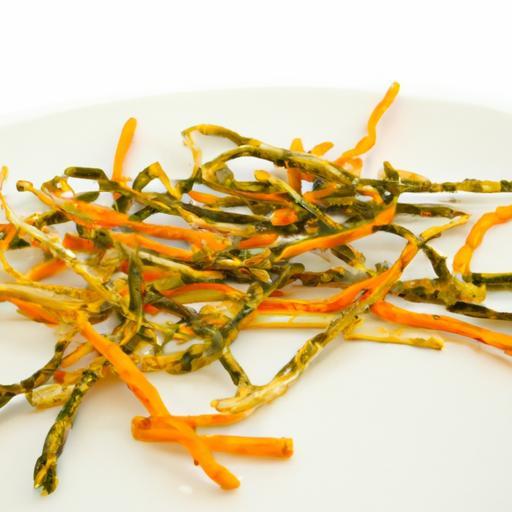
In a world where health trends sprout faster than we can keep up, gluten-free snacks have firmly planted themselves in our pantries-and among them, veggie straws have become a colorful favorite. Promising the wholesome goodness of vegetables wrapped in a crispy, guilt-free bite, these vibrant tubes often parade as the savvy snack for the health-conscious. But beneath their crunchy exterior lurks a question worth unraveling: are gluten-free veggie straws truly the nourishing choice they claim to be,or just another cleverly packaged indulgence? Let’s peel back the layers and explore what really makes these snacks tick.
Are Gluten-Free Veggie Straws Truly a Healthy Choice? This question frequently enough bubbles up among conscious snackers navigating supermarket aisles brimming wiht colorful packages promising wholesome vibes. Veggie straws, those lightweight, crunchy sticks mimicking the shape and allure of conventional potato chips, proudly wear the “gluten-free” badge. But what lies beneath their vibrant facade? Understanding the common ingredients and how they compare to actual vegetables or other popular snack options is key before deciding if they deserve a spot in your pantry.
Prep and Cook Time
- Planning Time: 10 minutes
- Cooking Time: 15 minutes
- Total time: 25 minutes
Yield
- 4 servings (approximately 1 cup per serving)
Difficulty Level
- Easy – Great for beginners and snack aficionados alike
Ingredients
- 1 cup gluten-free potato starch
- ½ cup chickpea flour (for added protein)
- ¼ cup dehydrated spinach powder
- ¼ cup dehydrated tomato powder
- 1 teaspoon sea salt
- ½ teaspoon smoked paprika (optional for smoky depth)
- 2 tablespoons olive oil (or avocado oil for higher heat tolerance)
- ½ cup cold water
Instructions
- Combine dry ingredients: In a large bowl, whisk together potato starch, chickpea flour, spinach powder, tomato powder, sea salt, and smoked paprika until evenly distributed.
- Add oil and water: Slowly incorporate the olive oil and cold water into the dry mix. Use a spatula to fold until a firm dough forms. The dough shoudl be pliable but not sticky.
- Shape the veggie straws: Transfer dough to a piping bag fitted with a thin round tip (or a zip-top bag with a small corner cut). Pipe long, thin strips onto a parchment-lined baking sheet.
- Bake to crisp perfection: Preheat oven to 350°F (175°C). Bake the shaped straws for 12-15 minutes, flipping them halfway, until they turn golden and crisp. Keep an eye out to avoid overbrowning.
- Cool completely: Remove from oven and let cool on a wire rack to maintain their crunch.
Chef’s Notes
- For a varied veggie profile,experiment with dehydrated beet or carrot powders,adjusting salt accordingly to balance flavor.
- Substitute chickpea flour with almond flour for a nutty twist, but expect slight differences in texture.
- If piping is tricky, roll the dough between parchment paper sheets and cut thin strips before baking, although piping yields the signature straw shape.
- Store in an airtight container to keep them crisp up to a week.
- Make a batch ahead; these straws are perfect for lunchboxes or spontaneous afternoon cravings.
Serving Suggestions
Enjoy your gluten-free veggie straws as a crunchy snack on their own or pair with healthy dips like creamy hummus, guacamole, or cashew-based ranch. Garnish plates with fresh herbs like parsley or a sprinkle of smoked paprika to echo the subtle spice inside. For party platters, combine with sliced cucumbers, cherry tomatoes, and tossed olives to craft an inviting, colorful spread that balances crunch and freshness.
| Nutrient | Per Serving (1 cup) |
|---|---|
| Calories | 130 |
| Protein | 3g |
| Carbohydrates | 20g |
| Fat | 4g |
Comparing Snacks: What Sets Veggie Straws Apart
The typical store-bought gluten-free veggie straws often include processed starches and vegetable powders, which provide limited fiber and micronutrients. In contrast, whole vegetables supply abundant dietary fiber, vitamins, and antioxidants with minimal calories. When placed side-by-side with chips or crackers, gluten-free veggie straws may seem like a lighter option but still often contain added oils and sodium, which can detract from their health benefits.
To elevate your snack choices, look for options with recognizable ingredients and minimal processing. Homemade versions, like the recipe above, empower you to control fats, salts, and vegetable inclusions for a genuinely nutritious yet indulgent experience. Check out our healthy gluten-free snack ideas for more inspiration.
For evidence-based nutritional insights on snacking and health,visit EatRight.org, a trusted resource by registered dietitians worldwide.

Q&A
Q&A: Are Gluten-Free veggie Straws Truly a Healthy Choice?
Q: What exactly are gluten-free veggie straws?
A: Gluten-free veggie straws are snack crisps made primarily from vegetable powders-often potatoes, spinach, tomato, or kale-combined with starches and seasonings.they’re designed to mimic the crunch and convenience of traditional chips while catering to those who avoid gluten, a protein found in wheat, barley, and rye.Q: Do gluten-free veggie straws actually contain real vegetables?
A: Yes and no. While these snacks contain vegetable powders or concentrates, the nutritional value you get from them is quite minimal compared to eating whole, fresh vegetables.The processing strips away most fiber and many vitamins, leaving behind mostly flavor and colour rather than considerable nutrients.
Q: Are gluten-free veggie straws a good way to increase vegetable intake?
A: Not likely. Despite their colorful appearance and veggie-inspired name, these snacks shouldn’t be counted as a meaningful portion of your daily vegetable consumption.Whole vegetables provide fiber, antioxidants, and nutrients that veggie straws can’t replicate.Q: How do gluten-free veggie straws compare to traditional potato chips in terms of health?
A: Gluten-free veggie straws often have slightly fewer calories or fat than regular chips, but the difference isn’t dramatic. Both are typically low in fiber and high in refined starches and sodium.The “gluten-free” label addresses allergen concerns but doesn’t inherently mean the product is healthier.
Q: Are these snacks suitable for people with celiac disease or gluten sensitivity?
A: Absolutely. For individuals who must avoid gluten, veggie straws labeled gluten-free provide a safe choice to traditional wheat-based snacks. Just be sure to check product labels carefully to avoid cross-contamination risks.
Q: What should I look for on the ingredient list to judge the healthfulness of veggie straws?
A: aim for products with a shorter ingredient list and recognizable components: actual vegetable powders listed early, minimal artificial additives, and moderate salt content. Watch out for excessive oils, flavor enhancers, and sugars, which can turn a seemingly healthy snack into an indulgence.
Q: Can veggie straws fit into a balanced diet?
A: yes! They can be an occasional treat or convenient snack, especially when paired with nutrient-dense foods like hummus or guacamole. The key is moderation and not relying on them as a primary source of nutrition.
Q: Are there better alternatives to veggie straws if I want a crunchy,gluten-free snack?
A: For a healthier crunch,consider raw veggies with dips,roasted chickpeas,air-popped popcorn,or homemade kale chips. These options typically offer more fiber, vitamins, and whole-food nutrition without sacrificing taste or texture.
Q: What’s the bottom line on gluten-free veggie straws?
A: Gluten-free veggie straws are a tasty, gluten-safe snack but not a nutrition powerhouse. Enjoy them as part of a varied diet, but don’t let the “veggie” name fool you-they’re more snack than superfood.
In Retrospect
while gluten-free veggie straws may seem like a guilt-free, health-conscious snack, it’s significant to look beyond the colorful packaging and catchy labels. They can offer a convenient option for those avoiding gluten or seeking a vegetable-inspired treat, but they’re not a green light for mindless munching.Like any processed snack, ingredient quality, nutritional content, and portion size matter. So next time you reach for that bag, remember: true healthfulness frequently enough lies in whole, minimally processed foods. Veggie straws can be a part of your snack rotation-but they shouldn’t be mistaken for a miracle makeover of the humble chip. Choose wisely, snack smart, and let your body thank you in the long run.