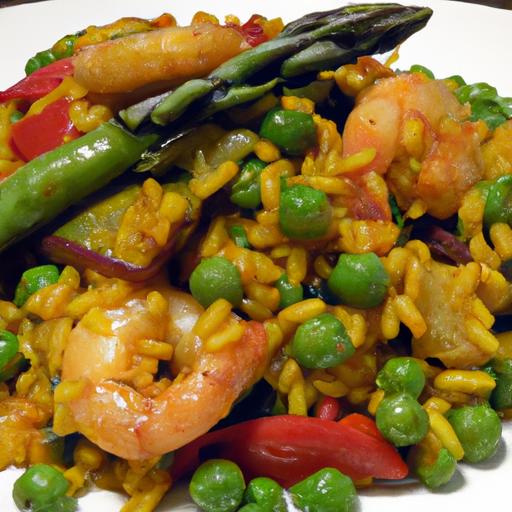

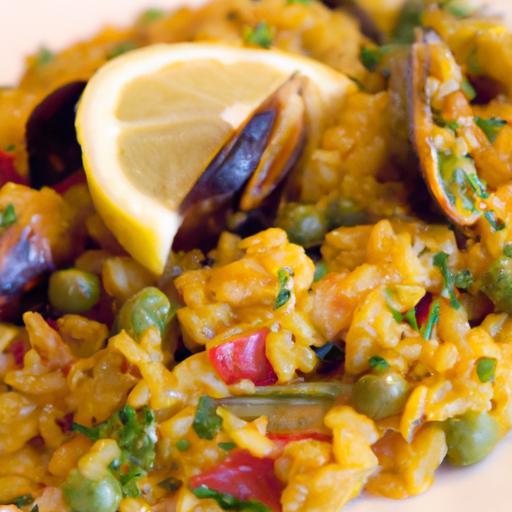
Bursting with vibrant hues and brimming with wholesome goodness, vegetarian paella transforms a classic Spanish staple into a dazzling festivity of plant-powered flavor. In this colorful guide, we’ll take you on a culinary journey through the art of crafting paella that’s as visually stunning as it is delicious-no seafood or meat required. From the saffron-tinted rice to the medley of garden-fresh vegetables, each bite is a symphony of textures and tastes designed to satisfy both the eyes and the palate. Whether you’re a seasoned vegetarian or simply curious about elevating your dinner repertoire, prepare to savor the flavor of this iconic dish reimagined with a vibrant, nourishing twist.
Exploring the Rich Tradition Behind Vegetarian Paella
Savor the Flavor of a dish that has transcended its humble origins to become a vibrant symbol of Spanish culinary heritage: vegetarian paella. rooted in the sun-soaked plains of Valencia,this recipe celebrates the artful combination of fresh local produce and fragrant spices. Unlike its classic seafood or meat counterparts, this colorful medley taps into the natural sweetness and textures of a variety of vegetables-offering a fresh, nourishing take on a time-honored tradition. My first encounter with vegetarian paella was a revelation: a tapestry of color and aroma that immediately transported me to a lively Spanish kitchen filled with laughter and the warmth of shared meals.
Choosing the Perfect Medley of Vegetables for Vibrant Flavors
Creating an unforgettable vegetarian paella hinges on selecting vegetables that bring both texture and taste, while complementing the earthy saffron-infused rice. Start with bell peppers-their crisp sweetness adds a beautiful pop of color and flavor. Green beans lend a subtle snap, balancing the softness of artichoke hearts, wich contribute a delicate bitterness. Sweet peas and cherry tomatoes provide juicy bursts, while roasted zucchini and eggplant introduce a smoky depth. For a hint of natural sweetness and crunch, consider adding diced carrots and corn kernels. Choosing these vegetables at their peak freshness will ensure your dish bursts with vibrancy in every bite.
Mastering the art of Saffron and Spice Infusion
At the heart of every exceptional paella lies the golden allure of saffron, a luxurious spice that infuses the rice with a warm, floral aroma and a captivating amber hue. To master its essence, gently steep a generous pinch of saffron threads in a small bowl of hot vegetable broth for at least 10 minutes before adding it to the rice. This unlocks saffron’s full potential, giving your paella a fragrant, layered complexity. Layer in smoked paprika and a touch of sweet pimentón to evoke customary Spanish flavors. Remember, patience is key: allow the rice to absorb the infused broth slowly, coaxing every grain to brim with the distinctive saffron character.
Tips for Achieving the Ideal Texture and Presentation
Vegetarian paella’s signature allure lies in its perfect crust, the socarrat, that crispy caramelized bottom layer coveted by paella enthusiasts. To achieve this, use a wide, shallow paella pan and maintain medium-high heat once the broth is incorporated. Avoid stirring during this stage, allowing the rice to cook evenly and the bottom to brown delicately. Aim for rice that is tender yet retains a slight chewiness-the hallmark of authentic paella.For presentation, scatter fresh chopped parsley and thin lemon wedges atop to brighten the palate and enhance visual appeal. A drizzle of high-quality extra virgin olive oil finishes the dish with a luscious sheen that invites savoring.
Prep and Cook Time
- Preparation: 20 minutes
- Cooking: 40 minutes
- Total: 60 minutes
Yield
Serves 4 hearty portions
Difficulty Level
Medium – perfect for those comfortable with sautéing and timing infusions
Ingredients
- 2 cups bomba or short-grain rice
- 4 cups vegetable broth, hot
- 1 pinch saffron threads
- 2 tbsp extra virgin olive oil
- 1 red bell pepper, thinly sliced
- 1 yellow bell pepper, thinly sliced
- 1 cup green beans, trimmed and halved
- 1 cup artichoke hearts, quartered (fresh or jarred and drained)
- 1 cup cherry tomatoes, halved
- ½ cup peas (fresh or frozen)
- 1 small zucchini, diced
- 1 small eggplant, diced
- 1 small carrot, peeled and diced
- 1 tbsp smoked paprika (pimentón)
- 4 garlic cloves, minced
- 1 medium onion, finely chopped
- Salt and freshly ground black pepper, to taste
- Fresh parsley, chopped, for garnish
- Lemon wedges, for serving
Instructions
- Steep the saffron: Place saffron threads in a small bowl and cover with ½ cup of hot vegetable broth.Let steep while preparing vegetables.
- Prepare the pan: Heat olive oil in a wide paella pan over medium heat. Sauté onion and garlic until translucent, about 5 minutes, stirring occasionally.
- Add vegetables: Incorporate carrot, zucchini, eggplant, and green beans. Cook for 7 minutes, stirring gently until slightly softened but not mushy.
- Season and toast rice: Add smoked paprika and rice to the pan, stirring to coat grains with oil and spices. Toast rice for about 2 minutes.
- Add broth and saffron: Pour in the remaining vegetable broth along with the saffron-infused broth. Stir once to combine evenly, then spread the rice and vegetables out evenly.
- Simmer without stirring: Cook over medium heat for 20-25 minutes. Avoid stirring to encourage the formation of the socarrat. Add cherry tomatoes, peas, and artichoke hearts halfway through cooking.
- Check doneness: Taste rice for tenderness; adjust seasoning with salt and pepper as needed.
- Rest and garnish: Remove the pan from heat, cover with a clean towel, and let rest for 5 minutes. Sprinkle with fresh parsley and arrange lemon wedges around the edges.
- Serve warm: Drizzle with a little extra virgin olive oil and enjoy your vibrant, flavor-packed vegetarian paella!
Chef’s Notes
- For even deeper flavor, toast the paprika briefly with the garlic and onion before adding vegetables.
- If you can’t find bomba rice, arborio is a workable substitute but may alter the texture slightly.
- To make this dish gluten-free and vegan, ensure your vegetable broth is free of any additives containing gluten.
- leftovers reheat well in a skillet with a splash of broth to restore moisture.
- For an extra touch, garnish with roasted red pepper strips or sprinkle toasted almonds for crunch.
Serving Suggestions
Pair your vegetarian paella with a crisp, chilled Spanish sparkling water or a robust herbal iced tea to complement its warmth. serve family-style in the paella pan, inviting guests to scoop generous portions, garnished with fresh lemon wedges for a lively, citrusy finish. A side of crusty artisan bread or a light arugula salad with sherry vinaigrette enhances the meal’s balance for a complete Mediterranean feast feel.
| Nutrient | Per Serving |
|---|---|
| Calories | 410 kcal |
| Protein | 12 g |
| Carbohydrates | 68 g |
| Fat | 7 g |

Discover more about the rich Spanish vegetarian dishes that bring fresh, wholesome ingredients center stage. For deeper insights into the origins of paella and saffron’s culinary magic, visit Spanish Sabores – Paella History.
Q&A
Q: What makes vegetarian paella different from the traditional version?
A: Vegetarian paella celebrates a vibrant array of vegetables and plant-based proteins instead of seafood or meat. It transforms the classic saffron-infused rice dish into a colorful, hearty meal that highlights garden-fresh ingredients and bold, smoky spices.
Q: Which vegetables work best in a vegetarian paella?
A: The magic lies in a medley of textures and colors-think sweet bell peppers,tender artichokes,green beans,peas,tomatoes,and luminous bursts of roasted red peppers.These veggies not only add visual appeal but also layer in sweetness, earthiness, and crunch.
Q: How do you achieve that signature golden color in vegetarian paella?
A: The radiant golden hue comes primarily from saffron threads,which release both color and a subtle aroma when steeped in warm broth. Turmeric can be a budget-amiable booster to enhance the color, but authentic saffron delivers an unparalleled depth.
Q: What plant-based proteins can be included to make the paella more filling?
A: Chickpeas, white beans, or tofu cubes infused with smoked paprika add satisfying bites of protein. These ingredients soak up the flavors of the broth beautifully, making the dish a nourishing and complete meal.
Q: How important is the type of rice in vegetarian paella?
A: Crucial! Short-grain rice like Bomba or Calasparra absorbs flavorful broth slowly, maintaining a firm yet creamy texture. this rice variety is the heart of paella’s unique consistency-neither mushy nor dry.Q: Can vegetarian paella be prepared in advance?
A: Absolutely! Paella flavors deepen as they rest, making it perfect for preparing ahead. When reheating, sprinkle a little water and gently warm covered to revive the luscious textures without drying out the rice.Q: what’s the secret to creating the prized socarrat, the crispy rice crust?
A: patience and the right heat are key. Once the broth is mostly absorbed, increase the heat briefly to toast the rice at the bottom, creating a toasty, golden crust full of rich, caramelized flavor-without burning!
Q: Are there regional twists in vegetarian paella recipes?
A: Yes! Some regions layer in local vegetables like artichokes in Valencia or green beans in Murcia. Others enhance flavor with smoky paprika or a dash of roasted garlic. The beauty of vegetarian paella is its flexibility, inviting cooks to celebrate their own garden bounty.Q: How can one make vegetarian paella a visually stunning centerpiece?
A: Use fresh, brightly colored veggies arranged artfully-rings of yellow and red bell peppers, scattered peas, and vibrant herbs like parsley or rosemary. Finish with lemon wedges for a zesty pop of color and brightness that invites eager forks.
Closing Remarks
As the golden grains glisten and the vibrant medley of vegetables come together in perfect harmony, vegetarian paella proves that bold flavors don’t need meat to make a statement. This colorful dish invites you to explore the rich tapestry of tastes and textures that celebrate nature’s bounty with every bite. Whether you’re a seasoned chef or a curious foodie, savoring vegetarian paella is more than just a meal-it’s a journey through tradition, creativity, and wholesome goodness. So next time you crave something both comforting and colorful,let this guide inspire your kitchen adventures and bring a little Mediterranean sunshine to your table.