
Beneath the vibrant hues of autumn harvests and holiday dinner spreads lies a culinary conundrum that has puzzled many: what’s the real difference between a sweet potato and a yam? These two root vegetables frequently enough get used interchangeably in recipes and conversations, yet they each bring unique textures, flavors, and histories to the table.In this article, we’ll peel back the layers of confusion, exploring the origins, characteristics, and nutritional profiles of sweet potatoes and yams to help you distinguish fact from folklore. Prepare to embark on a flavorful journey that will forever change the way you see- and savor-these humble roots.
Sweet Potato vs Yam: Unraveling the Root Vegetable Mystery begins with a fascinating dive into their distinct botanical origins and culinary identities. Often confused in markets and kitchens alike, these vibrant tubers offer unique flavors, textures, and health benefits that can transform everyday meals into unforgettable experiences.Understanding their subtle differences not only elevates your cooking but also deepens your gratitude for these nutrient-rich roots steeped in history and cultural meaning.
Prep and Cook Time
- Preparation: 15 minutes
- Cooking: 40 minutes
- Total Time: 55 minutes
Yield
Serves 4 hearty portions
Difficulty Level
Easy to Medium – perfect for home cooks looking to impress!
Ingredients
- 2 large sweet potatoes (orange-fleshed, thoroughly washed)
- 1 large yam (preferably African or Caribbean, peeled and cut)
- 2 tbsp olive oil or avocado oil
- 1 tsp smoked paprika
- 1 tsp ground cumin
- 1/2 tsp cinnamon
- salt and freshly ground black pepper to taste
- 2 cloves garlic, minced
- Fresh thyme sprigs or rosemary (for garnish)
- 1 tbsp maple syrup (optional, for a touch of sweetness)
- Juice of half a lemon
Instructions
- Preheat your oven to 400°F (200°C).Line a baking sheet with parchment paper.
- Prepare the tubers: Slice the sweet potatoes and yam into 1-inch cubes ensuring even size for uniform cooking.
- In a large bowl, combine the olive oil, smoked paprika, ground cumin, cinnamon, minced garlic, lemon juice, salt, and pepper. Toss the sweet potatoes and yams in this aromatic blend until fully coated.
- Arrange the cubes in a single layer on the baking sheet, giving them space so they roast rather of steam.
- Roast in the oven for 25-30 minutes, flipping halfway through, until edges are golden and crisp, and the insides are tender when pierced with a fork.
- optional glaze: In the last 5 minutes of roasting, drizzle maple syrup over the tubers and toss gently to caramelize and enhance natural sweetness.
- Remove from oven and transfer to serving dish. Garnish liberally with fresh thyme or rosemary sprigs for a fragrant finish.
Tips for Success
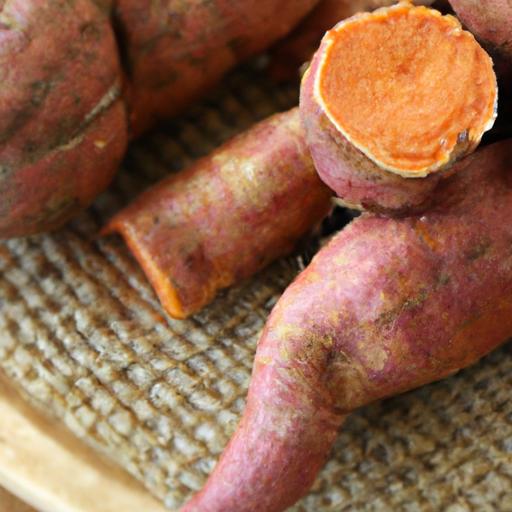
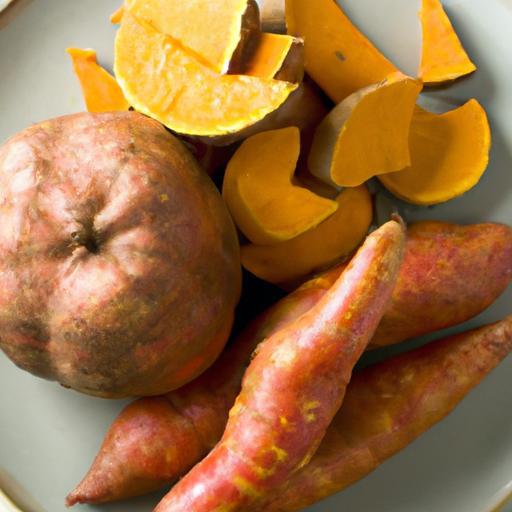
- When selecting tubers,choose sweet potatoes with smooth skin and firm texture; yams typically have rough,darker skin-don’t confuse them with starchy sweet potatoes frequently enough mislabeled as yams.
- Roasting at high heat develops a delightful caramelized crust, heightening the flavors of both sweet potatoes and yams.
- for a vegan twist, swap maple syrup for agave nectar or leave it out for savory dishes.
- To prep ahead,slice the tubers and store in water in the fridge for up to 24 hours to prevent browning.
- Try steaming or mashing these tubers for softer textures perfect for comforting casseroles or creamy purees.
Serving Suggestions
These roasted tubers shine as a versatile side: pair them with smoky grilled vegetables or toss into vibrant grain bowls alongside fresh greens and tangy dressings. Sprinkle toasted pepitas or pomegranate seeds for a delightful crunch, or drizzle with tahini lemon sauce for an extra layer of flavor.A dollop of creamy avocado or dairy-free yogurt garnish adds cooling contrast, perfect for spiced dishes.
| Nutrient | Sweet Potato (per 100g) | Yam (per 100g) |
|---|---|---|
| Calories | 86 kcal | 118 kcal |
| Protein | 1.6 g | 1.5 g |
| Carbohydrates | 20 g | 27.9 g |
| Fat | 0.1 g | 0.2 g |
| Vitamin A | 14187 IU | 0 IU |
| Fiber | 3 g | 4.1 g |
For further insights on rich root vegetables, check out our complete guide to root vegetables. To understand more about botanical classifications, The World botanical Gardens offers thorough resources.

Q&A
Sweet Potato vs Yam: Unraveling the Root vegetable Mystery - Q&A
Q1: What’s the main difference between sweet potatoes and yams?
A1: At first glance, sweet potatoes and yams may look similar, but they hail from entirely different plant families. Sweet potatoes belong to the morning glory family (Convolvulaceae), while yams are part of the Dioscoreaceae family, related to lilies and grasses. Sweet potatoes have smooth, thin skin that ranges from yellow to reddish-orange, and their flesh varies from creamy white to vibrant orange or even purple. Yams, on the other hand, boast rough, scaly, bark-like skin and usually have starchy, white, or purple flesh.Q2: Why do many grocery stores label sweet potatoes as yams?
A2: This classic mix-up began historically in the United States as a marketing strategy to differentiate between varieties of sweet potatoes. The softer, orange-fleshed sweet potatoes were dubbed “yams” to distinguish them from the firmer, pale-fleshed sweet potatoes. However, true yams are rarely found in American supermarkets, leading to widespread confusion.
Q3: How do their textures and flavors compare?
A3: Sweet potatoes are generally sweeter and moister, with a creamy texture when cooked, especially the orange-fleshed varieties. Yams tend to be more starchy and dry, with a neutral to slightly earthy flavor. This makes yams excellent for dishes that require a more substantial, hearty texture, while sweet potatoes shine in recipes where natural sweetness and softness are celebrated.
Q4: Can sweet potatoes and yams be used interchangeably in recipes?
A4: it depends on the dish. Because of their sweetness and moisture content, sweet potatoes are perfect for casseroles, pies, and roasted sides. yams, being starchier and less sweet, lend themselves well to boiling, frying, or pounding into dishes like fufu (a conventional African staple). Swapping one for the other might change the texture and flavor profile, so it’s worth considering your recipe’s needs.
Q5: Are there nutritional differences between them?
A5: Both root vegetables are nutritious, but sweet potatoes generally offer more beta-carotene, especially the orange-fleshed varieties, making them excellent for eye health and immune function. Yams tend to have more complex carbohydrates and fiber, contributing to sustained energy release. Both are good sources of vitamins, minerals, and antioxidants, making either a wholesome addition to your diet.Q6: Where do yams and sweet potatoes originally come from?
A6: Sweet potatoes trace their roots back to Central and South America, where they were cultivated thousands of years ago. Yams have a different origin story, native to Africa and Asia, where they remain a dietary staple. Their journeys across continents contributed to the richness of global cuisine-and the confusion at the grocery store.
Q7: What’s the best way to store each one?
A7: Both love a cool, dark, and well-ventilated spot for storage-but avoid refrigeration, which can alter their texture and taste. Sweet potatoes can keep for a few weeks this way, while yams can last even longer due to their tougher skin. Keep them away from moisture to prevent sprouting or spoilage.
Q8: are there any vibrant culinary traditions that highlight yams or sweet potatoes?
A8: Absolutely! Sweet potatoes star in many festive dishes-from sweet potato pie cherished in Southern U.S. cuisine to the colorful japanese dish kuri kinton served during New year celebrations. Yams are central to West African cooking, frequently enough pounded into a smooth dough-like staple or grilled during street festivals. Both roots carry the stories and flavors of their regions, making them more than just humble tubers.
Q9: What’s a fun fact about these roots that might surprise me?
A9: Here’s a twist-some purple sweet potatoes contain powerful antioxidants called anthocyanins, giving them a vibrant hue and health-boosting properties similar to blueberries. Meanwhile,certain yam varieties can grow to astonishing sizes-some topping 5 feet long! Mother Nature sure knows how to make roots fascinating.
In essence, while sweet potatoes and yams share a spot in the root vegetable lineup, their differences in origin, texture, flavor, and culinary use make each uniquely delightful.Next time you reach for these earthy treasures, you’ll know exactly what you’re digging into!
Final Thoughts
whether you reach for a sweet potato or a yam, you’re choosing a nutrient-packed root that has its own unique history and flavor story. By unraveling the mystery between these frequently enough-confused tubers, you not only expand your culinary vocabulary but also honor the diverse traditions behind each. So next time you’re at the market or cooking up a cozy dish, remember: sweet potatoes and yams may share the spotlight, but their roots run in wonderfully different directions-each one deserving a place on your plate.