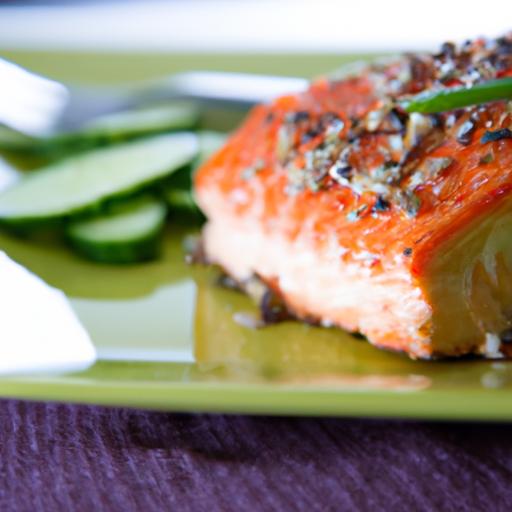

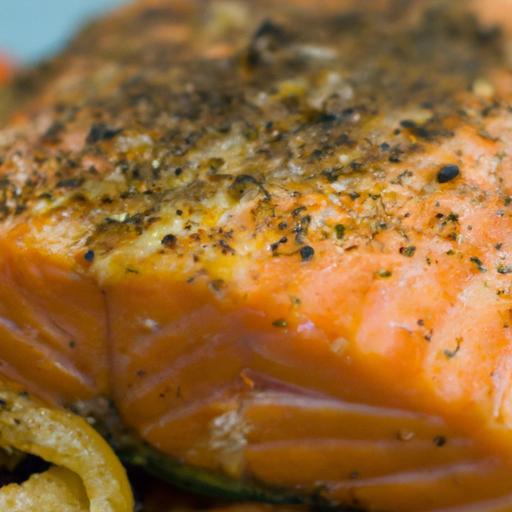
There’s something truly magical about a perfectly baked salmon-its tender,flaky flesh infused with rich,buttery flavor that melts effortlessly on the tongue. But achieving that ideal balance between moistness and seasoning can be deceptively tricky. Weather you’re a seasoned home cook or a curious kitchen novice, mastering the art of baking salmon in the oven opens the door to endless culinary possibilities. In this article, we’ll dive into essential oven tips and techniques that transform a simple salmon fillet into a succulent, flavor-packed masterpiece every time. Get ready to elevate your salmon game and impress your taste buds with foolproof guidance for flavorful success.
Perfectly baked salmon begins with selecting the right cut and preparing it thoughtfully to unlock the tender,juicy flakes that make this dish irresistible. Whether you’re a seasoned home cook or just embarking on seafood adventures, understanding how to choose and treat your salmon will elevate every bite into a memorable experience. Let’s dive into the essential guidance for crafting beautifully baked salmon infused with vibrant flavors and flawless texture.
Prep and Cook Time
- Planning: 10 minutes
- Marination (optional): 30 minutes to 2 hours
- Baking: 12 to 18 minutes
- Total Time: 30 minutes to 2.5 hours (depending on marination)
Yield
Serves 4 generously-sized portions
Difficulty Level
Easy – Ideal for beginners and busy weeknights
Ingredients
- 4 salmon fillets (6 oz each), skin-on, preferably wild-caught for richer flavor
- 2 tablespoons extra-virgin olive oil
- 1 lemon, zest and juice
- 3 garlic cloves, minced
- 1 tablespoon fresh dill, finely chopped
- 1 teaspoon paprika
- ½ teaspoon sea salt, or to taste
- ¼ teaspoon freshly cracked black pepper
- Optional: 1 teaspoon honey for a subtle, caramelized sweetness
Instructions
- Choose your salmon: Opt for firm salmon fillets with vibrant, moist flesh and skin intact for extra crispiness. Thickness should be even to ensure uniform baking.
- Pat dry gently using paper towels to remove excess moisture, wich helps the seasonings adhere and the skin to crisp.
- Prepare the marinade: In a small bowl, whisk together olive oil, lemon juice and zest, minced garlic, fresh dill, paprika, salt, pepper, and honey if using.
- Marinate the salmon: Place fillets in a shallow dish and coat with the marinade, turning to cover evenly. Let it rest for at least 30 minutes at room temperature or up to 2 hours in the fridge for intensified flavor.
- Preheat your oven to 400°F (200°C). This temperature strikes a perfect balance between cooking the salmon evenly while preserving moisture.
- Arrange salmon skin-side down on a lined baking tray, leaving space between fillets to promote even heat circulation.
- Bake for 12 to 18 minutes depending on thickness-12 minutes for thinner fillets (about 1 inch) and up to 18 minutes for thicker cuts.the salmon should flake easily but remain moist and slightly translucent in the center.
- Test for doneness using a fork by gently twisting the thickest part; the salmon should separate into juicy flakes.
- Remove from oven and let rest for 3 minutes. This resting period allows the juices to redistribute for a luscious,tender bite.
Chef’s Tips for perfectly Baked Salmon
- Skin on or off: Baking with skin on helps seal moisture; it can be crisped further under the broiler if desired.
- Even cuts: Choose fillets of uniform thickness or butterfly thicker pieces for consistent cooking.
- Flavor layering: Fresh herbs like dill, parsley, or tarragon complement salmon’s natural richness more gently than dried versions.
- marinade balance: Avoid overly acidic marinades that ”cook” the fish before baking; subtle lemon juice and oil create brightness without overpowering.
- Use a meat thermometer: Aim for an internal temperature of 125-130°F (52-54°C) for moist flakes.
- Make ahead: Salmon can be marinated up to 2 hours in advance and refrigerated; bring to room temperature before baking for even cooking.
Serving Suggestions
Serve your perfectly baked salmon atop a bed of fluffy quinoa or creamy garlic mashed potatoes to soak up juices. Garnish with fresh lemon wedges, a sprinkle of chopped herbs, and a drizzle of extra-virgin olive oil for a radiant finish.
For a crisp contrast, add garlicky sautéed baby spinach or roasted asparagus seasoned simply with sea salt and cracked pepper. A light cucumber-yogurt tzatziki or a tangy mustard-dill sauce adds a refreshing layer of flavor that elevates each bite.
Nutritional Information
| Nutrient | Per Serving |
|---|---|
| Calories | 350 |
| Protein | 34g |
| Carbohydrates | 2g |
| fat | 22g |

For more seafood inspiration, check out our grilled Salmon with herb Salsa. To learn about salmon’s sourcing and health benefits,visit FDA Seafood Advice.
Q&A
Q&A: Perfectly Baked Salmon – Oven Tips for Flavorful Success
Q: What’s the first step to ensure my salmon turns out perfectly baked?
A: Start with choosing fresh, high-quality salmon-vibrant pink flesh and a clean, ocean-fresh scent are your best friends. Before baking, pat the fillets dry with paper towels to remove excess moisture. This helps achieve that beautiful golden crust and prevents steaming in the oven.
Q: How do I season salmon to highlight its natural flavors without overpowering them?
A: Keep it simple and complementary! A sprinkle of flaky sea salt, freshly ground black pepper, a squeeze of lemon juice, and a drizzle of olive oil bring out the salmon’s rich, buttery character. Fresh herbs like dill, thyme, or parsley add a fragrant touch that elevates the dish without masking the fish’s essence.
Q: What oven temperature works best for baking salmon?
A: A moderate temperature of 375°F (190°C) strikes the perfect balance-hot enough to cook evenly and develop flavor, yet gentle enough to keep the salmon tender and juicy. Cooking too hot risks drying out the fish; too low, and you might lose that delicate flakiness.Q: Should I use foil, parchment, or go bare on the baking tray?
A: Each method has its perks! Wrapping salmon in parchment (en papillote) locks in moisture and infuses the fish with any added aromatics like lemon slices or herbs. Foil offers a bit more protection and easy cleanup, while baking directly on a well-oiled sheet or in a greased pan encourages a lightly crisped surface.Choose based on your desired texture and cleanup preferences.
Q: How long does salmon need to bake in the oven?
A: The timing depends on thickness, but as a rule of thumb, bake for about 10 minutes per inch of thickness. You’ll know it’s done when the salmon flakes easily with a fork and the interior is opaque but still moist. Overcooking can turn it chalky, so keep a close eye!
Q: Is it okay to marinate salmon before baking?
A: Absolutely! A quick 15-30 minute marinade with citrus juice, garlic, ginger, soy sauce, or a touch of honey can deepen the flavor and add complexity. Just avoid overly acidic marinades for too long, as they can start breaking down the fish’s texture.
Q: Can I bake salmon from frozen directly?
A: Yes,but with some adjustments. Place the frozen salmon in a baking dish, cover with foil, and bake at 400°F (205°C) for about 20-25 minutes, then uncover and bake another 5-10 minutes to finish. using foil helps steam the fish gently, preventing dryness.
Q: How can I make my baked salmon extra flavorful without extra fat?
A: Experiment with zest and spice! Lemon zest, smoked paprika, ground cumin, or a touch of chili flakes add vibrant notes without adding calories. Fresh herbs sprinkled on after baking also infuse brightness and aroma for an elegant finish.
Q: What’s the best way to check if my salmon is perfectly cooked?
A: Look for a consistent opaque hue throughout with just a hint of translucency at the center, and test by gently inserting a fork or knife-the fish should flake apart effortlessly but still feel moist. If you own a food thermometer, aim for an internal temperature of 125°F (52°C) for medium-rare or 145°F (63°C) for fully cooked according to USDA guidelines.
Q: any tips for serving baked salmon that impress?
A: serve salmon hot with a bright, fresh side-think a crisp cucumber salad, roasted seasonal veggies, or a tangy yogurt-dill sauce. Garnish with fresh herbs and a wedge of lemon for a mouthwatering presentation that celebrates the simplicity and elegance of perfectly baked salmon.
The Conclusion
With these oven tips in your culinary toolkit, achieving perfectly baked salmon is no longer a quest but a delicious reality.From the ideal temperature to seasoning secrets and timing tweaks, each step unlocks layers of flavor and texture that elevate this humble fish to a show-stopping meal. So next time you preheat your oven, remember: a flawlessly baked salmon isn’t just dinner-it’s a festivity of simplicity, freshness, and culinary confidence. Happy baking, and may your kitchen always be filled with the irresistible aroma of success!