

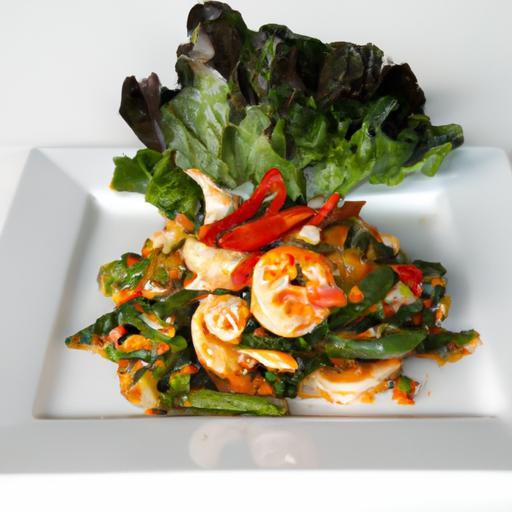
There’s a thrilling spark that transforms ordinary vegetables into culinary adventures-an explosion of heat, zest, and boldness that ignites the senses and awakens the palate. Welcome to the world of fiery flavors, where humble greens and roots take on a sizzling new life. In this article, we’ll explore the top spicy vegetable recipes that promise to turn your plate into a vibrant party of heat and taste. Whether you’re a devoted chili lover or a curious newcomer, get ready to dive into dishes that blend garden-fresh goodness wiht the invigorating kick of spice, proving once and for all that vegetables can be just as daring-and appetizing-as any fiery feast.
Fiery Flavors awaken your senses the moment fresh vegetables meet bold, dynamic spices that transform simple plant-based ingredients into vibrant, mouthwatering delights. Inspired by kitchens across the globe-from the smoky harissa of North Africa to the tangy punch of Korean gochujang-this recipe celebrates the art of elevating vegetables with heat and depth. Whether you’re new to spicy cuisine or a seasoned chili enthusiast, these dishes offer an accessible yet exciting pathway to transform everyday veggies into unforgettable meals.
Prep and cook Time
- Preparation Time: 15 minutes
- Cook Time: 20 minutes
- Total Time: 35 minutes
Yield
Serves 4 generous portions
Difficulty Level
Medium - Perfect for home cooks ready to add a punch of flavor and spice complexity
Ingredients
- 2 tbsp extra virgin olive oil
- 1 large red bell pepper, diced
- 1 medium zucchini, sliced into half-moons
- 1 cup cauliflower florets
- 1 cup cherry tomatoes, halved
- 1 medium red onion, thinly sliced
- 3 cloves garlic, minced
- 1 tsp smoked paprika
- 1 tsp ground cumin
- 1/2 tsp ground coriander
- 1/4-1/2 tsp cayenne pepper (adjust to heat preference)
- 1 tbsp fresh lime juice
- 1 tbsp maple syrup or agave nectar
- Salt and freshly ground black pepper, to taste
- 1/4 cup fresh cilantro, chopped, for garnish
- Optional: 1 tbsp toasted sesame seeds for texture
Instructions
- Heat the olive oil in a large skillet over medium heat. Add the sliced red onion and sauté for about 3 minutes until it starts to soften and become translucent.
- Add the minced garlic, stirring constantly to avoid burning, and cook for another 1 minute until fragrant.
- Incorporate the diced red bell pepper,zucchini,and cauliflower florets. Stir well to combine and cook for 7 minutes, stirring occasionally, until the vegetables begin to soften but remain crisp.
- Sprinkle in the smoked paprika, cumin, coriander, and cayenne pepper. Mix thoroughly to evenly coat the veggies in the aromatic spices. Cook for 2 more minutes to allow the spices to toast lightly, enhancing their flavor.
- Toss in the halved cherry tomatoes. Cook for another 3 minutes until they begin to release their juices, melding with the spices to create a vibrant base.
- Drizzle lime juice and maple syrup over the skillet,balancing heat with a hint of sweetness. Stir to combine and simmer for 2 additional minutes.
- Season with salt and freshly ground black pepper to taste. Remove from heat.
- Garnish with freshly chopped cilantro and toasted sesame seeds for a burst of color and texture just before serving.
Tips for success
- For a deeper smoky character, add 1 tsp of chipotle powder or smoked chili flakes in step 4.
- If fresh vegetables are limited,frozen cauliflower and bell peppers work well-just thaw and pat dry before cooking.
- Adjust the cayenne pepper gradually, tasting as you go to find your perfect heat level.
- This dish can be made ahead and reheated gently; flavors deepen overnight, making it even more delicious the next day.
- To amp up protein, serve alongside cooked chickpeas or toss in firm tofu cubes for a satisfying plant-based feast.
Serving Suggestions
Serve this spicy vegetable medley over a bed of fragrant basmati rice or fluffy couscous for a hearty meal. Alternatively, wrap it in warm whole-grain tortillas with a dollop of cooling vegan yogurt or avocado crema for a fulfilling spicy veggie wrap.
For an elegant presentation, drizzle with a little extra virgin olive oil and scatter pomegranate seeds across the top for a pop of juicy color and texture contrast. Whether plated family-style or as individual dishes,this vibrant offering brightens any table and excites the palate.
Pair with crisp cucumber salad or a fresh green chutney to offer balance and refreshment alongside the bold spices.

| Nutrient | Per Serving |
|---|---|
| Calories | 185 kcal |
| Protein | 5 g |
| carbohydrates | 28 g |
| Fat | 6 g |
explore more ways to ignite your love for veggies with our plant-based spicy recipes that celebrate heat and wholesome ingredients. For deeper insights on spice benefits and pairing techniques, visit the Serious Eats spice guide.
Q&A
Q&A: Fiery Flavors – Top Spicy Vegetable Recipes to Ignite Your Plate
Q1: What makes a vegetable dish truly “fiery” and exciting?
A1: Fiery vegetable dishes combine the natural earthiness and sweetness of fresh produce with bold spices and peppers that awaken your taste buds.The heat comes from ingredients like chili peppers, smoked paprika, or hot sauces that add layers of warmth and complexity, transforming humble veggies into an exciting, flavor-packed experience.
Q2: Which vegetables are best suited for spicy recipes?
A2: Vegetables with sturdy textures and natural sweetness work wonders with heat. Think bell peppers, carrots, cauliflower, eggplant, zucchini, sweet potatoes, and leafy greens like kale or spinach. Their flavors balance the spice well, offering crispness or creaminess that complements and cools the fiery kick.
Q3: How can I balance the heat in a spicy vegetable dish without dulling the fire?
A3: Balancing heat is about harmony. Pair spicy elements with cooling or acidic ingredients such as yogurt, lime juice, cilantro, or coconut milk to mellow intensity without masking flavor. Sweet touches like honey or roasted vegetables can provide contrast, making the heat pop rather than overpower.
Q4: What are some creative ways to incorporate spice into everyday vegetable meals?
A4: Spice can sneak in through marinades, rubs, or sauces-think chipotle-lime dressing over roasted cauliflower or a harissa glaze on roasted carrots. You can also experiment with spice blends like Cajun, Ethiopian berbere, or Indian garam masala to bring diverse heat profiles. Toasting whole spices before adding them to dishes releases vibrant aromas that elevate any meal.Q5: Can spicy vegetable dishes be suitable for all heat tolerance levels?
A5: Absolutely! Spiciness is adjustable. Start with mild chili powders or a pinch of cayenne and then scale up as you grow more comfortable.Removing seeds from peppers reduces heat, and serving spicy veggies alongside cooling sides creates a balanced plate everyone can enjoy.
Q6: What are some popular spicy vegetable recipe ideas to try at home?
A6: Try spicy stir-fried broccoli with garlic and chili flakes, smoky chipotle sweet potato wedges, or a vibrant, tangy kimchi-fried rice loaded with colorful veggies. Another crowd-pleaser is Indian spiced eggplant bharta-smoky, mashed, and bursting with chili warmth.
Q7: How does cooking method affect the level and quality of spice in vegetable recipes?
A7: Cooking methods influence both heat intensity and flavor.Roasting veggies with chili oil caramelizes their sugars, amplifying sweetness and mellowing sharp spice. Stir-frying preserves fresh pepper heat with vibrant textures, while slow-cooked stews deepen spice complexity, letting flavors meld and intensify.
Q8: Are there specific spices or chili varieties you reccommend for beginner spicy cooks?
A8: For those just venturing into the fiery world, ancho or guajillo chilies offer rich, mild heat with smoky notes. Smoked paprika adds warmth without overwhelming spice, and fresh jalapeños provide a crisp, manageable kick. Start small and build confidence-your spice tolerance will grow with every delicious bite!
Q9: Can spicy vegetable dishes be part of a balanced diet?
A9: Definitely. Spicy vegetables enhance nutrient intake by encouraging more veggie consumption. Capsaicin, the compound responsible for chili heat, may even boost metabolism and aid digestion. Plus, the abundance of fiber, vitamins, and antioxidants in these dishes supports overall health while firing up your flavor game.
Q10: how can I make my spicy vegetable recipes visually appealing and appetizing?
A10: Color is key! Use a rainbow of vegetables and fresh herbs to contrast fiery reds and oranges.Garnish with luminous green cilantro or a sprinkling of toasted sesame seeds for texture. Serving in rustic bowls or vibrant plates adds an inviting touch-after all, we eat first with our eyes!
Insights and Conclusions
As the embers of these fiery flavors settle, your journey through spicy vegetable creations proves that heat and heart can beautifully coexist on one plate. From smoky chipotle-infused dishes to zesty chili-packed salads, these recipes invite you to rethink vegetable cooking-not as a bland side, but as a bold, vibrant centerpiece. So next time you crave a meal that ignites your senses and nourishes your soul, remember: a little spice is all it takes to transform simple veggies into a blazing celebration of taste.embrace the heat, fuel your passion, and let your kitchen become the hottest spot in town.