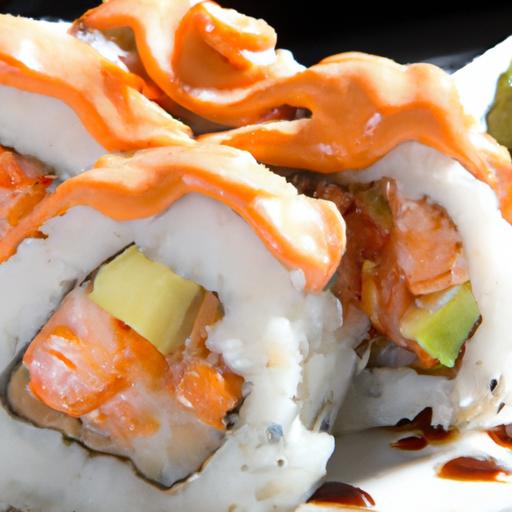

Sushi, a timeless emblem of Japanese culinary artistry, has long captivated taste buds with its delicate balance of fresh ingredients and masterful technique. Yet, as global palates evolve, so too does the sushi experience-inviting inventive twists that both honor tradition and spark excitement. Enter the world of flavorful baked salmon sushi, were the rich, smoky warmth of oven-roasted salmon meets the classic elegance of vinegared rice and seaweed. this flavorful fusion not only elevates the humble salmon to new heights but also reimagines sushi for those craving comfort, depth, and a touch of indulgence. Join us as we explore this vibrant blend of textures and tastes, uncovering how baked salmon sushi offers a captivating departure from the raw, redefining what sushi can truly be.
Exploring the Perfect Balance of Flavors and Textures in Baked salmon Sushi
Delicious baked Salmon Sushi offers a vibrant twist on conventional sushi, combining the luscious richness of tender salmon with the comforting warmth of baked textures. This dish is a harmonious symphony where the smoky, flaky baked salmon melts over subtly seasoned sushi rice, gently kissed by creamy mayonnaise and a hint of spicy goodness. Originating as a creative innovation within Japanese-inspired fusion cuisine, baked salmon sushi has swiftly captured hearts thanks to its accessible readiness and complex flavor layering.
Drawing from years of culinary storytelling and food styling expertise, this recipe embraces freshness, texture contrasts, and an easy-to-follow process to help anyone achieve restaurant-quality perfection at home.
Prep and Cook Time
- Prep: 20 minutes
- Cook: 12 minutes
- Total: 32 minutes
Yield
Serves 4 as a satisfying appetizer or light entrée
Difficulty level
Medium – ideal for home cooks comfortable with basic sushi preparation and using an oven or broiler
Essential Ingredients and Freshness Tips for Restaurant-Quality Results
- Fresh Salmon Fillet (skin removed) – 8 oz, sashimi-grade is best for flavor and safety
- Sushi Rice – 1 ½ cups, cooked and seasoned with seasoned rice vinegar
- Japanese Mayonnaise (such as Kewpie) – 3 tbsp for creamy richness
- Sriracha or Spicy Mayo – 1 tbsp to elevate heat, adjust to preference
- Unagi Sauce (or Eel sauce) – 2 tbsp for a subtle sweetness and glossy finish
- Sesame Seeds – 1 tsp toasted, for crunchy nuttiness
- Green Onions – 2 tbsp, finely sliced, radiant and fresh
- Nori Sheets – 2 full sheets or torn into strips for garnish
- Cucumber – ½ medium, julienned for refreshing crunch
- Pickled Ginger – for palate cleansing
- Soy Sauce or Tamari – for dipping
pro Tip: Always select sashimi-grade salmon from a trusted fishmonger, ensuring firm flesh with a bright pink-orange hue and no fishy odor. For optimal sushi rice,prepare fresh and season with a balance of rice vinegar,sugar,and salt. A cooling period before assembly allows the rice grains to settle perfectly for texture contrast.
Step-by-Step Guide to Crafting Your Own Flavorful Baked Salmon Sushi at Home
- Preheat your oven to 400°F (200°C) or set your broiler on medium-high.
- Prepare sushi rice: Cook rice per package instructions, then gently fold in a mixture of 3 tbsp rice vinegar, 1 tbsp sugar, and ½ tsp salt. Let cool to room temperature.
- Slice the salmon into ½-inch thick strips, ensuring uniform pieces that will bake evenly.
- Mix the topping: In a small bowl,combine Japanese mayonnaise,sriracha,and a splash of unagi sauce. Adjust spiciness to taste.
- Assemble sushi bases: Wet hands slightly (to prevent sticking) and shape 2-inch oblong mounds of sushi rice on a parchment-lined baking tray.
- Top each rice mound with a salmon strip and generously spread the spicy mayo mixture on top.
- Bake or broil: Place the tray in the oven for 10-12 minutes, or until the salmon is cooked through and the topping is lightly browned and bubbling.Keep an attentive eye to avoid overcooking.
- Remove from oven and drizzle remaining unagi sauce over each piece.
- Garnish with toasted sesame seeds, finely sliced green onions, and thin nori strips for color contrast and texture layers.
- Serve immediately alongside pickled ginger, a small bowl of soy sauce or tamari, and crisp cucumber julienne for a refreshing bite between sushi pieces.
chef’s Notes and Tips for Success
- Salmon alternatives: If sushi-grade salmon is unavailable, try fresh wild-caught salmon but ensure thorough baking.
- Rice texture: Avoid making sushi rice too sticky or too dry.It should hold together but remain fluffy for textural contrast.
- Make ahead: Sushi rice can be prepared a few hours in advance and kept covered at room temperature. Assemble and bake just before serving for best freshness.
- Spice levels: Modify the amount of sriracha or swap in wasabi mayo for an interesting twist on heat.
- Presentation: Use a small ring mold to form perfectly shaped rice mounds, enhancing both plating and bite-size consistency.
Creative Serving Ideas and Pairings to Elevate Your Sushi Experience
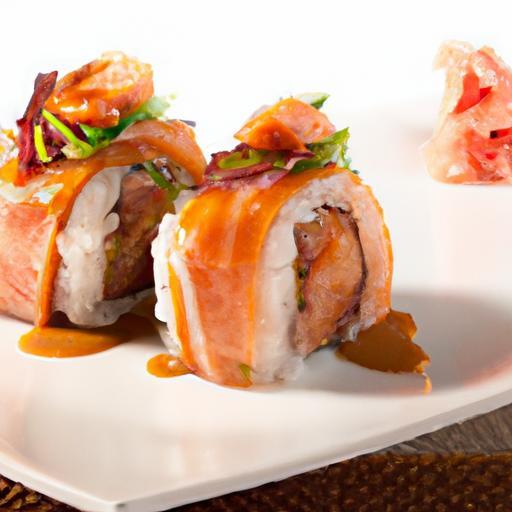
Resting on a minimalist rectangular plate, these baked salmon sushi pieces come alive with thoughtful garnishes. Serve with a side of freshly grated wasabi root or a delicate cucumber ribbon salad tossed in rice vinegar and sesame oil. For beverage pairings, opt for a light chilled green tea or a crisp yuzu sparkling water to amplify the citrus and seafood notes.
Adding microgreens or edible flowers atop the sushi can offer a burst of color and freshness, perfect for social gatherings or elegant dinners. Alternatively, transform this recipe into sushi bowls using all the same components layered individually for a deconstructed dining experience.
| nutrient | Per Serving |
|---|---|
| calories | 320 kcal |
| Protein | 22 g |
| Carbohydrates | 34 g |
| Fat | 9 g |

For more sushi inspirations, check out our detailed guide on Homemade California Rolls. To dive deeper into the health benefits of salmon, visit the Healthline salmon nutrition overview.
Q&A
Q&A: Delicious Baked Salmon Sushi – A Flavorful Twist on Tradition
Q1: What makes baked salmon sushi diffrent from traditional sushi?
A1: Traditional sushi typically features raw fish,emphasizing freshness and subtle flavors. Baked salmon sushi, on the other hand, introduces warm, tender, and slightly caramelized salmon atop vinegared rice. The baking process brings out a rich, savory depth with a comforting texture, creating a delightful fusion between cooked and raw sushi traditions.
Q2: Can I use any type of salmon for baking sushi?
A2: Absolutely! While wild-caught salmon offers a robust flavor, farm-raised salmon tends to be milder and fattier, which works beautifully when baked. just ensure your salmon is sushi-grade or very fresh since it will still be served with sushi rice and often enjoyed slightly warm.
Q3: How is the salmon typically prepared before baking?
A3: Salmon can be marinated in a blend of miso,soy sauce,ginger,and a touch of honey or maple syrup to enhance its natural sweetness and umami.It’s then baked just long enough to become flaky but juicy-usually between 8 to 12 minutes at a moderate temperature.
Q4: What toppings or garnishes complement baked salmon sushi best?
A4: Creamy elements like a drizzle of Japanese mayo or a sprinkle of toasted sesame seeds add richness and texture. Fresh scallions, thinly sliced avocado, or a hint of yuzu zest can brighten the flavors. A touch of spicy mayo or a light brush of eel sauce provides an exciting twist, elevating the dish while maintaining balance.Q5: Is baked salmon sushi suitable for sushi beginners?
A5: Definitely! For those hesitant about raw fish, baked salmon sushi offers a comforting introduction. The cooked fish provides familiarity, while the sushi components like vinegared rice, nori, and condiments introduce classic sushi flavors in an approachable way.
Q6: Can baked salmon sushi be made in rolls, nigiri, or other sushi styles?
A6: Yes, versatility is one of this dish’s strengths. Baked salmon can top hand-pressed nigiri for an elegant bite, fill a maki roll with cucumber and avocado for freshness, or even appear as a layered sushi cake. Each style brings its own charm, making the dish endlessly customizable.
Q7: How should baked salmon sushi be served for the best experience?
A7: Serve it slightly warm to enjoy the tender texture of the salmon with freshly prepared sushi rice at room temperature. Accompany with pickled ginger, wasabi, and soy sauce for dipping, offering traditional sushi accompaniments that complement the baked twist beautifully.
Q8: What are some creative variations of baked salmon sushi?
A8: try adding a crunchy topping like tempura flakes for texture contrast or a savory crumble of furikake seasoning. Incorporating a hint of citrus-like a squeeze of fresh lemon or yuzu juice before baking-can brighten the flavors. For an indulgent touch, bake salmon with a thin layer of cream cheese or drizzle with a mild, sweet teriyaki glaze.
Q9: Is baked salmon sushi a healthy choice?
A9: Yes! Salmon is rich in omega-3 fatty acids, high-quality protein, and essential vitamins. Baking preserves these nutrients without adding excess fat, while the sushi rice provides energy-boosting carbohydrates. Just be mindful of added sauces and toppings to keep the dish balanced and nutritious.
Q10: Any tips for home cooks attempting baked salmon sushi?
A10: Use a sharp knife for clean salmon slices, avoid overbaking to keep the fish moist, and prepare the sushi rice carefully with proper seasoning and cooling. Experiment with toppings and sauces gradually, and don’t be afraid to make it your own – the beauty of this dish lies in its warm yet fresh flavor harmony.
Key Takeaways
In the ever-evolving world of sushi, baked salmon offers a delightful fusion of tradition and innovation-a perfect harmony of smoky warmth and delicate seafood flavors. Whether you’re a seasoned sushi lover or a curious culinary explorer, this flavorful twist invites you to experience salmon in a whole new way. So next time you crave sushi, why not take a bite beyond the raw and dive into the comforting, savory embrace of baked salmon sushi? Your taste buds will thank you for the delicious journey.