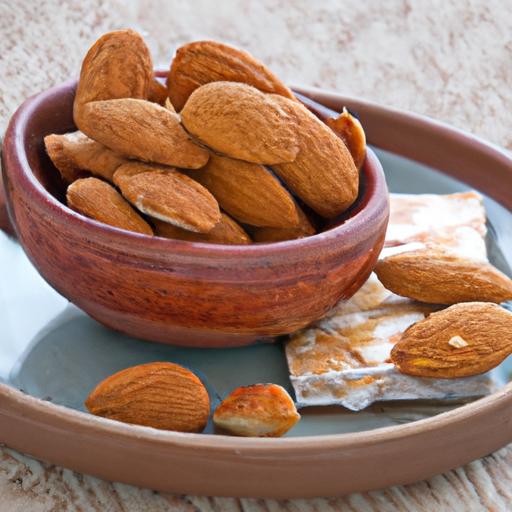

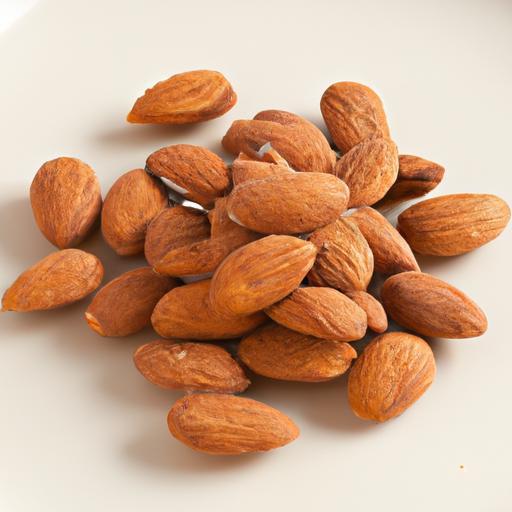
There’s a quiet magic in the humble almond-a simple nut transformed by the alchemy of heat into a symphony of flavor,aroma,and texture.Roasting almonds is more than just a culinary technique; it’s an art form that unlocks their hidden depths, turning them from mild and understated to rich, toasty, and irresistibly complex. But beyond tantalizing the taste buds, roasted almonds offer an array of benefits that nourish both body and mind. In this article, we’ll explore the delicate science behind roasting almonds, delve into its flavorful nuances, and uncover why this ancient practice remains a timeless favorite in kitchens around the world. Join us as we unlock the secrets to elevating almonds from ordinary snack to remarkable delight.
Unlocking Flavor thru the meticulous process of roasting almonds transforms these humble nuts into aromatic gems bursting with deep, complex notes. This simple culinary technique magnifies their natural sweetness and provides that irresistible crunch we crave. From ancient Mediterranean kitchens to modern gourmet creations, roasted almonds have long charmed palates worldwide, evolving far beyond a mere snack.
Prep and Cook Time
- Planning: 5 minutes
- Roasting: 12-15 minutes (depending on method)
- Total Time: 20 minutes
yield
- Approximately 1 ½ cups of perfectly roasted almonds
Difficulty Level
- Easy
Ingredients
- 2 cups whole raw almonds, skin-on or blanched
- 1 tbsp extra virgin olive oil (optional, for enhanced flavor and crispness)
- ½ tsp sea salt (adjust to taste)
- Optional toppings: pinch of smoked paprika, ground cinnamon, or a drizzle of raw honey
instructions
- Preheat your oven to 350°F (175°C). Line a baking sheet with parchment paper or a silicone mat to prevent sticking.
- in a medium bowl,toss the raw almonds with olive oil and sea salt until evenly coated.This step helps seal in moisture and intensifies flavor.
- Spread almonds in a single,even layer on the prepared baking sheet to ensure uniform roasting.
- Place the tray in the oven and roast for 12-15 minutes, gently shaking or stirring every 5 minutes to prevent burning and promote even browning.
- Watch closely during the last minutes-roasted almonds should turn golden brown and emit a fragrant, toasty aroma. Avoid over-roasting,which causes bitterness.
- Remove from the oven and transfer almonds to a cool plate or wire rack immediately to stop further cooking.
- Allow almonds to cool wholly before storing in an airtight container for up to two weeks. Cooling preserves crispness and flavor.
Tips for Success: Perfectly Roasted Almonds at Home
- Even coating: Ensure almonds are lightly coated but not drenched in oil; this prevents sogginess and encourages crispness.
- Watch the clock: Oven colour and power differ-start checking at 10 minutes to avoid burning.
- Flavor variations: For a savory spin, sprinkle with smoked paprika and garlic powder post-roast. Sweeten with cinnamon or a honey drizzle warm from the oven.
- Storage matters: keep roasted almonds in a cool,dry container to maintain crunch. Refrigerate if using flavored coatings to retain freshness.
- Experiment with dry roasting: For an oil-free version, roast almonds on a dry pan over medium heat, stirring constantly until fragrant (about 7-8 minutes).
Health Benefits Enhanced through Almond Roasting
Roasting almonds not onyl enhances their tasty flavor but can also boost digestibility and unlock nutrients.Heat helps break down tannins in the skin, making antioxidants and healthy fats more bioavailable. Roasted almonds retain heart-healthy monounsaturated fats and provide an excellent source of vitamin E, magnesium, and fiber-all integral to balanced well-being.
Just be mindful to avoid excessive roasting temperatures or times, which may degrade some sensitive nutrients. When enjoyed mindfully, roasted almonds become a nourishing, satisfying snack that supports metabolism, brain function, and even skin health.
Creative Culinary Uses to Elevate Dishes with Roasted Almonds
Roasted almonds are as versatile as they are flavorful. Here are inspiring ways to add intrigue and texture to everyday dishes:
- Salads: Toasted almond slivers add inviting crunch and a subtle nutty warmth-try them atop vibrant kale and quinoa bowls.
- Baking: Incorporate coarsely chopped roasted almonds into muffins, granola bars, or homemade biscotti for depth and texture.
- Spreads & Sauces: Blend almonds into pestos, nut butters, or creamy dips to introduce a rich buttery undertone.
- Breakfast boosts: Sprinkle over oatmeal or yogurt parfaits along with fresh fruit and honey for a balanced, flavorful start.
- Main Courses: Use crushed roasted almonds as a crust for baked chicken or vegetables to lock in moisture and add irresistible crunch.

Nutritional Information per 1 oz (28g) Serving
| Calories | Protein (g) | carbohydrates (g) | Fat (g) |
|---|---|---|---|
| 170 | 6 | 6 | 15 |
By mastering this simple yet transformative roasting technique, you’re not just preparing snacks-you are unlocking flavor that elevates your culinary creations to new heights. For deeper insights into nuts’ nutritional profiles and roasting science, visit the Harvard T.H. Chan School of Public Health’s nutritionsource.
Discover more inspiration in our healthy snacking recipes to maintain flavorful, wholesome eating daily.
Q&A
Q&A: Unlocking Flavor – The Art and Benefits of Roasted Almonds
Q1: What makes roasting almonds such a special process?
Roasting almonds is like unlocking a hidden treasure chest of flavor. Through gentle heat, the nuts transform-developing a deeper, nuttier aroma and a satisfying crunch. This simple act elevates their natural sweetness and brings out subtle caramel and toasty notes that raw almonds tend to hide.
Q2: How does roasting affect the nutritional profile of almonds?
While roasting enhances flavor, it also slightly alters the nutrient availability. The heat can reduce certain heat-sensitive vitamins like vitamin E, yet it can increase antioxidant activity by transforming some compounds. roasted almonds remain a powerhouse of healthy fats, protein, fiber, and essential minerals.
Q3: are there different methods of roasting almonds,and how do they impact the taste?
Absolutely! Oven roasting,stovetop roasting,and even air roasting each bring their own character. Oven roasting produces an even, slow toast that develops rich flavor throughout. Stovetop roasting offers greater control with quicker heat, perfect for a crispier finish.Air roasting,a newer technique,uses hot air to achieve a lighter roast with less oil,preserving the almond’s pure flavor.
Q4: Can roasting almonds enhance their digestibility?
Yes, gently roasting almonds can make them easier to digest.The heat helps break down complex compounds and neutralizes certain enzyme inhibitors that raw almonds naturally contain,making their nutrients more accessible to your body.
Q5: What are some creative ways to enjoy roasted almonds beyond snacking?
Roasted almonds are incredibly versatile! Chop or crush them for a crunchy salad topper, blend into dressings for a nutty depth, or grind into almond butter with an irresistible roasted aroma. They also make a sumptuous addition to baked goods,grain bowls,or even homemade granola,lending texture and flavor.
Q6: How can one roast almonds at home to get the perfect flavor?
Start with raw, whole almonds and preheat your oven to around 325°F (160°C). Spread the almonds in a single layer on a baking sheet. Roast for about 12-15 minutes, stirring halfway through to toast evenly. Keep a close eye to prevent burning-the sweet spot is a golden brown color and an irresistible, toasty smell! For flavored twists, toss with a pinch of sea salt, cinnamon, or a drizzle of honey after roasting.
Q7: Are roasted almonds a good snack choice for health-conscious eaters?
Definitely! Roasted almonds provide satisfying crunch and flavor without needless additives, especially when prepared at home or chosen without added sugars or excess oils. Their balance of protein,fiber,and heart-healthy fats makes them an energizing,nutrient-rich snack perfect for mindful eating.
Q8: Does roasting almonds affect their shelf life?
Roasting slightly reduces shelf life compared to raw almonds due to exposure to heat and possible oil release, which can speed rancidity if not stored properly. To keep them fresh longer, store roasted almonds in an airtight container in a cool, dark place-or refrigerate them to preserve their vibrant flavor and crunch.
Unlock the magic of roasted almonds, and you’ll discover a world where simple nuts become blossoms of flavor and nourishment on your palate.
To Conclude
As we’ve uncovered, the journey of the humble almond from raw kernel to roasted delight is truly a transformative art-one that unlocks layers of flavor, aroma, and texture unmatched in the nut world. Beyond their tantalizing taste and satisfying crunch, roasted almonds offer a treasure trove of nutritional benefits, making them as good for your body as they are for your palate. Whether enjoyed as a wholesome snack, a gourmet ingredient, or a simple kitchen staple, roasting almonds invites us to savor nature’s bounty in its moast elevated form. So next time you reach for a handful,remember: there’s a world of flavor waiting to be discovered,patiently roasted and ready to enrich your culinary experience.