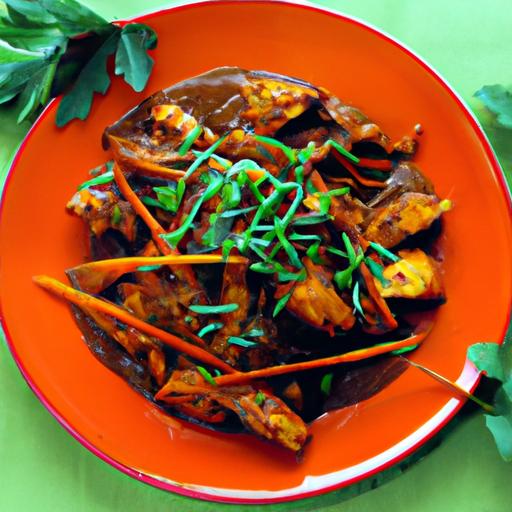

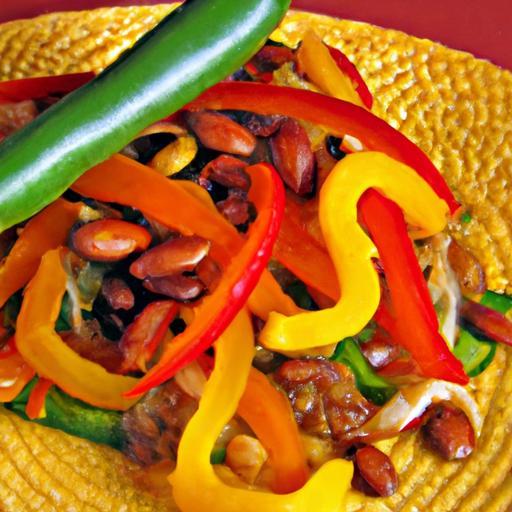
There’s a thrill in the first bite that awakens your taste buds,a fiery dance of flavors that both challenges and delights.”Tasty & Spicy: Exploring Flavors That Ignite the Senses” invites you on a sensory journey through the vibrant world of heat and zest. From the smoky depths of chipotle to the tongue-tingling kick of Szechuan peppercorns,spicy cuisine is more than just a culinary choice-it’s an adventure that embraces culture,chemistry,and passion. In this article, we’ll uncover the secrets behind what makes spicy foods so irresistible, how they stimulate both body and mind, and why the love for heat continues to captivate food lovers across the globe. Prepare to savor the bold and the fiery, as we explore flavors that truly set the senses ablaze.
Delicious & spicy flavors have an unusual way of awakening our senses and transforming everyday meals into unforgettable experiences. From the warm, smoky depth of smoked paprika to the vibrant kick of fresh chili peppers, spices do more than just add heat-they build complex layers of taste and aroma that captivate the palate. Understanding the science behind these fiery flavors enriches our cooking journey, helping us craft dishes that balance intensity with harmony.
Prep and Cook Time
Planning: 15 minutes
Cooking: 30 minutes
total Time: 45 minutes
Yield
Serves 4 generously
Difficulty Level
Medium – approachable for adventurous cooks ready to explore layers of spice
Ingredients
- 2 tablespoons olive oil
- 1 medium yellow onion,finely diced
- 4 cloves garlic,minced
- 1 inch piece fresh ginger,grated
- 2 medium tomatoes,finely chopped
- 1 teaspoon smoked paprika
- 1 teaspoon ground cumin
- 1 teaspoon coriander powder
- ½ teaspoon ground turmeric
- 1 teaspoon chili powder (adjust to taste)
- 1 fresh red chili,sliced thinly (optional for extra heat)
- 400g (14 oz) chickpeas,cooked (or canned,drained and rinsed)
- 1 cup coconut milk
- Salt and freshly ground black pepper,to taste
- Fresh cilantro leaves,for garnish
- Juice of half a lemon
Instructions
- Heat olive oil in a deep skillet over medium heat. add diced onions and sauté until translucent and slightly golden, about 5 minutes. Stir occasionally to ensure even cooking and prevent sticking.
- Add minced garlic and grated ginger. Cook for an additional 1-2 minutes until fragrant, stirring constantly to release their full aroma.
- Incorporate the chopped tomatoes and cook down until soft and saucy, approximately 7-8 minutes. This slow simmer builds a rich, flavorful base essential for the dish’s depth.
- Mix in smoked paprika, cumin, coriander, turmeric, and chili powder. Toast the spices gently for about 2 minutes, stirring frequently to unlock their essential oils and deepen the flavor.
- Add sliced fresh chili if using, and stir well to disperse the heat evenly.
- Pour in the chickpeas and coconut milk, stirring to combine. Reduce heat to low and let the curry simmer for 15 minutes, allowing the flavors to marry beautifully.
- Season generously with salt and black pepper and finish with a squeeze of fresh lemon juice to brighten the dish.
- Garnish with chopped cilantro before serving. This final touch introduces a fresh herbal contrast to the bold spices.
Chef’s Notes: Tips for Success
- Adjusting spice levels: Start with half the chili powder if you prefer mild heat, and add more to taste. Fresh chili can be omitted or swapped for mild peppers.
- Ingredient substitutions: use canned tomatoes if fresh are out of season, but reduce added salt accordingly.
- Make-ahead magic: This dish develops even richer flavor when prepared a day in advance-perfect for meal prep or entertaining.
- Texture tweak: For a creamier curry, blend half the chickpeas and stir back in before adding coconut milk.
- Do not skimp on toasting your spices, this step is crucial as it activates and intensifies the heat and fragrance that make the dish truly shine.
Serving Suggestions
Serve this vibrant curry over steamed basmati rice or warm whole-grain flatbreads. Add a cooling side like cucumber raita or a dollop of dairy-free yogurt to balance the spice. Garnish with lime wedges and extra cilantro for inviting color and brightness. For an elevated presentation, sprinkle toasted pumpkin seeds or chopped roasted nuts for a delightful crunch.

| Nutrient | Per Serving |
|---|---|
| Calories | 330 kcal |
| Protein | 14g |
| Carbohydrates | 35g |
| Fat | 12g |
Unlocking the Essence: How to Balance Spice and Flavor in Everyday Cooking
Understanding delicious & spicy combinations means appreciating that spice is just one player in a symphony of flavors.Complementing fiery notes with acidity, fat, and sweetness builds balance and ensures every bite delights rather than overwhelms. experiment with fresh herbs, citrus elements, and creamy textures to create dishes that invite repeat enjoyment and glowing compliments from the table.
For more adventurous spice blends and guidance on mastering global heat, check out our in-depth Guide to Global Spices and visit the Science Daily article exploring capsaicin and flavor science to deepen your understanding of how heat impacts taste perception.
Q&A
Q&A: Delicious & spicy – Exploring flavors That Ignite the Senses
Q1: What makes a dish truly spicy, beyond just heat?
A1: Spiciness is often equated with heat, but the sensation is much richer.It’s the vibrant interplay of capsaicin-the compound in chili peppers that triggers our heat receptors-and aromatic spices like cumin, coriander, or smoked paprika that layer complexity. Spicy food excites multiple senses simultaneously, creating a dynamic balance of warmth, fragrance, and flavor that can be both invigorating and comforting.
Q2: How do different cultures incorporate spicy flavors uniquely in their cuisines?
A2: Around the globe, spicy flavors take diverse and creative forms. in india, a symphony of spices like cardamom, turmeric, and fresh green chilies transform dishes into fragrant masterpieces. Mexico celebrates fiery chilis paired with fresh herbs and citrus, giving an explosive yet fresh taste. Thai cuisine masterfully balances spicy heat with sweet, sour, and salty notes using ingredients like bird’s eye chilies, galangal, and lime leaves, delivering a sensory adventure that teases and delights.
Q3: Can spicy foods affect our mood or health?
A3: Absolutely! Spicy foods stimulate endorphin release, which can elevate mood and create a sense of euphoria, much like a mild natural high. From a health outlook, capsaicin has been linked to increased metabolism, improved circulation, and even pain relief. However, spice tolerance varies, so it’s best to listen to your body and enjoy the heat at your own pace.
Q4: What are some unexpected ingredients that add spice without traditional chili peppers?
A4: Spiciness isn’t exclusive to chilies. Ingredients like black peppercorns,ginger,horseradish,and mustard seeds introduce heat with different flavor profiles. Such as,ginger offers a warm,zesty spice that evokes a gentle tingling,while horseradish delivers a sharp,nasal-clearing punch,expanding the palette of heat sensations.
Q5: How can someone experiment with spice levels without overwhelming their palate?
A5: the key is gradual layering and tasting. Start by incorporating milder spices like paprika or sweet chili flakes, than slowly introduce hotter elements such as smoked chipotle or fresh jalapeño. balancing spice with cooling ingredients-like yogurt, coconut milk, or fresh herbs-can temper heat while enhancing overall flavor. Remember, spice is a journey, not a race.
Q6: Are there different types of spicy heat people experience?
A6: Yes! Capsaicin in chilies produces a burning heat felt on the tongue and lips,while spices like black pepper cause a sharp prickliness.Wasabi and horseradish trigger a nasal, almost sinus-clearing heat, distinct from the lingering warmth of cayenne. Understanding these variations helps creators build nuanced dishes that surprise and satisfy.
Q7: What role do aromas play in enhancing spicy food experiences?
A7: Aromas are the invisible architects of flavor. When combined with spice, they deepen the sensory impact. As a notable example, the smoky scent of chipotle or the citrusy notes of kaffir lime leaves amplify the heat’s intensity without overwhelming it. Aromatic spices invite the nose to engage, making the eating experience multi-dimensional and unforgettable.
Q8: How can spicy flavors be incorporated in sweet dishes?
A8: Spicy and sweet are a classic culinary duet.A dash of cayenne in chocolate desserts or chili-infused honey on fruit creates unexpected warmth and complexity. These combinations play on contrasts-sweetness soothes,while spice invigorates-resulting in desserts that tease the senses and linger in memory.
Q9: What advice would you give to a beginner wanting to explore spicy cooking?
A9: Embrace curiosity and start small. Experiment with familiar spices before diving into intense heat.Use fresh ingredients when possible, as their brightness complements and balances spice. Pair spicy dishes with neutral sides like rice or bread to mellow the heat if needed. Most importantly, savor the experience-it’s about discovery, flavor, and joy.
This Q&A invites readers on a flavorful expedition, offering insight and inspiration for anyone eager to ignite their senses with delicious and spicy creations-sans pork, with pure culinary creativity!
Key Takeaways
As we wrap up this flavorful journey through the world of delicious and spicy cuisine, it’s clear that these vibrant tastes do more than just tantalize the tongue-they awaken the senses, spark curiosity, and bring cultures to life. Whether it’s the smoky heat of chipotle, the fiery kick of Sichuan peppercorns, or the bold zest of fresh chili, each spice tells a story waiting to be savored.So next time you crave a little excitement on your plate, remember: embracing the heat is not just about flavor-it’s an invitation to explore, experience, and ignite every sense along the way.