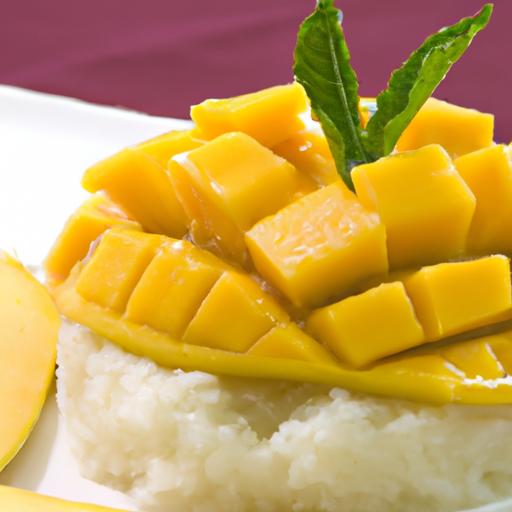

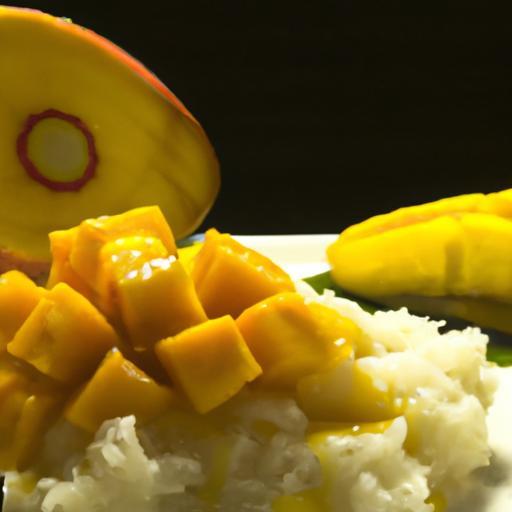
In the vibrant tapestry of Southeast Asian cuisine, few treats captivate the senses quite like sticky mango rice-a dessert that weaves together simplicity and sophistication into every luscious bite. “Sweet Harmony: The Art of Sticky Mango Rice Delights” invites you on a flavorful journey to discover how this humble dish transforms sticky rice and ripe mango into an irresistible symphony of textures and tastes. Beyond its sweet, creamy allure lies a rich cultural heritage and a careful craftsmanship that celebrates balance, tradition, and the joyous art of pairing flavors. Step into the world were fragrant jasmine rice meets golden mangoes,united in a dance of sticky,silky perfection-a true testament to the sweet harmony of culinary artistry.
Sweet Harmony: The Art of Sticky Mango rice delights invites you on a sensory journey into one of Southeast Asia’s most cherished desserts. This luscious combination of velvety coconut-infused sticky rice paired with sun-ripened mangoes is more than just a sweet treat-it’s a celebration of tradition, texture, and tropical sweetness that transcends seasons. Rooted deeply in Thai culture, sticky mango rice (known locally as “khao niao mamuang”) brings families together during harvest festivals, symbolizing prosperity and gratitude. The tender, glossy pearls of glutinous rice soaked in rich coconut cream form a perfect stage for the mango’s luscious, honeyed flesh, creating an unforgettable balance that keeps food lovers coming back for more.
Prep and Cook Time
- Readiness: 20 minutes (plus soaking time)
- Cooking: 30 minutes
- Total Time: Approximately 1 hour (including rice soaking)
Yield
serves 4 generous portions
Difficulty Level
medium – requires attention to rice texture and timing, but straightforward with this guide
Ingredients
- 1 cup of glutinous (sticky) rice, rinsed and soaked for at least 4 hours or overnight
- 1 1/4 cups coconut milk (preferably full fat)
- 1/2 cup granulated sugar
- 1/4 tsp salt
- 2 large ripe mangoes, peeled and sliced
- 1 tbsp toasted sesame seeds or mung beans (optional, for garnish)
- Fresh Thai basil or mint leaves (optional, for garnish)
Instructions
- prepare the sticky rice: Drain the soaked rice and steam it over boiling water using a bamboo steamer or a traditional steamer basket lined with cheesecloth. Steam for about 20-25 minutes untill the rice grains become tender but still maintain a slight chew.
- Make the coconut sauce: While the rice steams,combine the coconut milk,sugar,and salt in a saucepan over medium heat. Stir gently until the sugar dissolves, heating the mixture but not boiling-this enhances the coconut’s natural richness.
- Mix the rice with coconut sauce: Transfer the hot steamed rice into a large mixing bowl. Promptly pour about 1 cup of the warm coconut sauce over the rice, folding carefully to coat every grain but keeping the texture intact. Cover with a lid or plastic wrap and let it absorb the flavors for 20 minutes. This step is crucial for that signature creamy texture.
- Prepare the mangoes: Select mangoes that are fragrant, shining yellow with a slight blush, and slightly soft to the touch. Slice them thoughtfully into even pieces-this ensures the perfect bite alongside the sticky rice.
- Plate and garnish: Spoon a generous mound of the creamy sticky rice onto serving plates. Fan the mango slices beside the rice.Drizzle any remaining coconut sauce on top for extra indulgence. Sprinkle with toasted sesame seeds or mung beans and adorn with fresh Thai basil or mint leaves for a burst of color and aroma.
Chef’s Notes: tips for Success
- Rice soaking: Don’t skip the soaking step-it softens the grains and prevents uneven cooking.
- Balance sweetness: Taste the coconut sauce before mixing it into the rice; adjust sugar to suit your palate. Authentic sticky mango rice teeters on the edge of delicately sweet.
- Mango variety: For true authenticity, use Kent or Ataulfo mangoes, wich deliver rich aroma and silky flesh.
- Make-ahead: Coconut sticky rice is best fresh but can be kept refrigerated for 1 day. Reheat gently in a steamer or microwave with a splash of coconut milk to refresh its creaminess.
- Texture check: The rice should be sticky but not mushy-glutinous rice cooking times can vary, so monitor closely.
Serving Suggestions
Serve this delight chilled or at room temperature for maximum enjoyment. For an elevated presentation, plate in bamboo leaf cups or on palm leaf plates. Complement with a sprinkle of crunchy toasted coconut flakes or edible flowers to enchant the eyes as well as the palate. Pair this dessert with a light cup of jasmine tea or iced lemongrass green tea to cleanse the palate and enhance the tropical vibe.

| Nutrient | per Serving |
|---|---|
| Calories | 350 kcal |
| Protein | 4 g |
| Carbohydrates | 60 g |
| Fat | 8 g |
For a deeper dive into classic Thai desserts or exploring complementary dishes for your meal, explore our curated recipes. Experience the true sweet harmony that only perfectly crafted sticky mango rice can provide.
Q&A
Q&A: Sweet Harmony: the Art of Sticky Mango Rice Delights
Q1: What is sticky mango rice, and why is it considered a sweet harmony?
A1: Sticky mango rice, often known as mango sticky rice, is a beloved Southeast Asian dessert that marries the creamy, fragrant texture of glutinous rice with the vibrant sweetness of ripe mangoes. The harmony arises from the perfect balance between the subtly salty coconut-infused rice and the lush, juicy mango slices, creating a symphony of flavors and textures that delight the palate.
Q2: What makes the rice in sticky mango rice special compared to regular rice?
A2: The secret lies in glutinous or sticky rice, which has a unique starch composition that makes it cling together when cooked. This results in a luscious, chewy texture that contrasts beautifully with the soft mango. When soaked in sweetened coconut milk, this sticky rice transforms into a velvety bed for the mango’s natural sweetness.
Q3: How is the coconut milk prepared to complement the sticky rice?
A3: Coconut milk is gently simmered with sugar and a pinch of salt to create a rich, creamy sauce that elevates the sticky rice’s flavor. The slight saltiness cuts through the sweetness, enhancing the overall depth. Careful attention to temperature ensures the coconut milk thickens slightly without curdling, resulting in a silky topping that envelopes every grain.Q4: Can sticky mango rice be enjoyed at any time of the year, or is it seasonal?
A4: While sticky mango rice is most popular during mango season-when the fruit is at its peak ripeness-it can be enjoyed year-round with frozen mangoes or other tropical fruits like pineapple or lychee. However, purists often insist that the magic truly happens when the mango is fresh and fragrant, singing in sweet harmony with the rice.
Q5: Are there any tips for selecting the best mango for this dessert?
A5: Absolutely! The ideal mango is fragrant, slightly soft to the touch, and bursting with vibrant golden-yellow flesh. Varieties like Ataulfo or Nam Dok Mai are prized for their sweetness and smooth texture.Avoid underripe or overly firm mangoes, as they lack the succulence needed to complement the creamy rice.
Q6: What cultural significance does sticky mango rice hold?
A6: Sticky mango rice is more than just a dessert; it embodies hospitality, celebration, and the joy of shared meals in many Southeast Asian cultures. It often appears at festivals and special occasions, symbolizing abundance and the delicate balance between nature’s gifts and human creativity.
Q7: can the recipe be adapted for those with dietary restrictions?
A7: Certainly! Sticky mango rice is naturally gluten-free and can be made vegan by using pure coconut milk and organic sugar. For those who prefer less sweetness, the sugar can be reduced or swapped for natural sweeteners like palm sugar or maple syrup. The dish’s versatility makes it accessible to many palates and dietary needs.
Q8: What makes the presentation of sticky mango rice an art form?
A8: Presentation is all about showcasing the vibrant colors and textures-the glossy golden mango slices arranged like rays of sunshine beside the glistening mound of pearly sticky rice, drizzled with silky coconut sauce and sometimes sprinkled with toasted mung beans or sesame seeds for a crunchy contrast. This thoughtful plating transforms a humble dessert into a feast for the eyes as well as the taste buds.
Q9: Are there creative variations worth exploring beyond the traditional recipe?
A9: Yes! Culinary artists often experiment by infusing the coconut milk with pandan leaves or kaffir lime zest to impart subtle floral or citrus notes. Some add a sprinkle of edible flowers or a hint of chili powder for contrast. Others serve the dish in coconut shells or banana leaves, enhancing the sensory experience with natural aromas and eco-friendly flair.
Q10: Why does sticky mango rice remain a global favorite among fruit desserts?
A10: Its worldwide appeal lies in its simplicity and elegance-the union of just a few wholesome ingredients producing a complex flavor profile. Sticky mango rice offers comfort and celebration in one bite, inviting anyone, anywhere, to experience a moment of sweet harmony that resonates far beyond the plate.
Key Takeaways
sticky mango rice is far more than just a beloved dessert; it is a vibrant celebration of culture, flavor, and tradition woven together in perfect harmony.Each velvety grain of sticky rice, infused with sweet coconut milk, embraces the luscious, sun-kissed mango slices, creating a symphony of textures and tastes that dance on the palate. As you indulge in this sweet harmony, you’re not only savoring a dish but also partaking in an artistic expression that has traveled through generations, inviting you to appreciate the timeless magic found in simplicity. Whether enjoyed under the shade of tropical leaves or recreated in your own kitchen, sticky mango rice remains a delectable tribute to the beauty of culinary art and the joy of shared moments.