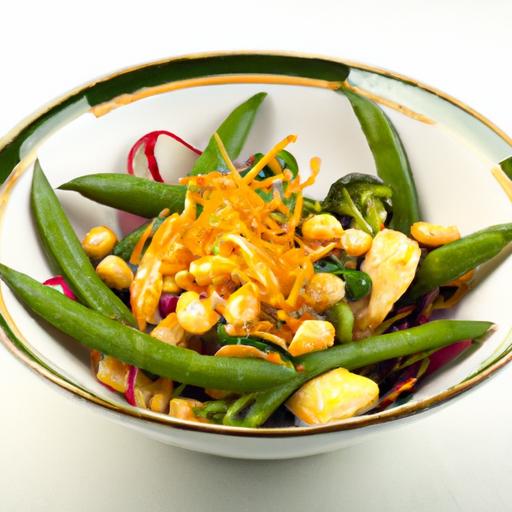

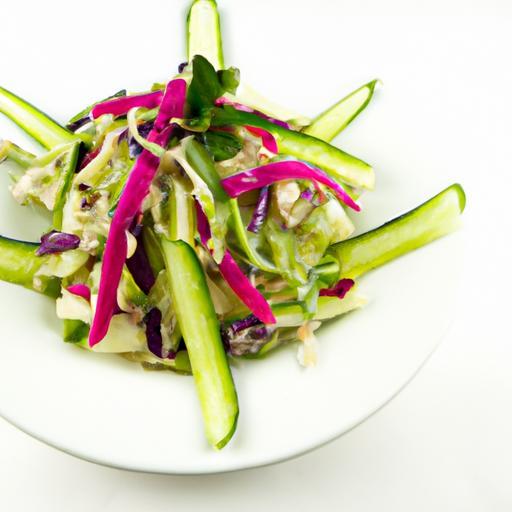
Beneath the vibrant hues and fresh aromas of your favorite vegetables lies an unsung hero that gives them their satisfying snap and delightful crunch: cellulose. This natural carbohydrate weaves an intricate framework within plant cell walls, holding the key to that irresistible texture we crave. But what exactly is cellulose, and how does it work its magic to keep our veggies crisp from farm to fork? Join us as we peel back the layers and unlock the science behind the crunch, revealing how this mighty fiber shapes not just the taste, but the vrey experience of eating vegetables.
Understanding Cellulose structure and Its Role in Vegetable Texture
Unlocking Crisp Crunch reveals the interesting science behind what makes your vegetables irresistibly crunchy and fresh. At the heart of this sensory delight lies cellulose, a tough carbohydrate fiber that acts as the architectural framework of plant cell walls.This fibrous skeleton lends vegetables their sturdy texture, keeping them crisp and resilient during cooking and storage. Appreciating cellulose’s role helps you master the art of preparing vegetables that retain vibrant crunch and remarkable freshness.
The science Behind Veggie Crunchiness and How Cellulose Maintains Freshness
The key to that exhilarating snap when biting into fresh veggies is the robust cellulose matrix interwoven with other polysaccharides like hemicellulose and pectin. These fibers form rigid cell walls, preventing the cells from collapsing under pressure. Water locked inside these cells creates turgor pressure, which synergizes with cellulose to maintain crispness. When the cellulose structure is compromised-whether through overcooking, poor storage, or enzymatic breakdown-the vegetable softens and loses its signature snap.
Exploring this biological infrastructure sheds light on how vegetables signal freshness. Crispness directly correlates to how intact the cellulose and cell turgor are. For example, a freshly picked carrot or celery stalk has densely packed cellulose fibers holding water, resulting in that signature snap. By contrast, limp vegetables have broken-down cellulose, leading to diminished texture and flavor.
Techniques to Preserve Cellulose Integrity During Cooking and Storage
To truly unlock crisp crunch in your vegetables, handling them with care is essential. Start by choosing vegetables that are firm and vibrant, avoiding those with wrinkles or soft spots-those are signs of cellulose degradation. Once home, store them in cool, humid environments, like the vegetable crisper drawer, wrapped loosely in breathable materials to maintain moisture balance without trapping ethylene gas, which accelerates cell breakdown.
When cooking, opt for methods that respect the cellulose framework:
- Blanching: A quick dunk in boiling water followed by an ice bath halts enzyme activity while maintaining cellulose strength.
- Steaming: Gentle and fast, steaming prevents the breakdown of cellulose that prolonged boiling might cause.
- Sautéing and Roasting: Use moderate heat and brief cooking times to avoid cellulose softening.
adding acidity like lemon juice or vinegar during or after cooking can definitely help stabilize cellulose and brighten flavor. avoid overcooking-once vegetables feel tender, quickly remove them from heat to lock in texture.
Choosing and Preparing Vegetables to Maximize Crispness and Flavor
Begin your culinary journey by selecting vegetables known for a naturally crisp cellulose matrix such as bell peppers, cauliflower, snap peas, broccoli, and root vegetables like carrots and turnips. Look for visuals signaling freshness: taut skin, rich color, and a firm snap when lightly pressed. To enhance cellulose strength before cooking, soak veggies in cold water for 20-30 minutes; this replenishes turgor pressure inside the cells, making produce crispier and more refreshing.
When prepping,minimize cutting or bruising early on to prevent cellulose damage. Use sharp knives for clean cuts, which preserve cell walls rather than tearing them. Salt vegetables lightly to draw out excess moisture, then rinse to maintain balance-this technique concentrates texture and flavor. For raw applications,consider marinating in acidic dressings that preserve cellulose while enriching flavors.
Prep and Cook Time
- Readiness: 15 minutes
- Cooking: 10 minutes (varies depending on method)
Yield
Serves 4 as a vibrant side or fresh snack
Difficulty Level
Easy to medium – Perfect for home cooks eager to explore vegetable textures!
Ingredients
- 2 cups bell peppers, sliced into ½-inch strips
- 1 cup snap peas, trimmed
- 1 cup carrot sticks, peeled and cut into matchsticks
- 1 tablespoon lemon juice
- 1 teaspoon sea salt
- 1 tablespoon olive oil (optional, for sautéing)
- Fresh herbs (parsley or chives), finely chopped for garnish
- Ice water, for soaking vegetables
Instructions
- Soak the Vegetables: Immerse the sliced bell peppers, snap peas, and carrot sticks in a bowl of ice water for 20 minutes to reinvigorate their cellulose structure and crispness.
- Drain and Pat Dry: Remove vegetables from the ice water and dry thoroughly with a clean kitchen towel or paper towels to remove excess moisture.
- Salt lightly: Sprinkle the vegetables evenly with sea salt and toss gently to draw out moisture, then rinse briefly to prevent over-salting. Pat dry again.
- Choose Your Cooking Method: For raw crunch, proceed to the next step. For a warm variation,heat olive oil in a large skillet over medium heat.
- Sauté (Optional): Add vegetables to the skillet and cook for 3-5 minutes, stirring gently, until the edges are slightly golden but the centers still firm and crunchy.
- Add Acidity: whether raw or cooked, drizzle with fresh lemon juice and toss to coat. This brightens the flavor and helps stabilize the cellulose texture.
- Plate and Garnish: Arrange vegetables on a serving platter and sprinkle with fresh chopped herbs for color and aroma.
Tips for Success
- Use a sharp chef’s knife to avoid crushing cells and losing crispness.
- Blanch thicker vegetables like carrots briefly before soaking to soften slightly while preserving crunch.
- Store prepped vegetables in a sealable container lined with a damp paper towel for extra moisture retention.
- To elevate flavor, add a pinch of smoked paprika or a sprinkle of toasted sesame seeds along with herbs.
- Prep vegetables just before serving for maximum texture and freshness, or cool cooked veggies quickly in ice water to halt cooking immediately.
Serving Suggestions
This fresh vegetable medley shines as a colorful side salad, a vibrant crudité platter dipper, or a crisp topping for grain bowls and sandwiches. Garnish with edible flowers or a light sprinkle of toasted nuts for extra texture. Pair with hummus, tzatziki, or your favorite tangy yogurt sauce to add creamy contrast and complement the vegetables’ natural sweetness and snap.
| Nutrient | Amount per Serving |
|---|---|
| Calories | 60 kcal |
| Protein | 2 g |
| Carbohydrates | 14 g |
| Fat | 3 g (from olive oil) |
| Fiber | 4 g |

For more insights on vegetable preparation, check out our guide on Mastering Vegetable Flavors. To dive deeper into the science of plant fibers, the sciencedirect article on cellulose is a valuable resource.
Q&A
Unlocking Crisp Crunch: The Secret of Veggies’ cellulose – Q&A
Q1: what makes vegetables so satisfyingly crisp when you bite into them?
A1: That delightful crunch comes down to cellulose, a fibrous carbohydrate forming the rigid scaffolding inside plant cell walls. Think of cellulose as nature’s tiny, tough building blocks that keep veggies firm and snap-worthy.
Q2: Can you explain cellulose in simple terms?
A2: Absolutely! Cellulose is a natural polymer made of long chains of glucose molecules. Unlike starch, which plants use for energy storage, cellulose provides structure and support. Imagine a veggie’s cell walls woven tightly with cellulose fibers – this meshwork gives them their sturdy,crisp texture.
Q3: Why do some vegetables stay crisp longer than others?
A3: It boils down to the amount and arrangement of cellulose and other structural polysaccharides like hemicellulose and pectin in their cell walls. Vegetables like celery and carrots have densely packed cellulose fibers, which keeps them crunchy well after harvesting. softer veggies tend to have less cellulose or weaker cell wall integrity.
Q4: How does cooking affect the cellulose and the crispness of vegetables?
A4: Heat softens veggies by breaking down pectin and hemicellulose, making cell walls more flexible. However, cellulose is more heat-resistant and doesn’t easily dissolve. That’s why some cooking methods – like quick blanching or steaming – can preserve crunch better than slow, prolonged cooking.
Q5: Are there practical tips to keep veggies crunchy at home?
A5: Yes! Soaking cut veggies in ice-cold water helps rehydrate and stiffen dehydrated cellulose fibers, reviving their snap.Storing vegetables properly to avoid moisture loss also preserves the integrity of their cellulose framework, keeping your produce crisp and fresh longer.
Q6: Does cellulose have benefits beyond texture?
A6: Definitely. Cellulose is also an vital dietary fiber for humans. While we can’t digest it, it promotes digestive health by aiding regularity and feeding beneficial gut bacteria. So, that satisfying crunch is also a friend to your gut!
Q7: Can understanding cellulose help in food innovation?
A7: For sure! Food scientists leverage knowledge of cellulose to develop better plant-based products with desirable textures. From crispy veggie chips to meat-free burgers,mastering cellulose’s role unlocks the perfect bite-crispy,crunchy,and utterly tasty.
Q8: Why does cellulose make some veggies resistant to spoilage?
A8: The sturdy network of cellulose not only maintains texture but also acts as a barrier against microbes and moisture loss. This natural armor slows down spoilage and helps veggies stay fresh-another reason that crispness is a sign of good quality.
Q9: Is cellulose found only in vegetables?
A9: No,cellulose is widespread in the plant kingdom. It’s the main structural component in leaves, stems, fruits, and even woody plants. But when it comes to that satisfying crunch on your plate, vegetables are the star players showing off cellulose’s structural magic.
Q10: How can we appreciate cellulose the next time we crunch on veggies?
A10: Think of each bite as a tiny celebration of nature’s architectural genius. Those crisp, resistant cell walls made from cellulose are what make fresh vegetables uniquely enjoyable – a crunchy connection between you and the plant world’s living framework.
Wrapping Up
As we’ve peeled back the layers of veggie anatomy, the humble cellulose emerges not just as a structural fiber, but as the unsung hero behind every satisfying crunch. This intricate cellular network transforms simple plants into vibrant, textural delights, turning ordinary bites into sensory experiences. So next time you savor that crisp snap in your salad or enjoy the satisfying crunch of a fresh carrot, remember-it’s cellulose working quietly yet powerfully, unlocking the secret to nature’s irresistible crispness. embracing this knowledge not only deepens our appreciation for vegetables but also invites us to explore new ways to celebrate their textures in our culinary adventures.