
In the vibrant world of culinary delights, few dishes captivate the palate quite like teriyaki chicken-a harmonious blend of sweet, savory, and umami that dances effortlessly on the tongue. But beneath its glossy, caramelized surface lies a fascinating story of craftsmanship and cultural tradition, where every brushstroke of sauce and careful marination unlocks layers of flavor that transform simple ingredients into a symphony of taste. In this article, we delve into the art and magic of teriyaki chicken, unraveling the secrets behind its irresistible allure and guiding you through the techniques that bring this beloved dish to life in kitchens around the globe.
Unlocking Flavor: The Art and Magic of Teriyaki Chicken begins with a deep gratitude of the sauce that defines this classic dish. Teriyaki sauce is more then just a glaze-it’s a harmonious balance of traditional ingredients, each playing a vital role in creating the perfect marinade that bursts with sweet, savory, and umami notes.This culinary journey invites you to master every element, turning simple chicken into a masterpiece of caramelized goodness.
Prep and Cook Time
- Preparation: 15 minutes
- Marinating: 30-60 minutes (recommended for depth of flavor)
- Cooking: 15 minutes
- Total Time: Approximately 1 hour
Yield
serves 4 generously
difficulty level
Easy to Medium – Ideal for home cooks eager to elevate their weekly dinner with authentic Asian flavors.
Ingredients
- 1/2 cup soy sauce (preferably low sodium for balanced saltiness)
- 1/4 cup mirin (Japanese sweet cooking rice wine, provides sweetness and shine)
- 2 tablespoons sake (adds depth and softens the meat texture)
- 3 tablespoons brown sugar (for caramelization and mellow sweetness)
- 2 garlic cloves, minced (lends aromatic warmth)
- 1 teaspoon freshly grated ginger (adds subtle heat and brightness)
- 2 tablespoons vegetable oil (for cooking chicken)
- 1 lb boneless, skinless chicken thighs or breasts (thighs for juiciness, breasts for leaner option)
- 1 teaspoon cornstarch mixed with 2 tablespoons water (optional, to thicken glaze)
- sesame seeds and sliced green onions (for garnish)
Instructions
- Prepare the Teriyaki Sauce: In a medium bowl, whisk together soy sauce, mirin, sake, brown sugar, minced garlic, and grated ginger until the sugar dissolves fully, creating a glossy marinade.
- Marinate the Chicken: Place the chicken thighs or breasts in a shallow dish and pour the teriyaki marinade over them. Cover and refrigerate for 30 to 60 minutes to allow flavors to deeply penetrate the meat.
- Cook the Chicken: Heat the vegetable oil in a large skillet over medium-high heat. Remove chicken from the marinade (reserve the liquid) and sauté until the surface is golden brown and slightly crisp, about 5-6 minutes per side, depending on thickness.
- Glaze the Chicken: Lower heat to medium. Pour the reserved marinade into the skillet and bring to a gentle simmer. Baste the chicken frequently with the simmering sauce to build up a luscious glaze.
- Caramelize: For an irresistible shiny finish, mix the cornstarch slurry into the sauce and cook for 2-3 additional minutes until it thickens, coating the chicken beautifully without burning.
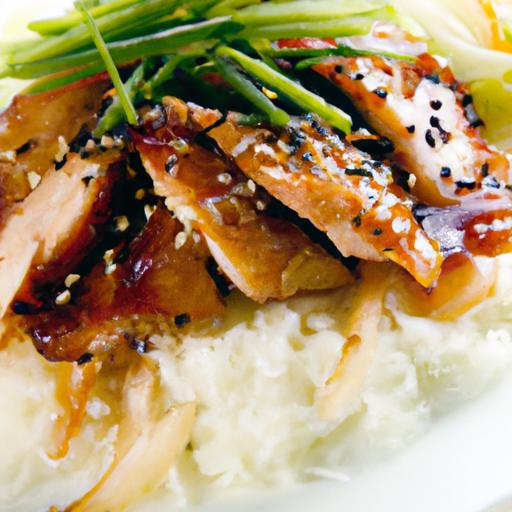
- Rest and Slice: Remove chicken from the skillet and let it rest for 5 minutes. Then slice into bite-sized pieces to showcase the tender, juicy interior against the glossy teriyaki glaze.
- Garnish: Sprinkle with toasted sesame seeds and freshly sliced green onions to add texture and color contrast that delight both eyes and palate.
Chef’s Notes: Tips for Success
- Ingredient Quality: Use authentic Japanese mirin and sake to capture the authentic flavor profile; substitutes like dry sherry lack the subtle sweetness.
- Balancing Sweetness: Adjust brown sugar depending on preference. For a drier finish, reduce sugar and increase mirin slightly.
- Marinating Time: While 30 minutes is sufficient, overnight marination intensifies flavors deeply.
- Glaze Perfection: Avoid high heat during glazing; it risks burning the sugars and creating bitterness. Patience yields the best lacquered sheen.
- Make-ahead: The sauce can be made in advance and stored refrigerated for up to one week, simplifying weeknight dinners.
- Protein Variations: For a leaner option, swap chicken thighs with breasts, or try firm tofu for a vegetarian adaptation.
Serving Suggestions
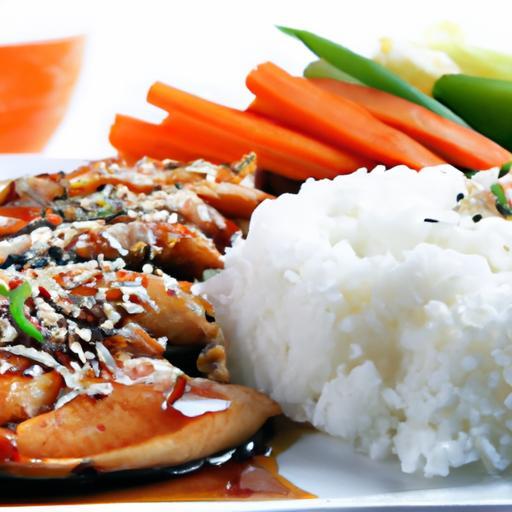
For a balanced meal that complements the rich flavors of teriyaki chicken, serve atop a bed of steamed jasmine rice or sticky sushi rice. Accompany with stir-fried seasonal vegetables like crisp bok choy, snap peas, or sautéed shiitake mushrooms, which absorb the sauce beautifully.
The contrast of crunchy pickled ginger and a hint of fresh citrus zest over the top brightens the dish and elevates the experience. Presentation matters-arrange sliced teriyaki chicken in a slightly fanned pattern over the rice, and drizzle any remaining glaze artistically around the plate for that professional restaurant look.
| Nutrient | Per Serving |
|---|---|
| Calories | 320 kcal |
| Protein | 35 g |
| Carbohydrates | 14 g |
| Fat | 10 g |

For further inspiration on Japanese sauces and their perfect uses, explore our thorough guide to Japanese sauces. To understand the science behind umami and its magic in cooking, visit this detailed article on Serious Eats.
Q&A
Q&A: Unlocking flavor - The art and Magic of Teriyaki Chicken
Q1: What makes teriyaki chicken such a universally beloved dish?
A1: Teriyaki chicken captures the perfect harmony of sweet, savory, and umami notes, creating a glaze that’s both luscious and comforting. Its blend of soy sauce, sugar, and mirin or sake gives it a shiny, caramelized finish that excites the palate and keeps people coming back for more. The magic lies in how these simple ingredients transform humble chicken into a flavorful experience that feels both homey and exotic.
Q2: How does the marinating process impact the flavor and texture of teriyaki chicken?
A2: Marinating is key-it’s where the chicken absorbs the rich layers of flavor. The soy-based marinade tenderizes the meat while infusing it with a savory depth.Timing matters: too brief, and the flavor remains surface-level; too long, and the chicken can become overly salty. Typically, 30 minutes to a few hours hits the sweet spot, allowing the chicken to soak up the marinade’s magic without losing its juicy texture.
Q3: What’s the secret to achieving that perfect glossy teriyaki glaze?
A3: Creating a glossy glaze is a culinary art that balances reduction and attention. After cooking the chicken, simmering the leftover marinade thickens it into a syrupy coating. This process evaporates excess water, concentrating flavors and giving the sauce its signature shine. Basting the chicken with this glaze during the final stages of cooking locks in moisture and creates a lovely, mouthwatering sheen.
Q4: Can teriyaki chicken be adapted for various diets without losing its signature flavor?
A4: Absolutely! Teriyaki chicken is quite versatile. For a lighter approach, using skinless chicken breast and reducing sugar can maintain the flavor profile. For those seeking a gluten-free option,tamari or coconut aminos replace traditional soy sauce without sacrificing the essential umami punch.These thoughtful tweaks allow everyone to savor the artistry of teriyaki without compromise.
Q5: what traditional elements of teriyaki chicken are essential to preserve its authentic taste?
A5: The trio of soy sauce, a sweetening agent like sugar or honey, and a mirin or sake base (or a suitable substitute) are basic. These ingredients harmonize to establish the dish’s core flavor identity.Even if you experiment with herbs or spices, preserving this balance ensures your teriyaki chicken stays true to its origins-a beautiful dance of salty, sweet, and slightly tangy notes.
Q6: Why is cooking technique just as crucial as ingredients in crafting teriyaki chicken?
A6: Ingredients provide the palette, but technique paints the masterpiece.Proper heat management is crucial; too high, and the sugars burn, too low, and the glaze won’t caramelize. Cooking in stages-searing the chicken first, then slowly glazing-builds flavor layers and texture. This mindful process transforms simple components into a dish brimming with complexity and allure.
Q7: How does teriyaki chicken reflect broader aspects of Japanese culinary philosophy?
A7: Teriyaki chicken personifies Japanese cooking ideals: simplicity balanced with meticulous technique. It showcases respect for natural flavors, harmony of taste, and visual appeal (the glossy glaze). this dish embraces the cultural value of “umami” while honoring the ingredient’s essence-turning everyday chicken into a party of flavor through care and precision.Q8: What are some common pitfalls to avoid when preparing teriyaki chicken at home?
A8: Overcooking is a frequent culprit that dries out the chicken and dulls the glaze. Another is neglecting to reduce the marinade, resulting in a watery sauce that lacks depth and shine. Using low-quality soy sauce or rushing the marination can also weaken the final flavor. patience, attention to detail, and choosing good ingredients elevate your teriyaki from ordinary to extraordinary.
Unlocking the secrets of teriyaki chicken opens a door to a world where simple ingredients shine through mindful technique, crafting a dish that’s truly magical at every bite.
To Wrap It Up
As the savory-sweet aroma of teriyaki chicken lingers on your palate, it becomes clear that this dish is far more than a simple meal-it’s a harmonious blend of tradition, technique, and a touch of culinary magic. Unlocking the secrets behind its rich flavor invites you not only into a world of taste but also into the heart of a time-honored craft. Whether you’re a seasoned chef or a curious home cook, embracing the art of teriyaki chicken is an invitation to savor every moment, transforming everyday ingredients into an extraordinary experience. So next time you turn up the heat, remember: mastering teriyaki isn’t just cooking, it’s creating a appetizing story on a plate.