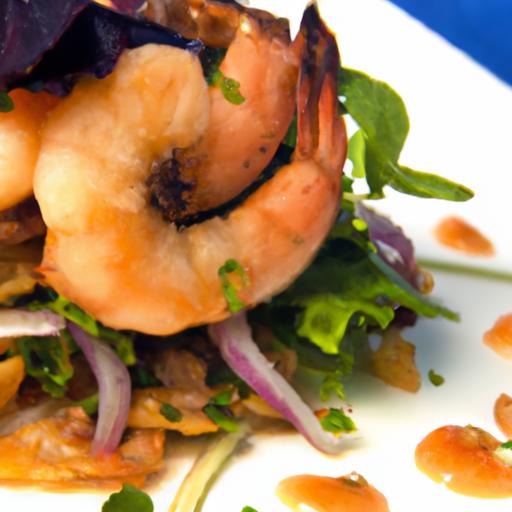

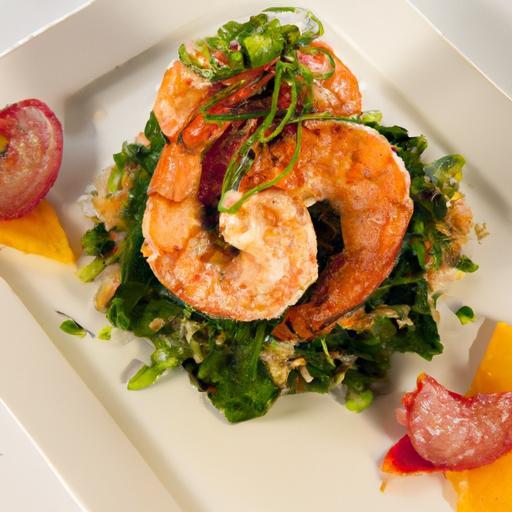
Along the sun-kissed shores where land meets sea, a miniature marvel thrives quietly beneath the waves – the bay shrimp.These tiny crustaceans,often overlooked by the casual observer,wield an outsized influence on coastal ecosystems,acting as indispensable players in the intricate web of marine life. From their delicate, translucent bodies to their bustling swarms, bay shrimp embody the surprising power that small creatures hold in sustaining the health and balance of our coastal environments. Join us as we dive into the fascinating world of bay shrimp, uncovering the remarkable ways these diminutive crustaceans leave a big impact on the shores we cherish.
Bay Shrimp Wonders: Tiny Crustaceans, Big Coastal Impact
Bay shrimp wonders captivate seafood lovers and coastal communities alike, celebrating the humble crustacean that plays a pivotal role in vibrant marine ecosystems. From its delicate flavor to its sustainable potential, this recipe draws inspiration from the briny bays where bay shrimp thrive, creating a dish that is as nourishing as it is indeed evocative of coastal heritage.
Prep and Cook Time
- Preparation: 15 minutes
- Cooking: 10 minutes
- Total: 25 minutes
Yield
Serves 4
Difficulty Level
Easy
Ingredients
- 1 lb fresh bay shrimp,peeled and deveined
- 2 tablespoons extra virgin olive oil
- 3 cloves garlic,finely minced
- 1 medium shallot,finely diced
- 1 teaspoon smoked paprika
- 1/2 teaspoon crushed red pepper flakes (optional,for mild heat)
- Juice of 1 lemon
- 1/4 cup fresh parsley,chopped
- Salt and freshly ground black pepper,to taste
- 4 cups cooked jasmine rice or crusty sourdough bread,for serving
Instructions
- Heat the olive oil in a large skillet over medium heat. Once shimmering, add the shallots and sauté until softened and translucent, about 2-3 minutes.
- Add the garlic to the skillet, stirring frequently so it doesn’t burn, cooking until fragrant, about 1 minute.
- Sprinkle in the smoked paprika and red pepper flakes, stirring to toast the spices lightly for 30 seconds to release their aroma.
- Add the bay shrimp to the skillet in a single layer. Sauté until they turn pink and opaque, approximately 3-4 minutes, flipping halfway through for even cooking.
- Remove the skillet from heat and immediately stir in the lemon juice and chopped parsley. Season generously with salt and freshly ground black pepper.
- Serve the bay shrimp warm atop fluffy jasmine rice or alongside thick slices of rustic sourdough bread to soak up the vibrant juices.
Tips for Success
- Freshness matters: Use the freshest bay shrimp available for the sweetest,most delicate flavor.
- Don’t overcook: Bay shrimp cook quickly; overcooking leads to rubbery texture. Remove from heat as soon as they turn opaque.
- Flavor boosters: Add a teaspoon of lemon zest for extra brightness or a splash of seafood broth for depth.
- Make ahead: This dish is best served immediately but can be stored in the fridge for up to 24 hours.Reheat gently in a skillet with a splash of olive oil.
- Allergy swap: Substitute shrimp with firm white fish like cod or halibut if shellfish allergies are a concern.
Serving Suggestions
Present the bay shrimp over a bed of aromatic jasmine rice, garnished with additional parsley and lemon wedges for a pop of color. For an inviting coastal touch, serve with a crisp green side salad tossed lightly in citrus vinaigrette, or accompany with grilled seasonal vegetables like asparagus or zucchini ribbons. Crunchy artisan bread pairs beautifully to mop up the garlicky olive oil and lemon sauce.

Bay Shrimp wonders Nutrition Facts
| Nutrient | Per Serving |
|---|---|
| Calories | 210 |
| Protein | 28 g |
| Carbohydrates | 10 g |
| Fat | 6 g |
For more inspiration on sustainable seafood dishes, be sure to explore our guide on Sustainable Seafood Recipes That Celebrate Coastal Flavors. To deepen your understanding of bay shrimp’s ecological importance, the National Oceanic and Atmospheric Administration offers invaluable insights at NOAA Shrimp Facts.
Q&A
Q&A: Bay Shrimp Wonders: Tiny Crustaceans, Big Coastal Impact
Q1: what exactly are bay shrimp, and why are they called “tiny crustaceans”?
A1: Bay shrimp are small, slender crustaceans that inhabit coastal bays and estuaries. Typically measuring just a few centimeters in length, their delicate size earns them the nickname “tiny crustaceans.” Despite their modest stature, they play a mighty role in coastal ecosystems.
Q2: How do bay shrimp contribute to the health of coastal environments?
A2: Bay shrimp serve as a crucial link in the coastal food web. They act as natural cleaners by feeding on detritus and plankton, helping to recycle nutrients. Moreover,they are a primary food source for a variety of fish,birds,and other wildlife,making them essential players in maintaining ecological balance.
Q3: what makes bay shrimp unique compared to other shrimp species?
A3: Unlike their ocean-dwelling cousins, bay shrimp have adapted to thrive in brackish waters with fluctuating salinity levels. Their lifecycle is closely intertwined with the dynamic coastal habitat, making them resilient survivors amid changing tides and seasons.
Q4: In what ways have bay shrimp influenced human coastal communities?
A4: Bay shrimp have long been an important resource for coastal communities, providing both sustenance and livelihood. Their harvest supports local fisheries and contributes to regional economies, while cultural traditions often celebrate the shrimp season with festivals and cuisine highlighting this local delicacy.
Q5: What environmental threats do bay shrimp face today?
A5: Bay shrimp populations are vulnerable to habitat loss, pollution, and climate change. Coastal advancement can degrade their estuarine homes, while runoff and contaminants affect water quality. Additionally, rising temperatures and sea level changes threaten the delicate balance these creatures rely on.
Q6: Can individuals help protect bay shrimp and their habitats?
A6: Absolutely! Supporting sustainable fisheries, reducing chemical runoff, and advocating for healthy coastal management are all ways to protect bay shrimp. Educating others about their importance also helps foster community stewardship of these vital crustaceans.
Q7: How do bay shrimp inspire scientific research or innovation?
A7: Scientists study bay shrimp to better understand estuarine ecosystems, pollution impacts, and climate resilience. Their sensitivity to environmental changes makes them excellent bioindicators, offering insights that guide conservation efforts and coastal restoration projects.
Q8: What’s a fun fact about bay shrimp that surprises most people?
A8: Despite their tiny size, bay shrimp can execute rapid, powerful tail flicks that propel them backward in a flash-an extraordinary escape maneuver that belies their delicate appearance. It’s a tiny yet mighty crustacean trick!
To conclude
From the tiniest crevice in the tide pools to the vastness of coastal ecosystems, bay shrimp may be small, but their impact is anything but. These miniature crustaceans serve as vital cogs in the marine food web, nurturing both the environment and economies along our shores. As we continue to uncover the secrets of their biology and behavior, bay shrimp remind us that even the smallest creatures can shape the health and harmony of our coastal worlds. Next time you gaze out at the bay, remember-beneath the waves, these tiny wonders are quietly at work, sustaining the balance of life in ways big and small.