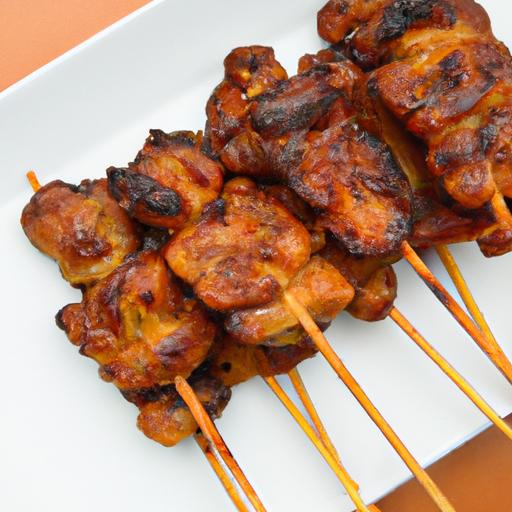

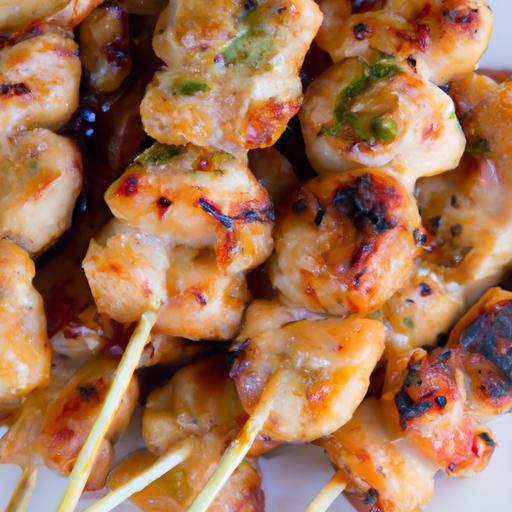
There’s something undeniably magical about the humble chicken on a stick-a street food staple that transforms simple ingredients into a symphony of smoky, savory delight. Whether sizzling over open flames or glazed with a tantalizing sauce, these bite-sized skewers capture the essence of culinary creativity on the go. In this flavorful guide, we’ll explore the origins, variations, and secret techniques behind chicken on a stick, inviting you to savor each mouthwatering morsel while uncovering the stories that make this street snack a timeless favorite around the world.
Savoring chicken on a Stick: A Flavorful Street Snack Guide
Savoring chicken on a stick promptly transports your senses to bustling street corners around the world, where smoky, tender, and richly spiced skewers are enjoyed by locals and travelers alike. This beloved street snack has roots that stretch across continents-from the markets of Southeast Asia to the lively bazaars of the Mediterranean-each culture adding its unique flair, making it a fascinating culinary journey on a wooden skewer.
Exploring the Origins and Cultural Significance of Chicken on a Stick
At its core, savoring chicken on a stick is a celebration of simplicity, portability, and bold flavors. This snack’s origins trace back to ancient grilling methods, where small cuts of meat were skewered over open flames for rapid cooking. In Thailand, satay was often served with a peanut sauce, while in Lebanon, shish taouk featured garlic and lemon marinades.The universal appeal of this dish lies in its versatility-each culture’s spice blends and cooking styles add layers of complexity without losing the snack’s approachable charm.
generations have shared chicken on a stick as a symbol of community and street culture,frequently enough sold by vendors who’ve perfected their recipes over decades. It’s more than just food; it’s a social ritual that melds taste, aroma, and atmosphere into one unforgettable experience.
Prep and Cook Time
- Preparation: 20 minutes
- Marinating time: 2-4 hours (or overnight for best flavor)
- Cooking: 10-12 minutes
- Total Time: Approximately 3 hours (including marinating)
Yield
Serves 4 as a snack or appetizer (about 12 skewers)
Difficulty Level
Easy to Medium: Perfect for home cooks looking to impress with street-food authenticity
Mastering Marinades and Spice Blends for Ultimate Flavor
The magic behind savoring chicken on a stick lies in its marinade and spice blend.A harmonious balance of acidity, sweetness, and spice not only tenderizes the chicken but infuses it with irresistible depth.Combining ingredients like coconut milk,fresh garlic,lemongrass,and fragrant spices such as cumin and coriander creates a vibrant flavor profile that sings when grilled.
Many traditional marinades include a touch of brown sugar or honey to achieve that characteristic caramelization, while chili adds a gentle heat without overpowering the palate. Don’t hesitate to personalize your blend-fresh herbs like cilantro or mint can brighten the finished dish beautifully.
Ingredients
- 1 ½ pounds boneless,skinless chicken thighs,cut into bite-sized cubes
- ⅓ cup coconut milk (for tenderizing and subtle sweetness)
- 3 tablespoons soy sauce or tamari for gluten-free option
- 2 tablespoons brown sugar or palm sugar for caramelization
- 1 tablespoon freshly grated ginger
- 3 garlic cloves,minced
- 1 tablespoon lemongrass paste or finely chopped fresh lemongrass
- 1 teaspoon ground cumin
- 1 teaspoon ground coriander
- ½ teaspoon turmeric powder for color and earthiness
- ¼ teaspoon ground white pepper
- 1 teaspoon chili flakes (optional,adjust to heat preference)
- Wooden skewers,soaked in water for 30 minutes (to prevent burning)
- Fresh lime wedges and chopped cilantro for garnish
Street Vendor Secrets to Perfectly grilled Chicken on a Stick
- Marinate thoroughly: Combine all marinade ingredients in a bowl. Add the chicken cubes and stir to coat evenly. Cover and refrigerate for at least 2 hours, ideally overnight, to maximize flavor penetration.
- Prep your grill: Whether using a charcoal grill for authentic smokiness or a grill pan on the stovetop, preheat until hot with medium-high heat.
- Thread the chicken: Skewer 3-4 pieces evenly, leaving a little gap between pieces for even cooking.
- Grill with care: Place skewers on the grill and cook 4-6 minutes per side, turning once.Look for those signature golden grill marks and slightly charred edges-this caramelization is key for flavor.
- Brush with reserved marinade: Halfway through grilling, lightly brush chicken with leftover marinade to deepen color and moisture, but avoid adding to much to prevent flare-ups.
- Rest before serving: Let skewers rest for 2 minutes off the heat. This helps retain the juices and ensures tender bites.
Pairing your Chicken on a Stick with Complementary Dips and Sides
Enhance your savoring chicken on a stick experience by offering dips that contrast and complement the spices. Classic options include a creamy cucumber-yogurt sauce, tangy tamarind chutney, or a fiery chili-garlic dip that kicks up the heat.
For sides, vibrant slaws made from crunchy cabbage, carrot, and fresh herbs offer refreshing texture. Sticky jasmine rice or lightly grilled flatbreads make the meal more considerable while soaking up flavorful drippings. Don’t forget a squeeze of lime or a sprinkle of chopped peanuts for that extra street-food authenticity.
Instructions
- In a medium bowl, whisk together coconut milk, soy sauce, brown sugar, ginger, garlic, lemongrass, cumin, coriander, turmeric, white pepper, and chili flakes. This creates a rich and aromatic marinade base.
- Add the chicken cubes to the marinade and gently mix to coat all pieces. Cover with plastic wrap and refrigerate for 2 to 4 hours, or overnight for deeper flavor.
- Before grilling, soak wooden skewers in water for at least 30 minutes to prevent burning.
- Preheat your grill or grill pan to medium-high heat.
- Thread the marinated chicken pieces onto the skewers, keeping space between each piece for optimal heat circulation.
- Place skewers on the grill and cook roughly 4-6 minutes per side, turning once, until chicken is cooked through and edges are slightly charred.
- During grilling, brush skewers lightly with any leftover marinade to encourage glaze formation.
- Remove from heat and allow to rest for 2 minutes before serving.
tips for Success
- Choosing the right cut: Chicken thighs are preferred for their juiciness and flavor; breasts work if trimmed and marinated properly.
- don’t overcrowd the skewers: Proper spacing ensures even heat distribution and prevents steaming instead of grilling.
- Marinate longer for tenderness: Overnight marinating lets flavors deeply infuse and tenderizes the meat.
- Charcoal vs. gas: For authentic smoky flavor, use a charcoal grill or add wood chips to a gas grill.
- Make-ahead tip: Skewered chicken can be marinated and refrigerated up to 24 hours before cooking.
- Vegetarian? Swap chicken with firm tofu or mushrooms and follow same marinade for a plant-based treat.
Serving Suggestions
Plate your chicken skewers on a rustic wooden board or vibrant ceramic platter. Garnish generously with chopped cilantro and lime wedges to brighten the smoky profile. Offer an array of dipping sauces such as creamy tzatziki, spicy harissa mayo, or a nutty satay sauce to invite guests to customize each bite. Serve alongside crunchy pickled vegetables or a refreshing Thai mango salad for balanced flavors and textures that celebrate the essence of street-snacking at home.
| Nutritional Info (per serving) | Calories | Protein | Carbs | Fat |
|---|---|---|---|---|
| Chicken on a Stick | 250 | 28g | 8g | 10g |
| Dipping Sauce (avg. 2 tbsp) | 80 | 1g | 4g | 7g |
For more exciting grilled chicken recipes and marinade techniques, explore our Ultimate Grilled Chicken Recipes. To deepen your understanding of global street foods, the National Geographic street food culture article offers fascinating insights.

Q&A
Q&A: Savoring Chicken on a Stick – A Flavorful Street Snack Guide
Q1: What makes chicken on a stick such a beloved street snack around the world?
A1: Chicken on a stick combines simplicity, portability, and bold flavors, making it the perfect handheld treat. It’s easy to eat while exploring bustling markets or city streets, and its juicy, marinated pieces deliver an irresistible burst of savory goodness with every bite.
Q2: How can I recreate authentic street-style chicken on a stick at home?
A2: Start with tender chicken pieces-thighs work wonderfully for juiciness-marinated in a blend of spices, herbs, and a touch of citrus or soy sauce to punch up the flavor. Skewer, grill over medium-high heat, and baste with your marinade or a complementary glaze until caramelized and slightly charred.
Q3: What are some popular marinades or spice combinations used for chicken on a stick?
A3: The options are delightful and varied! Think smoky paprika and garlic for a Mediterranean flair, turmeric and chili powder for a vibrant Southeast Asian zest, or cumin and coriander for a North African twist. sweet and tangy marinades using honey, ginger, and lime can elevate the snack even further.
Q4: Are there vegetarian or vegan alternatives that capture the spirit of this snack?
A4: absolutely! Firm tofu, seitan, or grilled vegetables like bell peppers and mushrooms can be marinated and skewered to mimic the texture and smoky flavor of chicken on a stick. Season well and grill or roast to perfection.
Q5: What side dips or sauces complement chicken on a stick?
A5: Dips are the perfect finishing touch. Tangy yogurt-based tzatziki, spicy chili sauce, creamy peanut dip, or a zesty chimichurri can enhance every bite and add layers of flavor that keep your taste buds dancing.
Q6: How do street vendors typically ensure the chicken stays juicy and flavorful?
A6: The secret lies in the marinade and grilling technique. Vendors frequently enough marinate the chicken for several hours or overnight to infuse deep flavor. Grilling over medium heat ensures the meat cooks evenly without drying out, while frequent basting seals in moisture and builds that iconic caramelized crust.
Q7: What cultural significance does chicken on a stick have in various regions?
A7: Beyond being a snack, chicken on a stick frequently enough showcases local ingredients and seasoning traditions, acting as a delicious expression of cultural identity. In many places,it brings people together-whether at night markets,festivals,or roadside stalls-creating shared moments around simple,flavorful food.
Q8: can chicken on a stick be a healthy snack option?
A8: yes! When grilled instead of fried, chicken on a stick can be a lean, protein-packed snack. Pairing it with fresh herbs, veggies, and balanced marinades can keep the calories in check while delivering maximum flavor and satisfaction.
Q9: What tips help avoid common pitfalls when grilling chicken on a stick?
A9: Watch out for overcooking, which dries out the meat. Use uniform pieces so they cook evenly, soak wooden skewers beforehand to prevent burning, and maintain medium heat to achieve that perfect char without charring. Regularly turning the skewers ensures each side gets an even kiss of flame.Q10: Why is chicken on a stick a perfect snack for adventurous eaters?
A10: It’s a culinary passport on a skewer! Each region’s twist invites you to explore new flavor combinations, spice levels, and cooking styles-all compacted into a convenient, tasty bite. It’s street food that encourages curiosity and celebration of global tastes.
Insights and Conclusions
As the sun sets and city lights flicker on, the humble chicken on a stick continues to weave its flavorful magic through bustling streets and quiet corners alike. This iconic snack, simple yet infinitely versatile, captures the heart of street food culture-offering a perfect bite that’s as rich in history as it is in taste. Whether you savor it glazed with spicy sauce, charred over open flames, or sprinkled with fragrant herbs, chicken on a stick invites you to explore a world of bold flavors one skewer at a time. So next time you find yourself wandering through a vibrant market or a lively street fair, let this savory delight guide your palate, reminding you that sometimes, the best culinary adventures come skewered and shared.