
When it comes to mastering the art of brisket BBQ, every pitmaster swears by their secret: the perfect temperature. but what if the ultimate smokey flavor hinges on a crucial choice-smoking low and slow at 180°F or dialing it up to a sizzling 225°F? In this brisket BBQ battle, we’ll dive deep into the science and smoky nuances behind these two popular temp targets, uncovering how each heat level transforms texture, tenderness, and taste. Ready to stoke the coals and find out which temperature smokes its way to brisket glory? Let’s fire up the debate and carve out the perfect bite.
Brisket BBQ Battle: Smoke at 180°F or 225°F? Choosing the ideal smoking temperature is the cornerstone of achieving that signature balance of smoky flavor, melt-in-your-mouth tenderness, and a crusty bark. For many pitmasters and backyard enthusiasts alike, the dance of “low and slow” versus “hot and faster” ignites a passionate debate, but understanding how these temperature ranges influence your brisket can elevate your BBQ game from good to unforgettable.
prep and Cook Time
- Prep time: 30 minutes (including seasoning)
- Cook Time: 12-20 hours, depending on temperature chosen
Yield
- Serves 6-8 hungry BBQ lovers
Difficulty Level
- Medium – requires patience and some familiarity with your smoker
Ingredients
- 1 whole packer brisket (10-12 pounds), trimmed of excess fat
- ¼ cup kosher salt
- ¼ cup coarse black pepper
- 1 tbsp smoked paprika
- 2 tsp garlic powder
- 1 tsp onion powder
- 1 cup hardwood smoking chips or chunks (oak or hickory recommended)
- Water or beef broth for spritzing
Instructions
- Season the Brisket: In a bowl, combine kosher salt, black pepper, smoked paprika, garlic powder, and onion powder.Generously apply this dry rub all over the brisket, massaging it into every nook and cranny for maximum flavor absorption.Let it rest uncovered in the fridge for 2-4 hours (or overnight for deeper seasoning).
- Prepare your Smoker: If you choose the low and slow route, preheat your smoker to a steady 180°F. For the hotter method, dial up to 225°F. Add soaked or dry hardwood chips or chunks to your smoker box or firebox.
- Start Smoking: Place the brisket fat-side up on the smoker grate, allowing the fat to baste the meat as it renders. Maintain steady smoke and temperature, opening the lid as seldom as possible to preserve heat and smoke consistency.
- Monitor Internal Temperature: Insert a reliable meat probe into the thickest part of the brisket. For 180°F smoking, allow the internal temperature to reach approximately 203°F for ultimate tenderness. at 225°F, target the same finish temperature, but expect a faster cook time.
- Spritz Wisely: Every 60-90 minutes, lightly spritz the brisket with water or beef broth to keep the surface moist and encourage a luscious bark formation.
- Wrap (Optional): At the stall (when internal temp plateaus around 150-160°F), consider wrapping the brisket tightly in butcher paper or foil to help power through and retain moisture while developing a beautiful bark.
- Rest before Slicing: When the brisket reaches your target temperature, remove it from the smoker and wrap it in towels inside a cooler or warm oven for at least an hour to redistribute juices.
- Slice and Serve: Always slice against the grain in thin, confident strokes to reveal the tender, juicy interior.
Tips for Success: Navigating Smoke Time and Temperature
- 180°F brings unparalleled tenderness. By smoking at this ultra-low temperature, the brisket undergoes slow collagen breakdown, resulting in an unbelievably soft bite and deeply infused smoke flavor, though patience is required as the cook time can stretch past 18 hours.
- 225°F accelerates cook time without sacrificing flavor. This classic temp balance cooks the brisket in roughly 12-14 hours while still fostering remarkable smoke penetration and bark crispiness-perfect when time cravings outweigh day-long commitment.
- Keep the smoke clean and steady. At both temperatures, avoid thick gray smoke-aim for thin blue smoke that melds with the meat rather than coats it harshly.
- Temperature control is king. Use reliable devices to monitor smoker ambient temp and internal brisket temp together-precision pays appetizing dividends.
- Personalize your bark by experimenting with rub ingredients or injecting moisture during the stall phase; this is your opportunity to craft a signature flavor layer.
Serving Suggestions
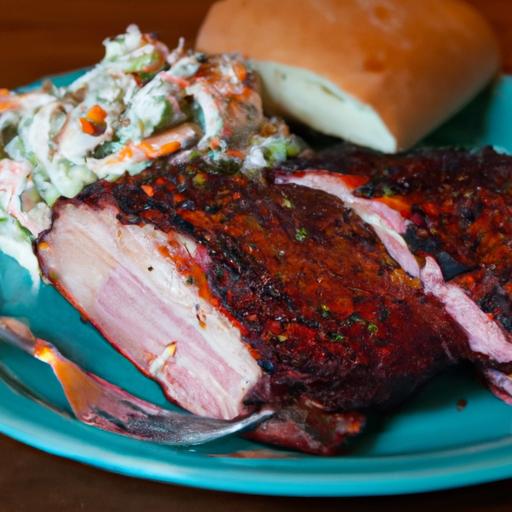
Present your smoked brisket sliced thin alongside classic accompaniments like creamy coleslaw,tangy pickles,and rustic cornbread. A drizzle of your favorite BBQ sauce or a sprinkle of fresh chopped herbs such as parsley or chives adds brightness and complements the smoky richness. For a visual showcase, fan the slices neatly on a wooden board with hints of coarse bark edges contrasting tender pink smoke rings.
| Nutrient | Per Serving (approx.) |
|---|---|
| Calories | 450 kcal |
| Protein | 38 g |
| Carbohydrates | 2 g |
| Fat | 33 g |
Explore more smoke mastery techniques in our Ultimate Smoker Guide and deepen your understanding of temperature’s impact on meats. For scientific insight on meat cooking and collagen breakdown, visit Serious eats.

Q&A
Q&A: Brisket BBQ Battle – Smoke at 180°F or 225°F?
Q1: Why does the smoking temperature matter when cooking brisket?
A: Smoking temperature is the secret ingredient in the brisket journey. It influences the tenderness, flavor progress, bark formation, and overall cooking time. Low and slow cooks promote collagen breakdown and moisture retention, while higher temps can speed up the Maillard reaction, creating a robust crust. Choosing the right temperature sets the stage for a mouthwatering masterpiece.
Q2: What happens if you smoke brisket at 180°F?
A: Smoking brisket at 180°F is like a slow dance-patient and meticulous.The brisket gently breaks down connective tissues over a prolonged period, resulting in tender, juicy meat with subtle smoky notes. Though, the cooking time stretches considerably, frequently enough exceeding 12 hours. This method demands vigilance to prevent the meat from drying out,but it rewards patience with a melt-in-your-mouth experience.
Q3: How does smoking brisket at 225°F compare?
A: At 225°F, you accelerate the magic without rushing the flavor. This moderate heat strikes a balance, allowing the brisket to develop a robust bark and smoky profile in a reasonable timeframe, usually 8-10 hours. The higher temperature encourages a more pronounced crust and can help render fat efficiently, enhancing juiciness and mouthfeel.
Q4: Is there a risk of losing moisture at either temperature?
A: Moisture loss is the hidden adversary of brisket smoking.At 180°F, the risk is somewhat lower due to gentler heat, but the extended cooking time can still dry out the meat if it isn’t carefully monitored. At 225°F, the faster cook requires precise technique-wrapping the brisket during the stall or using a water pan helps lock in moisture, keeping the meat succulent.
Q5: How does the bark formation differ between these two temperatures?
A: Bark is the smoky, caramelized crust that makes brisket unforgettable. Smoking at 180°F can produce a softer, more delicate bark, as the lower temperature slows the Maillard reaction. In contrast, 225°F encourages a darker, thicker, and crunchier bark due to more intense heat promoting surface caramelization and smoke absorption.
Q6: Which temperature is best for beginners?
A: For newcomers, 225°F is frequently enough the friendlier option. It offers a forgiving balance of time, temperature, and flavor development, reducing the marathon-long cook that 180°F demands. Plus, the faster cook makes it easier to manage internal temps and achieve consistent results without sacrificing flavor or tenderness.
Q7: Can you combine both temperatures during a single cook?
A: Absolutely! Many pitmasters embrace a hybrid strategy-starting at 180°F for slow smoking and tenderness, then cranking up to 225°F to finish the bark and render fat beautifully. This dynamic approach harnesses the strengths of both temps, producing brisket that’s tender inside with a perfectly crispy exterior.
Q8: How do you know when the brisket is done, regardless of temperature?
A: Internal temperature is your best guide.Most brisket aficionados aim for 195°F to 205°F internal-where collagen has fully melted,and the meat feels tender to the touch. The toothpick or probe test is popular: if it slides in like softened butter, your brisket is ready to rest and then savor.
Q9: What kind of wood pairs well with each smoking temperature?
A: The choice of wood isn’t dictated strictly by smoking temperature but by desired flavor intensity. At 180°F, lighter woods like oak or cherry can impart gentle smoky accents. At 225°F, stronger woods such as hickory or mesquite shine, adding bold, punchy smoke that stands up to the robust bark and caramelization.
Q10: Any final tips for winning the brisket BBQ battle?
A: Patience and practice win the brisket battle every time. Whichever temperature you choose, focus on maintaining steady heat, monitoring internal temps, and resting the meat properly post-smoke. Remember-the smoke is your paintbrush, the brisket your canvas; master the temperatures, and you’ll craft BBQ art worthy of any feast.
Ready to fire up the smoker? Whether you embrace the slow artistry of 180°F or the lively sizzle of 225°F, your brisket journey promises smoky satisfaction.
In Conclusion
As the smoke rises and the brisket sizzles,the battle between 180°F and 225°F rages on-not just in temperature,but in technique,patience,and flavor. Whether you embrace the low-and-slow serenity of 180°F to coax out tender,melt-in-your-mouth bites,or harness the higher heat of 225°F to develop that robust bark and faster cook time,the perfect brisket is ultimately a personal journey.So fire up your smoker, trust your instincts, and let the coals guide you-because in the world of BBQ, the real victory lies not just in the temp you choose, but in the passion and care you pour into every smoky slice. Smoke on, brisket warriors, smoke on.