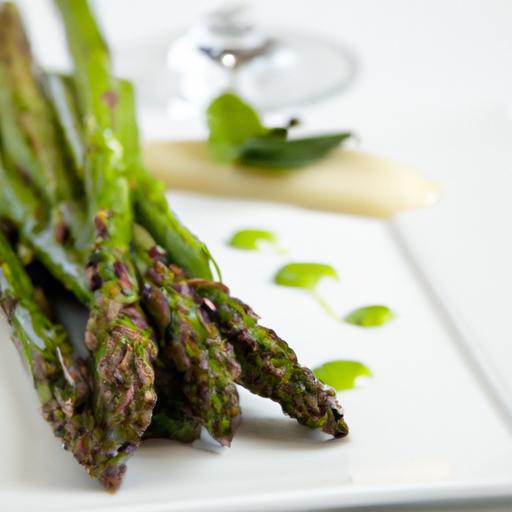

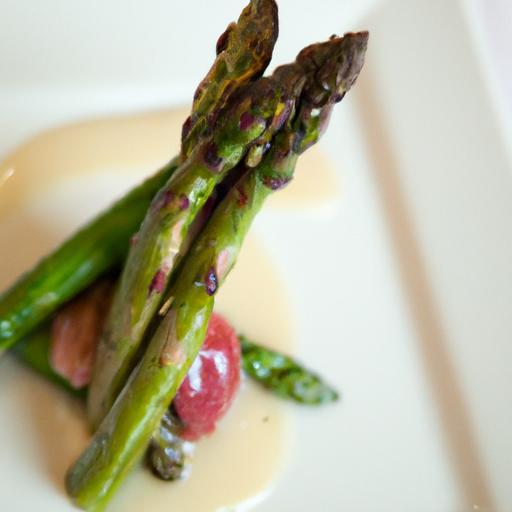
Slender, vibrant, and packed with secrets, asparagus has long stood as a symbol of spring’s freshest bounty. These green spears, often overlooked in the vast world of vegetables, are anything but ordinary. Beyond their crisp texture and unique flavor lies a treasure trove of nutrients and health benefits waiting to be uncovered. In this article,we delve deep into the fascinating world of asparagus-exploring its history,culinary versatility,and the powerful ways it supports our well-being. Prepare to see asparagus in a whole new light,as nature’s green spear charging forward to nourish both body and palate.
Asparagus Uncovered invites you to dive into the vibrant world of one of nature’s most remarkable green vegetables. This stunning spear is not only a feast for the eyes but also a powerhouse of essential nutrients that energize and nourish. Originating centuries ago in the Mediterranean region, asparagus has traveled the world and found its way into the heart of global kitchens, celebrated for its tender yet crisp texture and subtly sweet, earthy flavor. Whether freshly harvested or carefully selected at your local market, asparagus promises to transform any meal into a delightful experience.
Prep and Cook Time
Preparation: 10 minutes
Cooking: 15 minutes
Yield
Serves 4 as a vibrant side dish or light entrée
Difficulty Level
Easy – Perfect for home cooks of all skill levels
Ingredients
- 1 lb fresh asparagus spears, trimmed and rinsed
- 2 tbsp extra virgin olive oil
- 1 tsp flaky sea salt
- Freshly ground black pepper, to taste
- 1 lemon, zested and juiced
- 2 cloves garlic, thinly sliced
- 2 tbsp toasted slivered almonds (optional for crunch)
- Fresh parsley, finely chopped for garnish
Instructions
- Prepare the asparagus: Snap off the tough ends of each spear by bending until it naturally breaks. This ensures you only cook the tender, edible parts.
- Heat the skillet: Warm the olive oil over medium-high heat in a large sauté pan until shimmering but not smoking.
- Sauté the garlic: add the sliced garlic and sauté cautiously for about 1 minute until fragrant and lightly golden, ensuring it doesn’t burn.
- Cook the asparagus: Add the asparagus spears in a single layer. Sauté, turning occasionally, until tender-crisp and vibrant green, approximately 8-10 minutes depending on thickness.
- season and brighten: Sprinkle the asparagus with sea salt and black pepper. remove from heat, then zest and squeeze lemon juice over to accentuate the natural flavors.
- Finish with crunch and freshness: Toss with toasted slivered almonds and garnish with chopped parsley before serving for an irresistible texture and herbal brightness.
Chef’s Notes: Tips for success
- Selecting Asparagus: Look for firm, straight spears with tightly closed tips, avoiding any wilted or slimy stalks to guarantee maximum freshness.
- Choice Cooking: If you prefer roasting, arrange the asparagus on a baking sheet, drizzle with olive oil and seasonings, and roast at 425°F (220°C) for 12-15 minutes for caramelized edges and deep flavor.
- make-Ahead: You can clean and trim asparagus a day ahead; store in a damp kitchen towel inside a plastic bag in the fridge to preserve crispness.
- Gluten-free & Vegan: This recipe is naturally gluten-free and vegan,perfect for diverse dietary needs.
- Substitutions: Use walnuts or pine nuts rather of almonds for crunch, or add a sprinkle of nutritional yeast for a subtle cheesy note without cheese.
Serving Suggestions
Present the asparagus spears elegantly draped on a rustic ceramic platter. Garnish liberally with fresh chopped herbs such as parsley or chives and a light scatter of lemon zest. This dish pairs beautifully with grilled salmon, lemon herb chicken, or as an elevated side to seasonal grain bowls. For a colorful and textural contrast,serve alongside roasted cherry tomatoes or a dollop of whipped herb ricotta. Drizzle with a balsamic reduction or a high-quality cold-pressed olive oil to deepen the visual appeal and flavor experience.

| Nutrient | Per Serving |
|---|---|
| Calories | 80 kcal |
| Protein | 3 g |
| Carbohydrates | 7 g |
| Fat | 5 g |
| Dietary Fiber | 3 g |
Learn More About Seasonal vegetable Pairings
Discover inspiration to complement your asparagus dishes in our Seasonal Vegetable Pairings guide.
For detailed nutritional insights on asparagus as a superfood, visit Healthline’s asparagus benefits page.
Q&A
Q&A: Asparagus uncovered: Nature’s green Spears of Health and Flavor
Q: What makes asparagus such a unique vegetable in the culinary world?
A: Asparagus stands out with its striking spear-like shape and vibrant green hue, a visual cue to its freshness and vitality. its earthy yet subtly sweet flavor offers a versatile ingredient that can be enjoyed raw,roasted,grilled,or steamed,making it a favorite among chefs and home cooks alike. Beyond taste, asparagus carries a rich history dating back thousands of years, connecting modern tables to ancient gardens.
Q: How does asparagus contribute to a healthy diet?
A: This green spear is packed with essential nutrients-vitamins A, C, E, and K, plus folate and fiber-all wrapped in a low-calorie package. Its natural diuretic properties help flush toxins, while antioxidants support cellular health. Incorporating asparagus into meals can boost digestion, support heart health, and even promote glowing skin.
Q: Are ther different varieties of asparagus, and do they taste different?
A: Indeed! While green asparagus is the most common, there are purple and white varieties as well. Purple asparagus tends to be sweeter and more tender,while white asparagus,grown underground to prevent chlorophyll development,offers a more delicate,somewhat milder flavor. Each variety invites unique culinary possibilities and can be featured to emphasize different taste profiles.
Q: What’s the best way to select fresh asparagus at the market?
A: Look for firm,straight spears with tightly closed tips-signs of freshness and peak flavor. The color should be vibrant without any signs of wilting or browning. thinner spears are often more tender, while thicker ones pack a meatier bite.Snapping the stalk-if it breaks easily-can indicate freshness, too.Q: How should asparagus be stored to maintain its freshness?
A: Treat asparagus almost like fresh flowers: stand the stalks upright in a jar or glass with about an inch of water at the bottom, then cover loosely with plastic and refrigerate. This keeps the spears crisp for several days. Alternatively, wrap the ends in a damp paper towel and store in a plastic bag inside the fridge.
Q: Can asparagus be eaten raw, or does it need to be cooked?
A: Absolutely, asparagus can be enjoyed raw! Thin, young spears sliced into salads lend a delightful crunch and fresh flavor. That said, gentle cooking-like steaming, roasting, or grilling-can unlock deeper, sweeter notes and soften the texture for a more satisfying bite. Experimenting with both methods reveals asparagus’s versatile personality.
Q: Are there any fun or unexpected ways to enjoy asparagus?
A: For the adventurous palate, try spiralizing asparagus for vibrant veggie noodles or tossing it into a luminous, herby pesto. Roasted asparagus can turn into a crunchy snack or a delicious topping for grain bowls. asparagus hummus or blended soups showcase its flavor while surprising the senses-a testament to this green spear’s culinary adaptability.
Q: Does asparagus have any seasonal meaning?
A: Springtime is asparagus’s moment to shine-its arrival marks the shift to lighter, fresher flavors after winter’s heartier fare.In season, it’s at peak tenderness and sweetness, inspiring chefs to create dishes that celebrate renewal and growth. Gathering asparagus becomes a seasonal ritual in many parts of the world, reminding us to savor nature’s rhythms.
Q: What should one keep in mind when cooking asparagus to preserve its nutrients?
A: To keep asparagus both tasty and nutrient-rich, avoid overcooking.Gentle steaming or quick roasting preserves its vibrant color and crunch while locking in vitamins. Cooking methods that use minimal water and shorter times help retain those precious antioxidants. Lightly seasoning with lemon juice or olive oil can enhance flavor without masking nature’s gift.
Q: Any little-known facts about asparagus that might surprise readers?
A: Here’s a fun surprise: asparagus contains natural compounds that can cause a distinctive scent in urine shortly after eating-an odd but harmless quirk! Also,those tiny buds at the tip are actually miniature flowers waiting to bloom if left unharvested. And did you know that ancient civilizations prized asparagus not just for food but also believed it had medicinal and even aphrodisiac qualities? Its legacy is as rich as its flavor.
In Retrospect
From garden bed to dinner plate, asparagus stands as a vibrant testament to nature’s artistry-slender green spears bursting with both flavor and healthful goodness. Whether roasted,steamed,or grilled,this humble vegetable offers a symphony of nutrients wrapped in a crisp,tender bite. as we’ve uncovered, asparagus is more than just a springtime delicacy; it’s a versatile powerhouse that nurtures the body and delights the palate. So next time you encounter those emerald stalks at the market, remember the rich story they carry-an invitation to savor vitality, embrace wellness, and celebrate the simple elegance of nature’s green spears.