

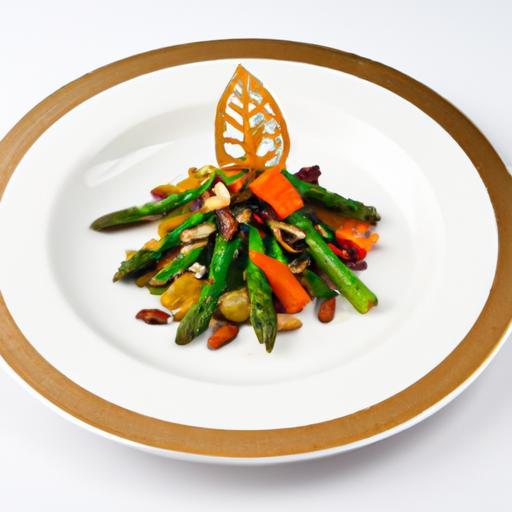
in the vast pantry of modern cooking, seed oils have quietly slipped onto our shelves and into our kitchens, often hailed as heart-healthy alternatives or condemned as hidden villains. But what if the story of seed oils is far more complex than simple good or bad labels? Behind their golden glint lies a tale woven with scientific discoveries, surprising health claims, and some overlooked risks. Join us as we peel back the layers and uncover the truth about seed oils-their hidden benefits waiting to be embraced, and the risks that demand our attention. Prepare to rethink what you thought you knew about these everyday culinary staples.
Understanding Seed Oils Origins and Their Nutritional Profile
Seed oils-such as sunflower, canola, and safflower-have long been staples in kitchens around the world, prized for their versatility and unique flavors. Understanding seed oils origins and their nutritional profile is essential for anyone eager to make informed, health-conscious cooking choices. These oils are extracted from various seeds through pressing or solvent methods, preserving a rich blend of unsaturated fats, antioxidants, and vitamins that can support heart health and inflammation regulation.
My first encounter with seed oils was during a Mediterranean-inspired cooking class,where the instructor emphasized their subtle nutty aroma and light texture,perfect for salad dressings and light sautéing. This inspired a deeper dive into how seed oils contribute not only flavor but also nutritional value, allowing cooks and home chefs to harness their benefits thoughtfully in everyday meals.
Prep and Cook Time
- Prep Time: 10 minutes
- cook Time: 15 minutes
Yield
Serves 4
Difficulty Level
Easy
Ingredients
- 2 tablespoons sunflower seed oil (cold-pressed preferred)
- 1 medium onion, finely sliced
- 2 cloves garlic, minced
- 1 red bell pepper, diced
- 1 cup cherry tomatoes, halved
- 1 cup cooked quinoa or brown rice
- 1 cup baby spinach, packed
- Salt and freshly ground black pepper, to taste
- fresh herbs (parsley or basil), for garnish
- 1 teaspoon freshly squeezed lemon juice
Instructions
- Heat the seed oil in a large non-stick skillet over medium heat. Once shimmering, add the sliced onion and sauté until soft and translucent, about 5 minutes, stirring occasionally to prevent browning.
- add the minced garlic and cook for 1 minute until fragrant,careful not to burn it.
- Incorporate the diced red bell pepper, cooking for another 4-5 minutes until tender-crisp, stirring occasionally to develop a slight caramelization.
- Add cherry tomatoes and cook for 2 minutes until they soften and begin releasing their juices, creating a light, vibrant sauce.
- Stir in the cooked quinoa or brown rice and baby spinach. Cook for 2-3 minutes until the spinach wilts and everything is warmed through.
- Season generously with salt, freshly ground black pepper, and a splash of lemon juice to brighten the flavors. Stir well before removing from heat.
- Transfer to serving bowls and garnish with fresh herbs for a fragrant finish.
Chef’s Notes
- For a nuttier flavor, try experimenting with cold-pressed sesame seed oil as a finishing drizzle rather of cooking with it, to preserve its delicate taste.
- Use unrefined seed oils when possible; they retain more antioxidants but watch the smoke point to avoid overheating during cooking.
- This dish adapts beautifully to seasonal vegetables-consider swapping bell peppers for zucchini or asparagus for variety and color.
- To boost protein,sprinkle with toasted pumpkin seeds or add a handful of cooked chickpeas during the last step.
- For meal prepping, this dish keeps well refrigerated for up to 3 days and reheats quickly in a skillet over low heat.
Serving Suggestions
This vibrant seed oil sauté pairs wonderfully with grilled chicken or a crisp, leafy salad for a balanced meal. Serve with warm whole-grain flatbread or a simple tahini drizzle to enhance texture and taste. Garnish with lemon zest or freshly cracked pepper for added brightness. Enjoy this as a light lunch or as a colorful side dish to your family dinner table, where its wholesome flavors and subtle richness will shine.
| Nutrient | Per serving |
|---|---|
| Calories | 220 kcal |
| Protein | 6 g |
| Carbohydrates | 28 g |
| Fat | 8 g |

Examining Potential Risks and Common Misconceptions Around seed Oils
While seed oils offer many benefits, it’s vital to consider their fatty acid composition, especially the balance of omega-6 to omega-3 fats. Excessive consumption without balance may promote inflammation-a concern frequently highlighted but frequently enough misunderstood. Choosing high-quality, minimally processed seed oils and balancing your intake with omega-3-rich foods like flaxseeds, walnuts, or fatty fish helps mitigate these risks.
For a deeper dive into safe cooking temperatures and selecting oils wisely, consult Harvard School of Public Health’s guide on healthy cooking fats.
Practical Tips for Incorporating Seed Oils Wisely into Your Diet
- Use seed oils with higher smoke points such as sunflower or safflower oil for sautéing and frying to avoid harmful oxidation.
- Reserve delicate seed oils, like flaxseed oil, for drizzling raw over salads or blending into dressings.
- Store seed oils in dark glass bottles away from heat and light to preserve freshness and prevent rancidity.
- Balance seed oil consumption with other healthy fat sources to ensure a well-rounded nutritional intake.
- incorporate seed oil-based dressings and sauces into your meal rotation to unlock their rich flavor and nutrient profile.
Explore more on healthy fat sources to complement your use of seed oils and elevate your culinary creations.
Q&A
Q&A: The Truth About Seed Oils – Hidden Benefits and Risks revealed
Q1: What exactly are seed oils?
A1: Seed oils are vegetable oils extracted from the seeds of various plants such as sunflower, flax, pumpkin, and sesame. They are ubiquitous in kitchens and food production due to their versatility, mild flavor, and ability to withstand cooking at different temperatures.
Q2: Why have seed oils become so popular in recent years?
A2: Seed oils gained popularity largely as they are rich sources of unsaturated fats, particularly polyunsaturated fats, which have been promoted as heart-healthy alternatives to saturated fats. Their neutral taste makes them a preferred choice for cooking,baking,and salad dressings.
Q3: Are all seed oils created equal?
A3: Not exactly. Different seed oils vary in their fatty acid profiles, antioxidant content, and smoke points. For example,flaxseed oil is high in omega-3 fatty acids but has a low smoke point,making it best for dressings rather than frying. Conversely, sunflower oil can have a high smoke point, suitable for sautéing or frying.
Q4: What are some hidden benefits of seed oils?
A4: Beyond providing essential fatty acids like omega-6 and omega-3, many seed oils contain vitamins E and K, powerful antioxidants that help protect cells from damage. Some,like pumpkin seed oil,are also linked to anti-inflammatory properties and support for skin health.
Q5: Are there any risks associated with consuming seed oils?
A5: Yes, moderation is key. Seed oils are frequently enough high in omega-6 fatty acids, which in excess can promote inflammation if not balanced with omega-3 intake.Additionally, the refining process for many commercial seed oils can involve high heat and chemical solvents, potentially degrading nutrients and creating harmful oxidation products.
Q6: How can consumers make smarter choices about seed oils?
A6: Look for cold-pressed or expeller-pressed oils that avoid chemical solvents. Choose oils suited to your cooking method-use oils with higher smoke points for frying and reserve delicate oils for dressings. balancing omega-6 rich seed oils with omega-3 sources such as flaxseed or chia seeds helps maintain a healthy fatty acid ratio.
Q7: Can seed oils be part of a balanced diet?
A7: Absolutely! When chosen thoughtfully and consumed alongside a variety of nutrient-dense whole foods, seed oils can contribute valuable nutrients and enhance flavor without posing significant health risks.
Q8: Are there any myths about seed oils that need debunking?
A8: A common myth is that all seed oils are inherently harmful or cause inflammation. The truth is more nuanced. The quality of the oil, the balance of fatty acids in your diet, and overall lifestyle factors all influence how seed oils affect your health.
Q9: What does the future hold for seed oils in nutrition and cooking?
A9: Research continues to unravel the complexities of seed oils, including their roles in inflammation, heart health, and metabolic function.Innovations in extraction methods and breeding of plants for improved oil composition promise healthier options for consumers.
Q10: Any final tips for incorporating seed oils into daily life?
A10: Embrace variety. Use seed oils as one part of a vibrant, colorful diet. Store oils properly in cool, dark places to prevent rancidity, and pay attention to the labels-purity, processing method, and freshness all matter. Balance is the ultimate secret to benefiting from seed oils without unintended risks.
To Conclude
as we peel back the layers of seed oils, it becomes clear that these kitchen staples are far more complex than their simple bottles suggest. From unexpected health benefits to potential pitfalls, the truth about seed oils lies somewhere between hype and caution. By understanding their unique properties and how they interact with our bodies, we can make informed choices that nourish rather than harm. So next time you reach for that salad dressing or grocery shelf favorite, remember: knowledge is the best ingredient in your recipe for health.