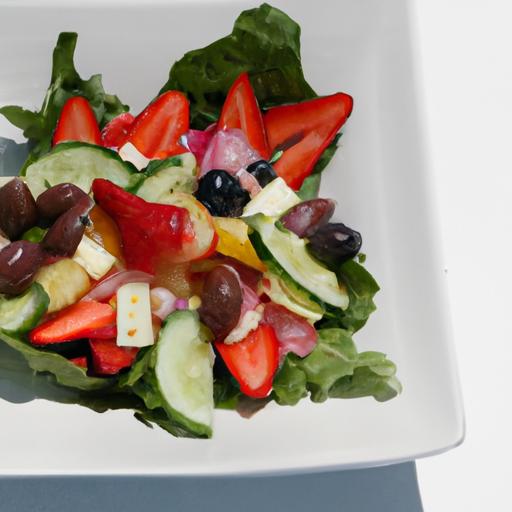

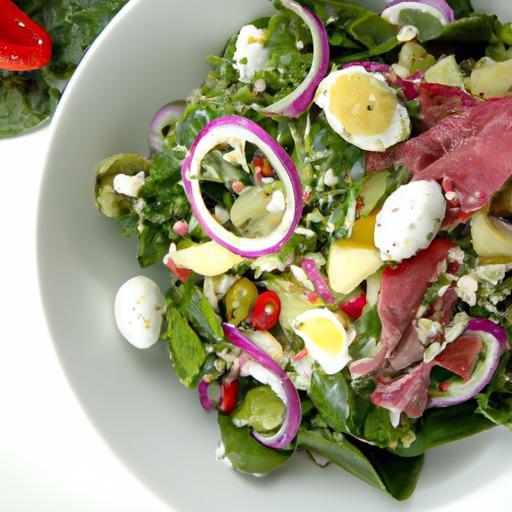
There’s something effortlessly enchanting about the Mediterranean coast-a sun-drenched tapestry of vibrant colors,rich history,and a culinary tradition that celebrates freshness in every bite.At the heart of this coastal bounty lies the Mediterranean salad: a seemingly simple dish that bursts with bold flavors, crisp textures, and wholesome ingredients. From the tangy embrace of lemon and olive oil to the briny kiss of ripe olives and feta, these salads do more than just satisfy hunger-they tell a story of lands kissed by sea breezes and warmed by endless sunshine. In this article, we’ll dive into the magic behind Mediterranean salads, exploring their roots, key components, and how you can bring a taste of the coast to your own table. Ready to awaken your palate with a splash of freshness? Let’s embark on this flavorful journey together.
Mediterranean Salad Magic beckons with an irresistible blend of zesty citrus, earthy olives, and fragrant herbs that conjure the sun-soaked coasts of southern Europe.This celebration of fresh ingredients not only sparks the palate but invites you into a timeless tradition where simplicity meets vibrant flavor. From tangy lemons to aromatic oregano and the satisfying crunch of cucumbers, each element works in harmony to create a salad that’s both nourishing and uplifting.
Prep and Cook Time
Readiness: 15 minutes
Total time: 15 minutes
Yield
Serves 4 – 6 as a side or light main course
Difficulty Level
Easy
Ingredients
- 3 cups mixed baby greens (arugula,spinach,and romaine)
- 1 cup cherry tomatoes,halved
- 1 medium cucumber,diced
- ½ cup Kalamata olives,pitted and halved
- ¼ cup red onion,thinly sliced
- ¼ cup crumbled feta cheese
- 2 tbsp fresh flat-leaf parsley,finely chopped
- 2 tbsp fresh mint,finely chopped
- 3 tbsp extra virgin olive oil
- 2 tbsp freshly squeezed lemon juice
- 1 tsp Dijon mustard
- 1 tsp honey or pure maple syrup
- 1 clove garlic,minced
- Salt and freshly ground black pepper, to taste
Instructions
- Prepare the dressing: In a small bowl,whisk together lemon juice,Dijon mustard,honey,minced garlic,and a pinch of salt. Slowly drizzle in the olive oil while whisking vigorously to emulsify the dressing. Adjust seasoning with salt and pepper.
- Combine the salad ingredients: In a large bowl, gently toss the mixed greens, cherry tomatoes, diced cucumber, kalamata olives, and red onion until the vegetables are evenly mixed.
- Add fresh herbs and cheese: sprinkle the chopped parsley, mint, and crumbled feta over the salad, providing bursts of freshness and creaminess.
- Toss with dressing: Pour the prepared dressing over the salad and toss gently to coat all ingredients without bruising the greens.
- Rest for flavors to meld: Let the salad sit for 5 minutes at room temperature to allow the zesty dressing to marry with the fresh herbs and vegetables, enhancing every bite.
- Plate and garnish: Serve on a large platter or individual bowls. Optionally, garnish with a few whole olives and a lemon wedge for an added pop of color and zest.
Tips for Success
- Use the freshest produce available: Crisp cucumbers and ripe cherry tomatoes elevate the natural sweetness and texture of the salad.
- Control the acidity: If your lemons are very tart, balance by adding a touch more honey or maple syrup to the dressing.
- Herb variations: Swap parsley and mint for fresh dill or basil to complement different Mediterranean flavor profiles.
- Make-ahead: Prepare all ingredients except the dressing up to 4 hours in advance. Toss with dressing just before serving to keep greens vibrant.
- Olive oil quality matters: Choose a fruity and peppery extra virgin olive oil to ensure the dressing bursts with authentic Mediterranean character.
Serving Suggestions
Enjoy this salad alongside grilled lemon chicken skewers or rustic whole grain pita bread for a complete mediterranean feast. To enhance the experience, drizzle extra dressing tableside and offer fresh lemon wedges for guests who love an added citrus kick. Garnish with edible flowers such as nasturtiums or fresh oregano sprigs for a garden-to-table visual appeal that invites sharing.
Pairing mediterranean Salad Magic with Coastal Wines
Complement this vibrant salad with crisp coastal wines such as a chilled Assyrtiko from Santorini or a light, mineral-driven Vermentino from the Italian Riviera. These varietals bring a fresh acidity that mirrors the lemony dressing, highlighting the herbs and bright vegetables without overwhelming.
| Nutrient | Per serving |
|---|---|
| Calories | 180 |
| Protein | 5 g |
| Carbohydrates | 7 g |
| Fat | 15 g |

For more inspiration on Mediterranean cooking techniques that celebrate fresh herbs and vibrant produce, explore our Mediterranean herb Guide. To deepen your knowledge of Mediterranean diet benefits,visit the Healthline Mediterranean Diet overview.
Q&A
Q&A: Mediterranean Salad Magic: Fresh Flavors from the Coast
Q1: What makes Mediterranean salads so uniquely flavorful compared to other salads?
A1: Mediterranean salads burst with vibrant, fresh ingredients that celebrate the bounty of coastal regions. the magic lies in the harmonious blend of crisp vegetables, fragrant herbs like oregano and mint, briny olives, creamy cheeses such as feta, and a splash of tangy lemon or balsamic dressing. This combination delivers layers of taste-earthy, tangy, salty, and herbal-that dance on your palate.
Q2: Which classic ingredients are essential to achieve an authentic Mediterranean salad experience?
A2: To capture the essence of a Mediterranean salad, start with fresh tomatoes and cucumbers for crunch and juiciness. Kalamata olives provide briny depth, while red onions add sharpness. Creamy feta cheese brings richness, and aromatic herbs like parsley, oregano, or dill elevate the freshness. A drizzle of extra-virgin olive oil and a squeeze of lemon juice brighten the whole dish.
Q3: Can Mediterranean salads be easily adapted for different dietary preferences?
A3: Absolutely! One of the beauties of Mediterranean salads is their versatility. They can be fully plant-based by omitting cheese and focusing on vegetables, legumes, and nuts like toasted pine nuts or almonds. For those seeking more protein, chickpeas or grilled seafood such as shrimp complement the flavors perfectly. The salad’s building-block nature invites creativity without sacrificing the classic coastal spirit.
Q4: What role do herbs play in Mediterranean salads?
A4: Herbs are the silent stars of Mediterranean salads, providing aromatic nuances that transform simple veggies into something extraordinary. Fresh parsley lends brightness, mint adds coolness, oregano introduces a slightly peppery note, and dill brings a hint of anise-like freshness. Tossed generously, these herbs hook the senses and evoke sun-drenched Mediterranean landscapes.
Q5: How important is olive oil in crafting a Mediterranean salad?
A5: Olive oil is absolutely essential-a true Mediterranean salad would feel incomplete without it. High-quality extra-virgin olive oil adds a luscious, fruity richness that ties all ingredients together. It serves both as a dressing base and flavor enhancer, creating a silky mouthfeel and balancing acidity from lemon juice or vinegar. Think of it as the golden thread weaving the salad’s narrative.
Q6: Are there any surprising ingredients that can add a twist to a traditional Mediterranean salad?
A6: Yes! Incorporating ingredients like roasted red peppers, artichoke hearts, or even a handful of pomegranate seeds can introduce delightful new textures and flavors.A sprinkle of toasted nuts or seeds introduces crunch and earthiness, while adding fresh orange segments can bring a sweet, citrusy brightness-each twist adds a new chapter to the salad’s coastal story.
Q7: What’s the best way to prepare and serve a Mediterranean salad to maximize its freshness?
A7: To preserve crispness and vibrancy,chop vegetables just before serving and toss gently with dressing right before plating. Allow the salad to rest briefly so flavors meld, but avoid letting it sit too long, which can dull the textures. Serve chilled or at room temperature alongside grilled vegetables, seafood, or crusty bread for a light, refreshing meal reminiscent of a seaside picnic.
Q8: How do Mediterranean salads reflect the culture and lifestyle of the coastal regions they come from?
A8: These salads are a celebration of simplicity, community, and seasonality. Rooted in a lifestyle that treasures fresh, wholesome food, Mediterranean salads embody the region’s connection to land and sea. Their shared plates encourage convivial meals, emphasizing health, balance, and joy-the essence of life along the sun-kissed coasts where these flavors first blossomed.
To Wrap It Up
As the sun sets over azure waves and the scent of sea breeze lingers in the air, Mediterranean salads remind us that simple, fresh ingredients can transform a meal into a vibrant celebration of coastal life.Whether tossed with ripe olives, tangy feta, or fragrant herbs, these salads capture the essence of a region where flavor meets tradition in every bite. Embracing the magic of Mediterranean salads not only delights your palate but also invites you to savor the healthful gifts of the sea and soil. So next time you crave a meal that’s as nourishing as it is refreshing, let the coast’s freshest flavors inspire your kitchen creations and bring a taste of the Mediterranean magic to your table.