
Beneath the earthy surface of many markets and dinner tables lies a colorful confusion that has puzzled food lovers for generations: the sweet potato and the yam. Frequently enough used interchangeably, these two root vegetables share more than just a similar look-they carry rich histories, unique flavors, and distinct nutritional profiles that set them worlds apart. Join us as we peel back the layers of this culinary conundrum, unraveling the sweet potato vs.yam mystery to reveal the true story behind these beloved tubers. Whether you’re a curious cook, a health-conscious eater, or simply a fan of hearty roots, prepare to discover what makes each of these vegetables special and how to tell one from the other with confidence.
Sweet Potato vs Yam: Unraveling the root Veggie Mystery brings to light the interesting botanical origins and culinary versatility that have long mystified home cooks and chefs alike. These vibrant tubers may look similar at a glance, but their flavor profiles, nutritional benefits, and kitchen applications reveal a world of delicious possibilities that every food enthusiast should explore.
Prep and Cook Time
- Readiness: 15 minutes
- cooking: 35 minutes
- Total Time: 50 minutes
Yield
Serves 4 as a side dish
Difficulty Level
Easy
Ingredients
- 2 large sweet potatoes, scrubbed and peeled
- 1 large yam, peeled and cut into 1-inch cubes
- 2 tablespoons olive oil
- 1 teaspoon smoked paprika
- 1 teaspoon ground cumin
- salt and freshly ground black pepper, to taste
- 2 tablespoons fresh chopped parsley for garnish
- 1 tablespoon pure maple syrup (optional, to enhance sweetness)
Instructions
- Preheat your oven to 400°F (200°C) and line a large baking sheet with parchment paper.
- Cut the sweet potatoes and yam into even 1-inch cubes to ensure uniform roasting.
- Toss the cubed root vegetables in a large bowl with olive oil, smoked paprika, ground cumin, salt, and pepper until evenly coated.
- Arrange them in a single layer on the prepared baking sheet, leaving some space between pieces for optimal caramelization.
- Roast in the preheated oven for 30-35 minutes, flipping halfway through, until the pieces are tender and golden brown on the edges.
- Remove from the oven and drizzle with maple syrup if you prefer a touch of natural sweetness, then toss gently.
- Garnish with freshly chopped parsley before serving for a pop of color and fresh brightness.
Chef’s Notes
- Variation: Swap smoked paprika with a pinch of cinnamon for a warm, autumnal twist that complements sweet potatoes beautifully.
- Substitution: If yams are unavailable, increase sweet potatoes or use other starchy roots like parsnips for a similar texture.
- Storage: Refrigerate leftovers in an airtight container for up to 3 days; reheat in a skillet to retain crispiness.
- Make-ahead: You can peel and cube the vegetables a day in advance and keep them submerged in water in the fridge to prevent oxidation.
- Tip: Using fresh yams imparts earthier notes, while sweet potatoes bring a natural sweetness-try mixing them for a balanced palate that intrigues the taste buds.
Serving Suggestions
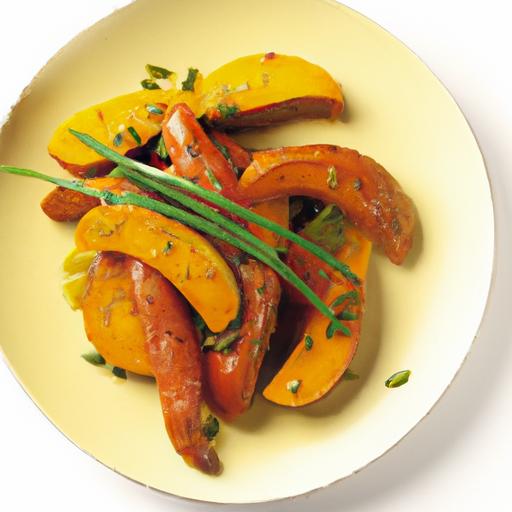
This roasted medley shines as a hearty side for grilled or roasted chicken or fish. For a vegetarian delight, serve alongside a quinoa salad tossed with lemon vinaigrette and toasted nuts. Garnish with a sprinkle of toasted pumpkin seeds or crumbled feta cheese to add texture and depth. A dollop of Greek yogurt or a drizzle of tahini sauce can elevate this dish with creamy contrasts. Visually, the vibrant orange and creamy white cubes plateau against the fresh green parsley creates a feast for the eyes and the palate.
| nutrient | sweet Potato (1 cup, cubed) | Yam (1 cup, cubed) |
|---|---|---|
| Calories | 114 kcal | 158 kcal |
| Protein | 2 g | 1.5 g |
| Carbohydrates | 27 g | 37 g |
| Fat | 0.1 g | 0.2 g |
| Fiber | 4 g | 5 g |

Botanical Origins and Flavor Differences Explained
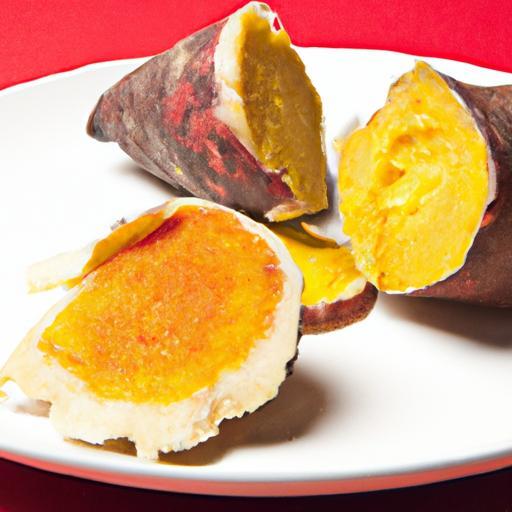
Though often used interchangeably, sweet potatoes (Ipomoea batatas) belong to the morning glory family, boasting a spectrum of skin tones from orange to purple and flesh that ranges from creamy white to bright orange. Yams (Dioscorea spp.), in contrast, are true tubers native to Africa and Asia, with rough, bark-like skin and starchy, drier flesh. this botanical split reflects stark flavor contrasts-sweet potatoes present an inherently sweet,moist,and creamy texture,while yams deliver earthier,starchier notes,lending themselves well to hearty,savory preparations.
Nutritional Showdown: Fuel for Your Body
Both root veggies pack vitamins and minerals, but sweet potatoes edge ahead with vitamin A power-a crucial nutrient for vision and immunity-thanks to their rich beta-carotene load. Yams, meanwhile, deliver more carbohydrates for sustained energy, fiber for gut health, and potassium, which balances electrolytes and supports muscle function. Including both in your diet offers a colorful and nutrient-dense approach to healthful eating.
Culinary pairings and Flavor Profiles
Sweet potatoes thrive in sweet and savory settings,harmonizing with spices like cinnamon,nutmeg,and ginger,or pooling beautifully with tangy flavors such as lime or balsamic vinaigrette. Yams’ hearty and slightly nutty profile pairs well with bold seasonings-think smoked paprika, cumin, or even toasted chili flakes-making them ideal for rustic stews, fries, or even mashed preparations. Subtle sweetness melds with earthy roots, creating versatile dishes that can adapt to seasonal and cultural palettes.
Choosing and Storing Your Root Veggies
When selecting, choose sweet potatoes with smooth skins and firm flesh free of bruises, while yams should feel heavy for their size with rough, hard, dry skin. Sweet potatoes are best stored in a cool, dark, dry place (not the fridge) to preserve their texture and flavor, while yams also prefer a similar habitat but can tolerate slightly warmer temperatures. Proper storage extends shelf life and preserves their robust natural flavors, so you’re always ready to create magic in the kitchen.
Explore more about diverse root vegetables and visit the Healthline comprehensive guide for a scientific deep-dive into nutritional impacts, helping reinforce your expert selections and inspire new cooking adventures.
Q&A
Sweet Potato vs Yam: Unraveling the Root Veggie mystery – Q&A
Q: Are sweet potatoes and yams the same thing?
A: Not at all! Though often used interchangeably in grocery stores and recipes, sweet potatoes and yams belong to entirely different botanical families.Sweet potatoes come from the morning glory family (Convolvulaceae), while yams are members of the Dioscoreaceae family, native mainly to Africa and Asia. They differ in texture,flavor,and appearance,despite some visual similarities.
Q: How can I tell a sweet potato apart from a yam at the market?
A: Sweet potatoes generally have smoother, thinner skin that ranges from orange to reddish or even purple hues. Their flesh tends to be moist and sweet. Yams,conversely,sport rough,scaly,bark-like skin and have a starchy,dry interior that’s often white,purple,or reddish. When in doubt, remember: the orange-fleshed root labeled as “yam” at many U.S. stores is usually a sweet potato.
Q: How do the flavors differ between these two roots?
A: Sweet potatoes are famously sweet and creamy when cooked, offering a rich, buttery flavor. Yams tend to be starchy and more neutral or earthy, making them excellent for savory dishes that require a hearty texture but not sweetness.
Q: Can I swap sweet potatoes for yams in recipes?
A: You can, but the results will vary. Sweet potatoes add sweetness and moisture,while yams contribute a drier,starchier bite. Think of sweet potatoes as a dessert-kind companion, and yams as a robust base for stews and traditional dishes. Consider the flavor and texture you want before substituting.
Q: Are there nutritional differences worth noting?
A: Both are nutritious root vegetables loaded with vitamins and minerals, but they shine in different ways. Sweet potatoes are rich in beta-carotene (vitamin A) and antioxidants, supporting eye health and immunity. Yams provide higher amounts of fiber and potassium, which help heart health and digestion. Including both in your diet can offer a diverse nutrient profile.
Q: What’s the story behind the confusion between yams and sweet potatoes in the U.S.?
A: The mix-up began in the 20th century when orange-fleshed sweet potatoes were labeled as “yams” to distinguish them from the white-fleshed sweet potatoes already available. This marketing tactic stuck, especially in southern U.S. cuisine, leading to the widespread misconception that yams are just a variety of sweet potato.
Q: Which root veggie works best for baking and mashing?
A: Sweet potatoes, without question! Their natural sweetness and smooth texture make them ideal for baking into pies, casseroles, and creamy mashes. Yams, with their denser and drier meat, are better suited for dishes where a firm texture is desired – like hearty stews or fried sticks.
Q: How are yams typically used in traditional cuisines?
A: Across Africa, the Caribbean, and parts of Asia, yams hold cultural significance and star in many savory dishes. They’re boiled, pounded into fufu, roasted, or fried, often paired with spicy sauces, legumes, or vegetables. Their starchy consistency complements robust,bold flavors.
Q: Can either sweet potatoes or yams be eaten raw?
A: While thin slices of sweet potatoes can be eaten raw, they are fibrous and slightly sweet, better enjoyed cooked for optimal flavor and digestibility. Yams are best avoided raw; they often contain compounds that require thorough cooking to detoxify and soften the flesh.
Q: What tips do you have for cooking yams and sweet potatoes to bring out their best?
A: for sweet potatoes, roasting or baking enhances their natural sugars and creates a caramelized crust. Mashing with a touch of cinnamon, nutmeg, or a drizzle of honey elevates their flavor. Yams benefit from slow cooking methods like boiling or stewing, allowing their starches to soften and absorb spices, herbs, and savory flavors.
By knowing the roots of sweet potatoes and yams-both literally and figuratively-you can confidently navigate recipes, shop savvy, and savor these fascinating tubers with fresh appreciation. Whether you crave sweetness or a hearty bite, the right choice awaits!
Wrapping Up
Whether you call it a sweet potato or a yam, understanding the roots-both literal and cultural-of these vibrant tubers adds flavor to our kitchens and conversations alike. From their distinct textures and colors to their unique culinary roles around the world, appreciating the differences unveils a richer story behind every bite. So next time you reach for that sweet, starchy goodness, you’ll know exactly what’s on your plate-and maybe even why it’s inspired centuries of cooking traditions. After all, in the world of root veggies, knowledge truly is the sweetest ingredient.