
Beneath the humble fold of a tortilla lies a world rich with history, culture, adn flavor-each layer telling a story as old as the land itself. From the sun-soaked fields of ancient Mesoamerica to vibrant modern kitchens, the tortilla has journeyed far beyond its simple appearance. More than just a staple food, it is a culinary emblem that has shaped traditions, connected communities, and delighted palates for centuries. Join us as we unfold the captivating tale of the tortilla, exploring its origins, evolution, and the diverse flavors that continue to inspire and nourish across generations.
Tortilla Tales: Unfolding the History and Flavors of Tradition brings us on an immersive journey through the vibrant roots of ancient Mesoamerican cuisine, where the humble tortilla began its life as a sacred, hand-pressed staple. This culinary icon,born from the ancient cornfields that nourished civilizations for millennia,has evolved from primitive cornbread and masa dough into a delicious canvas showcasing regional ingenuity and flavor. It’s not just food-it’s history and craft, rolled into one warm, pliable delight.
Prep and Cook Time
- Preparation: 20 minutes
- Resting Dough: 30 minutes
- Cooking: 15 minutes
- Total: 1 hour 5 minutes
Yield
Makes approximately 12 medium tortillas, perfect for multiple meals or gatherings.
Difficulty Level
Medium – Embraces traditional techniques with approachable steps for home cooks ready to explore heritage flavors.
Ingredients
- 2 cups masa harina (corn flour specially treated with lime,essential for authentic flavor)
- 1 ¼ cups warm water (adjust as needed for pliable dough)
- ½ teaspoon fine sea salt
- Optional: 1 tablespoon vegetable oil (for softer tortillas)
Instructions
- Combine masa harina and salt in a large mixing bowl,stirring to blend evenly for an even texture throughout.
- Gradually pour warm water while mixing with your hand or a spatula, until a soft dough forms.It should feel supple and slightly springy, not sticky.
- If using, add the vegetable oil and knead gently for 2-3 minutes to incorporate.
- Cover the dough with a damp cloth and let it rest for 30 minutes to allow the masa to fully hydrate. This step is key to tender tortillas.
- Divide the dough into 12 equal portions, rolling each into smooth balls about the size of a golf ball. Keep them covered to prevent drying.
- Using a tortilla press lined with parchment paper or plastic wrap, gently press each ball into a thin, round disc about 6 inches in diameter. No press? Use a heavy pan or rolling pin.
- Heat a cast-iron skillet or heavy pan over medium-high heat until hot.
- Place each tortilla into the dry skillet and cook for about 45 seconds to 1 minute on the first side until spots develop and the edges look dry.
- Flip and cook the second side an additional 30-45 seconds. the tortilla might puff up-a sign of perfect steam and texture-or remain flat but tender.
- For the best serving temperature, wrap cooked tortillas promptly in a clean kitchen towel to keep warm and pliable.
Chef’s Notes
- Dough Consistency: Dough should be moist but not sticky; add water or masa harina sparingly to adjust.
- Storage: Store cooked tortillas in a sealed container for up to 3 days or freeze separated by parchment paper.
- Variations: Add a pinch of chili powder or finely chopped herbs like cilantro to the dough for a unique twist.
- Option Flour: for a gluten-free option, stick solely with masa harina; all-purpose flour versions become flour tortillas, beautifully distinct yet not part of this tradition.
Serving Suggestions
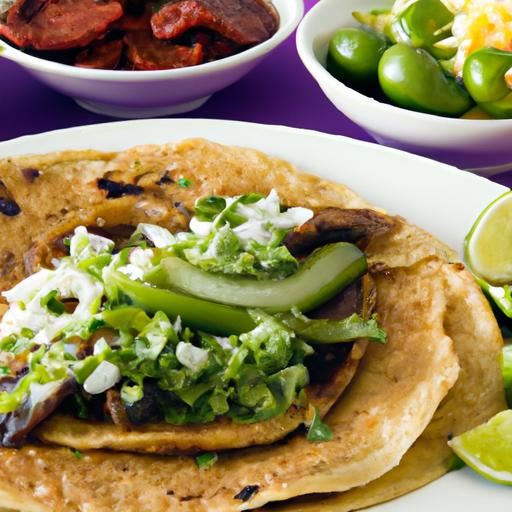
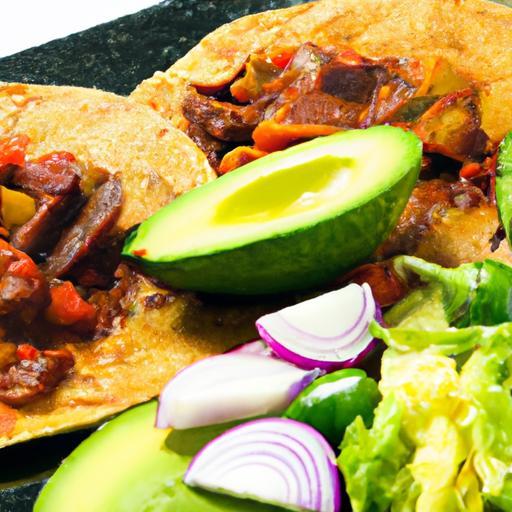
Tortillas come alive when paired with vibrant accompaniments. Serve warm with fresh guacamole, refried black beans, roasted vegetables, or grilled chicken skewers for a colorful feast. Garnish with finely chopped cilantro, a squeeze of lime, or sprinkle of crumbly cotija cheese for added zest and texture. Roll them to hold tender fillings or tear to scoop up hearty stews; the options are as rich as their heritage.
| Nutrient | Per Tortilla (approx.) |
|---|---|
| Calories | 90 kcal |
| Protein | 2 g |
| carbohydrates | 18 g |
| Fat | 1 g |

For a deeper look into authentic Mexican grains and cooking, explore this insightful National Geographic article on corn heritage. Also, continue your culinary exploration with our guide on homemade masa harina dough for more kitchen inspiration.
Q&A
Q: What makes the tortilla such an enduring symbol of culinary tradition?
A: The tortilla’s endurance lies in its simplicity and versatility-a humble flatbread that has nourished countless generations. It acts as both plate and utensil, a perfect vessel for vibrant fillings, and a cultural emblem woven through the food histories of Mesoamerica and beyond. From hand-pressed maize disks to golden flour rounds,tortillas unfold stories of heritage,adaptation,and creativity.
Q: How did tortillas originate, and what role did they play in ancient societies?
A: Tortillas trace their roots back thousands of years to indigenous peoples in mexico and Central America, where maize was revered not just as a staple but a sacred gift.Early tortillas were made from nixtamalized corn,a process that unlocks nutrients and delivers that distinctive flavor. These breads were central to daily sustenance, religious ceremonies, and communal bonds-true culinary cornerstones.
Q: what distinguishes corn tortillas from flour tortillas?
A: Corn tortillas boast a nutty, earthy taste and a tender, slightly chewy texture, thanks to nixtamalized maize dough (masa). Flour tortillas,made primarily from wheat flour,offer a softer,more pliable base with a subtle sweetness and a toasted aroma. Each brings its own character and regional personality, shaping the dishes they cradle-from grilled vegetables to savory beans.
Q: How has the tortilla evolved in modern culinary scenes?
A: Today’s tortillas are a canvas for innovation and fusion-celebrated in traditional taquerias and avant-garde kitchens alike. They marry ancient techniques with contemporary flavors: vibrant herb-infused masa, multi-grain blends, even gluten-free varieties. Chefs everywhere are reimagining tortillas as wraps, chips, and creative tapas, keeping the tradition alive while pushing flavorful boundaries.Q: What are some classic dishes that spotlight tortillas without overshadowing them?
A: Think of the vibrant simplicity of a freshly made quesadilla folded to golden perfection, or the layered charm of a chilaquiles breakfast where tortillas soak up verdant salsa.Tostadas provide a crisp contrast supporting beans, fresh greens, and tangy cheese.Each dish honors the tortilla’s role-not just as an ingredient, but as a storyteller.
Q: why is nixtamalization crucial to the tortilla’s flavor and nutrition?
A: Nixtamalization, the age-old process of soaking and cooking maize in an alkaline solution, transforms kernels into masa-the dough that shapes corn tortillas. This method enhances the flavor, improves texture, and dramatically increases bioavailability of key nutrients like niacin. It’s a brilliant blend of chemistry and culture, yielding tortillas rich in history and sustenance.
Q: Can tortillas be part of a balanced and health-conscious diet?
A: Absolutely! Corn tortillas are naturally gluten-free and lower in calories than manny bread alternatives, packed with fiber and essential minerals. When paired with colorful vegetables, legumes, and lean proteins, they become a nourishing foundation for wholesome meals that celebrate both tradition and well-being.
Q: How does the tortilla foster connection beyond food itself?
A: Making tortillas is often a communal ritual, binding families and communities through shared labor and conversation. The tactile rhythm of pressing masa and flipping tortillas on a hot griddle evokes memories and preserves cultural identity. In every fold and bite, tortillas carry stories-of place, people, and a timeless love for good food.
Future Outlook
As we fold the final chapter of our tortilla tale, it becomes clear that this humble, circular marvel is far more than just a staple on our plates. It is a living story-woven through centuries, cultures, and kitchens-carrying whispers of ancient hands and modern innovations alike. From its golden, sun-kissed beginnings to the vibrant, flavor-packed varieties enjoyed today, the tortilla remains a delicious testament to tradition and creativity.So next time you hold one gently between your fingers, remember: you’re not just savoring a simple wrap-you’re unfolding a rich heritage, bite by bite.