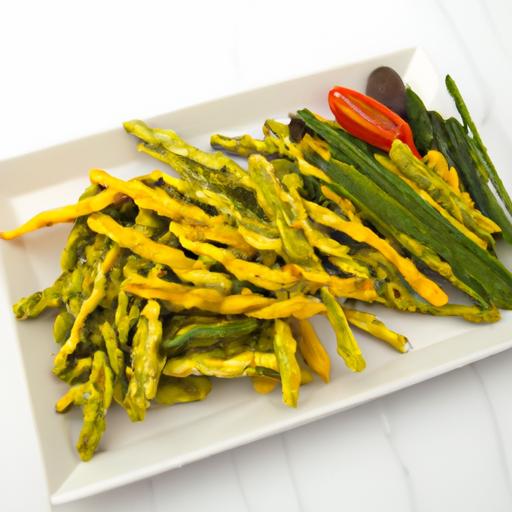

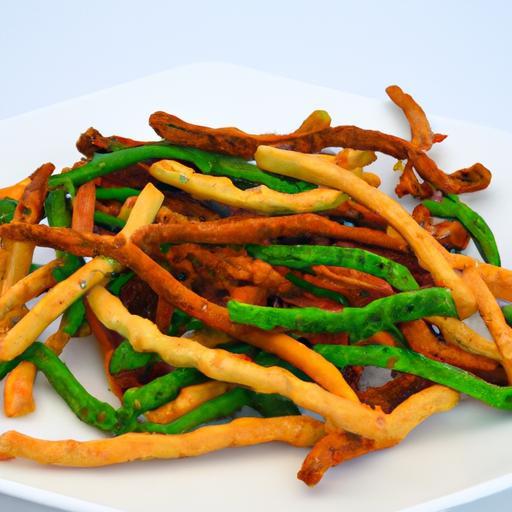
In the ever-evolving landscape of snack aisles, gluten-free veggie straws have strutted onto the stage as the seemingly wholesome choice to traditional chips and crisps. With their vibrant colors and promises of veggie-inspired goodness, these airy curls have captured the attention of health-conscious consumers seeking a guilt-free treat. But beneath their crunchy, playful exterior lies a question worth crunching on: Are gluten-free veggie straws truly a healthy snack, or just another clever disguise in the world of processed foods? Join us as we unpack the ingredients, nutrition, and claims behind this trendy snack to separate fact from fiction and help you make informed choices for your next munch.
Are gluten-free veggie straws truly a healthy snack? This question ofen arises as shoppers reach for these colorful, crunchy treats in hopes of finding a guilt-free alternative to traditional chips. Understanding their nutritional profile reveals a fascinating balance between convenience, taste, and health.Unlike whole vegetable snacks, veggie straws undergo change that affects their nutrient content and ingredient integrity. Let’s dive into what’s inside these popular snacks and how to make smart choices when selecting gluten-free options.
Prep and Cook Time
- Prep Time: 5 minutes (for homemade veggie straw alternatives)
- Cook Time: 12 minutes (if making baked vegetable crisps as a comparison)
Yield
Serves approximately 4 as a snack or appetizer.
difficulty Level
Easy – Ideal for speedy homemade veggie crisps as a wholesome alternative.
Ingredients
- 1 cup sweet potatoes, peeled and thinly sliced
- 1 cup zucchini, thinly sliced
- 1 cup kale leaves, stems removed
- 2 tablespoons olive oil
- ½ teaspoon sea salt
- ¼ teaspoon smoked paprika
- Freshly ground black pepper, to taste
Instructions
- Preheat the oven to 275°F (135°C) and line two large baking sheets with parchment paper.
- Using a mandoline or sharp knife, thinly slice sweet potatoes and zucchini to about 1/8 inch thickness.
- Place kale leaves in a large bowl and drizzle with 1 tablespoon olive oil. Massage gently to coat evenly and season lightly with salt.
- arrange all vegetables on baking sheets in a single layer, ensuring no overlap for even baking.
- Lightly brush or spray the sweet potatoes and zucchini slices with remaining olive oil; sprinkle with smoked paprika and pepper.
- Bake for 25-30 minutes,flipping halfway,until crisp but not burnt. Kale chips will crisp faster; check at around 15 minutes.
- Remove from oven and cool on wire racks to allow maximum crunch. Store in an airtight container.
Chef’s Notes
- For a more authentic veggie straw texture, try cutting vegetables into thin, uniform strips before baking.
- Experiment with seasoning blends like garlic powder or nutritional yeast for varied flavor profiles.
- To avoid soggy chips, ensure all vegetable slices are patted dry prior to oiling and baking.
- Homemade veggie crisps offer more fiber and fewer additives compared to most gluten-free veggie straws on the market.
- Make-ahead tip: These crisps stay fresh in a sealed container for up to 5 days, perfect for grab-and-go snacking.
Serving Suggestions
Serve these crisps alongside a vibrant hummus or creamy avocado dip to amplify their wholesome appeal. Garnish with fresh herbs like parsley or cilantro for an inviting burst of color. Layer these snacks into a snack board featuring nuts, olives, and fresh vegetable sticks to create a visually stunning and nutrient-rich spread.
| Snack Type | Calories | Protein | Carbs | Fat |
|---|---|---|---|---|
| Commercial Gluten-Free veggie Straws (per 28g) | 140 | 1g | 15g | 9g |
| Homemade Baked Vegetable Crisps (per 28g) | 60 | 1.5g | 12g | 2.5g |
| Whole Fresh Vegetables (per 28g) | 10-15 | 0.5g | 3g | 0g |
comparing Veggie Straws to Whole Vegetable Snacks
While gluten-free veggie straws offer a convenient alternative to traditional potato chips, their nutritional value does not equal that of whole vegetables. Processing frequently enough removes fiber and dilutes micronutrient density. Whole vegetable snacks, such as raw carrot sticks or kale chips made at home, provide the body with vital vitamins and antioxidants, unmatched by processed snacks. Having mentioned that, gluten-free veggie straws typically contain fewer allergens, which suits many restrictive diets.
Common Ingredients and What They Mean for Your Health
Most gluten-free veggie straws list ingredients like potato starch, corn starch, and vegetable powders rather than whole vegetables. Oils, such as sunflower or canola oil, are often used for frying or baking, increasing calorie density. additionally, sodium content can be significant, especially in flavored varieties. awareness of these ingredients helps decode labels and avoid unwanted additives or preservatives. Authentic, whole-food-based ingredient lists are increasingly accessible through homemade alternatives or premium brands.
Smart Snacking Tips When Choosing Gluten-Free Options
When selecting gluten-free veggie straws or any gluten-free snack, prioritize options with simple, recognizable ingredients and minimal processing.Look for snacks high in fiber and protein to keep you satiated longer. Combining gluten-free veggie straws with nutrient-dense dips or sides can balance their impact on blood sugar. remember to check portion sizes carefully; even healthy snacks can contribute excess calories if consumed mindlessly. For more guidance on wholesome snacking, see our article on Healthy Gluten-Free Snacks to Keep You Energized.
For further details on informed snack choices,consult the Healthline breakdown of veggie straws and their ingredients.

Q&A
Are Gluten-Free Veggie Straws Truly a Healthy Snack?
A Creative Q&A Exploration
Q1: What exactly are gluten-free veggie straws?
A1: Imagine a vibrant,crispy snack crafted from a blend of vegetable powders-like potatoes,spinach,and tomatoes-shaped into airy straw-like tubes. Gluten-free veggie straws are designed to offer a crunchy alternative to traditional chips, free from gluten to cater to those with sensitivities or dietary preferences.
Q2: Do veggie straws count as vegetables?
A2: While veggie straws do contain vegetable powders, they’re not the same as eating whole vegetables.The processing strips away fiber and many nutrients. So,although they carry a hint of veggie essence,they shouldn’t replace your daily servings of fresh,colorful vegetables.
Q3: Are these snacks low in calories?
A3: Veggie straws tend to be lighter in calories compared to classic potato chips-often ranging around 130-150 calories per serving. This can make them a tempting option for calorie-conscious snackers, but portion control remains key.
Q4: How about their nutritional value? Are they packed with vitamins?
A4: Despite the vegetable inspiration, gluten-free veggie straws typically have minimal amounts of vitamins or minerals. They often lack significant fiber and are usually seasoned with salt, sometimes accompanied by added oils and flavor enhancers. So, while they may offer a taste of veggies, they’re not a nutritional powerhouse.
Q5: Could veggie straws be considered a “healthy” snack?
A5: The term “healthy” is nuanced. Veggie straws can be a better choice than some fried snacks if you’re avoiding gluten or seeking something lighter.Though, they shouldn’t be classified as a health food or a substitute for actual vegetables. They’re best enjoyed as an occasional treat within a balanced diet.
Q6: Are there hidden ingredients or additives to watch out for?
A6: Yes, many gluten-free veggie straws contain added salt, oil, and sometimes artificial flavors or preservatives. Checking the ingredient list is wise-especially if you’re aiming for whole, minimally processed foods.
Q7: How can I incorporate veggie straws mindfully into my diet?
A7: Think of veggie straws as a colorful sidekick in your snacking arsenal-perfect for moments when you crave crunch but want to avoid gluten or heavier fried options. Pair them with fresh dips like hummus or guacamole to add some real nutrition and balance.
Q8: Are there better snack alternatives for those seeking health benefits?
A8: Absolutely. Raw veggies with nut butter, air-popped popcorn, roasted chickpeas, or homemade kale chips often provide more fiber, vitamins, and fewer additives. These choices can keep your snack time both tasty and nourishing.
Q9: What message should I take away about gluten-free veggie straws?
A9: They’re a fun, gluten-free crunchy snack that offers a nod to veggies but not a serving of health. enjoy them as part of a diverse, well-rounded eating style-never as a replacement for whole, nutrient-rich foods. Moderation and mindfulness are the keys to truly healthy snacking!
In Summary
In the quest for healthier snacking, gluten-free veggie straws often appear as a colorful, promising option. Yet,as we’ve uncovered,their vibrant hues and veggie-inspired name may mask a more complex nutritional story. While they can fit into a balanced diet as an occasional treat, relying on them as a go-to health food might leave you craving the wholesome benefits found in whole vegetables and minimally processed snacks. so, next time you reach for that crunchy bag, remember: true health often lies beyond the label, in the simple, natural ingredients that nourish the body and delight the palate alike.