
Ther’s something truly magical about slow-cooked lamb-the way time and tenderness weave together to create a dish that practically melts on your tongue. In the world of culinary delights, few experiences rival the rich, succulent embrace of lamb that has been nurtured by a patient, gentle heat. “Melting Moments: The art of Perfect Slow-Cooked Lamb” invites you on a delicious journey to unlock the secrets behind this timeless technique. From selecting the ideal cut to mastering the art of seasoning and timing, we’ll explore how slow cooking transforms lamb into an unforgettable masterpiece, turning every bite into a moment worth savoring.
Melting Moments start with understanding the intricate science that transforms a humble cut of lamb into a succulent masterpiece. slow cooking is not merely a technique; it is an artful journey where collagen, the connective tissue, dissolves into gelatin, creating unparalleled tenderness that melts on your tongue. This process unfolds best when time and temperature dance in harmony, coaxing each fiber to yield rich flavor and delightful texture, making every bite a celebration of patience and passion.
prep and Cook Time
- Preparation: 20 minutes
- Marinating: 4-6 hours (optional but recommended)
- Cooking: 3.5-4 hours low and slow
Yield
Serves 6 generous portions
Difficulty Level
Medium – Ideal for home cooks ready to embrace slow-cooking patience with rewarding results
Ingredients
- 3 lbs lamb shoulder, bone-in for enhanced flavor
- 4 cloves garlic, minced
- 1 large onion, thinly sliced
- 2 tbsp fresh rosemary, finely chopped
- 1 tbsp fresh thyme, stripped from stems
- 1 tsp smoked paprika
- 1 tsp ground cumin
- 1 tbsp sea salt
- 1 tsp cracked black pepper
- 2 tbsp olive oil
- 1 cup low-sodium beef broth
- Juice of 1 lemon
- 2 tbsp honey, for subtle sweetness
- Fresh mint leaves, for garnish
Mastering the Science and Selecting the right Cut
The lamb shoulder reigns supreme for slow-cooked recipes. This cut is rich in connective tissue, which breaks down beautifully over low heat, yielding a tender, juicy meal. The bone-in shoulder imparts deeper flavor due to the marrow’s natural richness. avoid lean cuts such as leg or loin for this method-they dry out quickly and miss the textural magic created by slow cooking.
Mastering Marinades and Seasonings to Elevate Your Dish
Beyond just salt and pepper,this marinade combines fresh herbs like rosemary and thyme with warm spices such as smoked paprika and cumin. These layers of aroma complement the lamb’s natural earthiness, while garlic and lemon juice introduce brightness, balancing richness. Letting the lamb absorb these flavors for 4 to 6 hours unlocks depth unfeasible to achieve with a swift seasoning.
Techniques and Temperature Tips for Consistently Perfect Results
Start by browning the lamb shoulder in olive oil to caramelize its exterior,sealing in juices and building complex flavor through the Maillard reaction. Transfer to a low-heat oven (275°F/135°C) or a slow cooker where gentle heat renders fat slowly, keeping the meat moist and succulent. Insert a meat thermometer aiming for an internal temperature around 195°F (90°C) to coax connective tissue into luscious gelatin. resist the temptation to rush; the slow simmer is essential for that “melting moments” texture.
Instructions
- prepare the marinade: In a bowl,combine garlic,rosemary,thyme,smoked paprika,cumin,lemon juice,honey,salt,and pepper; whisk in olive oil to create a cohesive paste.
- Coat the lamb: Massage the marinade generously over the lamb shoulder, ensuring even coverage. Cover and refrigerate for 4 to 6 hours, or overnight for best results.
- Sear the lamb: Heat a heavy-bottomed skillet over medium-high heat. Add olive oil, then sear the lamb shoulder for 4-5 minutes on each side until a deep golden crust forms. Remove and set aside.
- Sauté the onions: In the same skillet, add sliced onions and cook until soft and translucent, about 7 minutes, stirring often to avoid burning.
- Assemble for slow cooking: Place the seared lamb shoulder atop the onions in a slow cooker or Dutch oven. Pour beef broth around the meat-not over,to preserve the crust.
- Cook low and slow: Cover and cook on low for 3.5 to 4 hours, or until the lamb gently pulls apart with a fork.If using an oven, bake covered at 275°F (135°C).
- Rest and serve: Remove lamb, tent with foil, and let rest 15 minutes before shredding to retain full juices.
Chef’s Notes: Tips for Success
- patience pays off: Avoid rushing; slow cooking maximizes tenderness.
- alternative cuts: For a leaner option, use lamb shanks with adjusted cook time.
- Make ahead: This dish tastes even better on day two as flavors deepen-perfect for meal prep or entertaining.
- Flavor variation: Incorporate ground coriander or smoked chili flakes for an extra dimension.
- Resting time: Always rest meat before serving to lock in moisture for that luscious mouthfeel.
Serving Suggestions
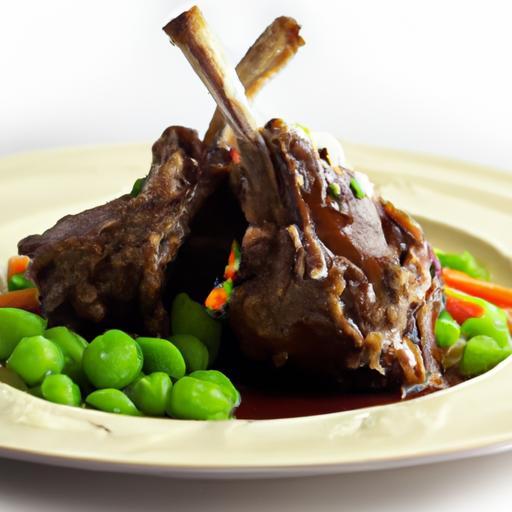
present shredded lamb atop a bed of creamy mashed potatoes or buttery polenta for an inviting rustic plate. Garnish generously with fresh mint and a drizzle of the cooking jus for a vibrant contrast. Accompany with lightly roasted seasonal vegetables such as carrots and Brussels sprouts to balance richness with freshness. For a Mediterranean flare, serve alongside shining tzatziki or a zesty lemon tahini sauce.

| Nutrient | Per Serving |
|---|---|
| Calories | 420 kcal |
| Protein | 38 g |
| Carbohydrates | 6 g |
| Fat | 26 g |
For those interested in elevating their slow-cooker repertoire, explore our Ultimate Guide to Slow Cooker Meals. Understand more about the science of meat cooking and techniques backed by culinary research at Serious Eats.
Q&A
Q&A: Melting Moments – The Art of Perfect Slow-Cooked Lamb
Q1: Why is slow-cooking lamb considered an art rather than just a cooking method?
Slow-cooking lamb is an art as it transforms a humble cut of meat into a symphony of tenderness and flavor. It requires patience, understanding of the meat’s texture, and an intuitive balance of seasoning. The long, gentle heat melts connective tissues, turning the lamb into succulent, melt-in-your-mouth perfection. Each slow-cooked lamb dish tells a story of time, technique, and culinary passion.
Q2: What cuts of lamb are best suited for slow-cooking to achieve that ‘melting moment’?
Shoulder, shank, and neck cuts are champions of slow-cooking. These tougher, more muscular sections boast rich marbling and connective tissues that, under slow heat, break down beautifully. They reward the cook’s patience with deeply flavored,fork-tender meat that falls apart with ease,creating those memorable “melting moments.”
Q3: How can seasoning elevate the slow-cooked lamb experience?
Seasoning sets the stage for an unforgettable flavor journey. Aromatics like garlic, rosemary, thyme, and bay leaves complement lamb’s natural earthiness. Salt and pepper draw out and intensify its juices. Layering flavors-through herbs, spices, and even a splash of citrus-imbues the meat with complexity that slowly infuses during the long cooking process.Q4: is there a secret to choosing the perfect cooking liquid for slow-cooked lamb?
The ideal cooking liquid should cradle the lamb gently,enriching it without overwhelming. Classic choices include vegetable stock, fragrant broths, or even a well-seasoned tomato base. The liquid acts like a flavor canvas, soaking into the meat while keeping it moist and tender. Adding a touch of acidity, like lemon juice or balsamic vinegar, can brighten the richness and balance the dish.Q5: how long should lamb be slow-cooked to reach the sought-after tenderness?
Time is the quiet hero in slow-cooked lamb. Depending on the cut and cooking temperature, expect anywhere from 3 to 6 hours. cooking low and slow-think 275°F to 300°F (135°C to 150°C)-allows collagen to convert to gelatin without drying the meat, producing that legendary fork-tender texture. Patience here is rewarded with sublime softness and flavor depth.
Q6: can slow-cooking lamb be done on the stovetop, or is an oven necessary?
Both stove and oven can work their magic. The stovetop method, using a heavy pot or Dutch oven over low heat, offers precise control and can deepen flavors through gentle simmering. Meanwhile, the oven’s consistent heat provides an even cooking environment, perfect for longer smokes and roasts. Either way,slow heat and moisture are the cornerstones of success.
Q7: What sides best complement the richness of slow-cooked lamb?
Slow-cooked lamb pairs beautifully with earthy, hearty sides that echo its rustic charm. Creamy mashed potatoes, roasted root vegetables, or buttery polenta create comforting balance.Fresh, crisp greens or herb salads add a refreshing contrast to the meat’s velvety richness, inviting a perfect interplay of textures and flavors on the plate.
Q8: How dose resting slow-cooked lamb enhance its final texture and flavor?
Resting is the final brushstroke in this culinary masterpiece. Allowing the lamb to rest post-cooking lets juices redistribute evenly, preventing them from escaping upon slicing. This leads to moist, tender bites with a harmonious flavor profile-a subtle but crucial step that seals the “melting moment” experience.
Q9: Can slow-cooked lamb be reheated without losing its delicate texture?
Yes! Gentle reheating is the key to preserving its softness. Use low heat in a covered dish with a splash of cooking liquid to keep the lamb moist. Avoid rapid or high-temperature reheating that can dry out the meat, because slow-cooked lamb deserves to be savored as tenderly the second time around.
Q10: Why is slow-cooked lamb worth the effort in today’s fast-paced kitchen?
In a world of instant meals, slow-cooked lamb stands as a tribute to thoughtful, unhurried cooking. Its fragrant aroma fills the home, inviting moments of anticipation and comfort. This deliberate process rewards patience with remarkable depth of flavor and texture-a timeless pleasure that transforms a meal into a heartfelt experience.
Closing Remarks
As the tender lamb finally yields to your fork,melting effortlessly with each bite,you realize that slow cooking is more than a method-it’s an art. It’s a patient dance of time and temperature, coaxing deep flavors and sublime textures from humble beginnings. Whether you’re a seasoned chef or a curious home cook, mastering the slow-cooked lamb opens a gateway to meals that are as rich in tradition as they are in taste. so next time you crave a dish that’s comfort wrapped in elegance, remember: perfection is a slow journey, and the rewards are truly unforgettable.