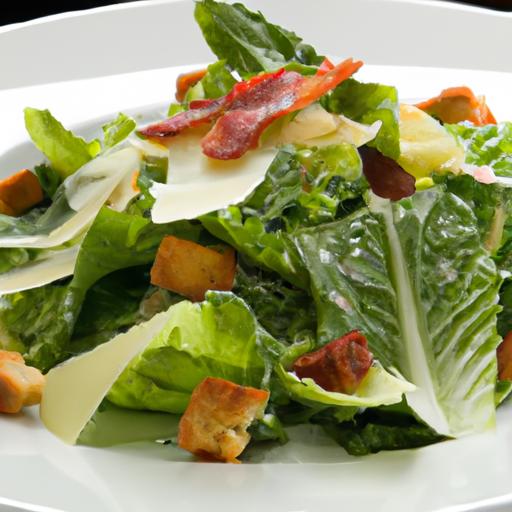

Few dishes have woven themselves so seamlessly into the fabric of global cuisine as the Caesar salad. At first glance, it may seem like a simple medley of crisp romaine lettuce, crunchy croutons, and a creamy dressing, but beneath its unassuming exterior lies a story rich with intrigue, innovation, and culinary passion. In this article, we peel back the layers of the Caesar salad to uncover its fascinating history, explore the secret ingredients that give it its irresistible allure, and share time-tested recipes that bring the classic flavors to your table.Whether you’re a devoted fan or a curious newcomer, prepare to embark on a flavorful journey where every bite tells a story.
Caesar Salad Secrets bring to life a timeless dish steeped in history and sparkling with fresh,vibrant flavors. Originating from Tijuana, mexico in the 1920s, the Caesar salad was crafted by restaurateur Caesar Cardini as an inventive and satisfying meal for his patrons. Its blend of crunchy romaine, perfectly toasted croutons, and a tangy, creamy dressing quickly captured palates worldwide, turning this simple salad into a culinary legend.
Prep and Cook Time
- Planning: 15 minutes
- Cooking: 10 minutes (for croutons)
- Total Time: 25 minutes
Yield
Serves 4 as a side or 2 as a light entrée
Difficulty Level
Easy to Medium – perfect for seasoned cooks and curious beginners alike
Ingredients
- For the Salad:
- 1 large head of fresh romaine lettuce, washed and torn into bite-sized pieces
- 1 cup homemade croutons (recipe below)
- ¼ cup finely grated Parmesan cheese
- For the Croutons:
- 3 cups day-old artisan bread, cut into cubes
- 3 tbsp extra virgin olive oil
- 1 tsp garlic powder or 2 minced garlic cloves
- Salt and freshly ground black pepper, to taste
- For the Signature Dressing:
- 2 large egg yolks (or 3 tbsp high-quality mayonnaise as an alternative)
- 2 tbsp fresh lemon juice
- 2 tsp Dijon mustard
- 2 small anchovy fillets, finely minced (optional but authentic)
- 1 garlic clove, finely grated
- ¾ cup extra virgin olive oil
- ¼ cup freshly grated Parmesan cheese
- Freshly ground black pepper, to taste
Instructions
- Make the Croutons: Preheat your oven to 375°F (190°C). Toss bread cubes with olive oil,garlic,salt,and pepper on a baking sheet. Spread evenly and bake for 8-10 minutes until golden and crisp-turn halfway through for even browning.
- Prepare the Dressing: In a medium bowl, whisk together egg yolks, lemon juice, Dijon mustard, garlic, and minced anchovies until smooth. Slowly drizzle in olive oil in a thin stream while whisking vigorously to create a creamy emulsion.
- Add Cheese & Season: Stir in grated Parmesan and season generously with black pepper. Taste and adjust acidity or salt if needed. For a thinner dressing, add a splash of water.
- Assemble the Salad: In a large salad bowl, gently toss the romaine with enough dressing to coat the leaves luxuriously but lightly.
- Finish: Sprinkle with freshly baked croutons and an additional dusting of Parmesan before serving.
tips for Selecting Fresh Components and Preparing the Signature Dressing
The foundation of an unforgettable Caesar salad lies in ingredient quality. Choose romaine lettuce with crisp,vibrant green leaves and avoid any browning or wilting. For the dressing, use fresh garlic and raw lemon juice – thes bright elements balance the rich anchovies and cheese.When emulsifying, adding the olive oil gradually is key to a thick, creamy dressing that clings beautifully to every leaf.
Creative Variations to Elevate Your Caesar Salad Experience
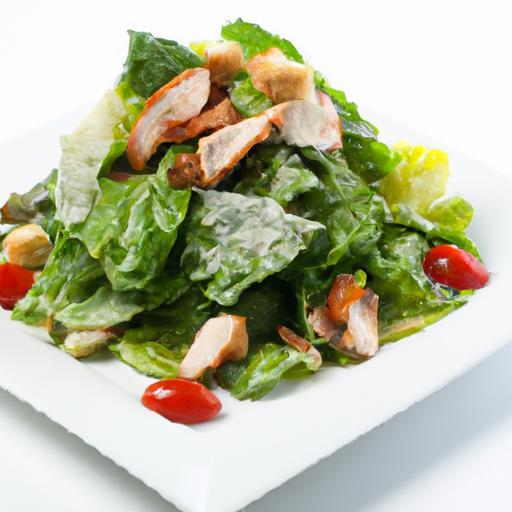
While customary Caesar Salad Secrets honor classic flavors, bringing your own twist can elevate the dish. Try grilled chicken breast or succulent jumbo shrimp for protein without overpowering the dressing’s nuance. For vegan adaptations, replace egg yolks with aquafaba and use nutritional yeast in place of Parmesan. Incorporate crunchy toasted pepitas for a nutty crunch, or swap croutons for crispy roasted chickpeas for added texture and nutrition.
Chef’s Notes and Tips for success
- Egg Safety: If concerned about consuming raw egg yolks, use high-quality pasteurized eggs or opt for mayonnaise in the dressing base.
- Anchovy Alternatives: For a milder umami hit, try adding a teaspoon of capers or soy sauce instead.
- Make-Ahead: Prepare croutons and dressing up to 2 days early; store separately in airtight containers.
- Balance Flavors: If the dressing tastes too sharp, whisk in a little more olive oil or a pinch of honey for subtle sweetness.
- Texture Tip: Always toss just before serving to keep the romaine crisp and prevent wilting.
Serving Suggestions
Present your Caesar salad on chilled plates with a generous sprinkle of shaved parmesan curls and freshly cracked black pepper. Garnish with lemon wedges and a drizzle of extra virgin olive oil to enhance aroma. Pair alongside grilled seafood or a light roasted vegetable medley for a harmonious meal. For a vibrant contrast, scatter thinly sliced radishes or cherry tomatoes on top-adding not only color but also a fresh burst of flavor.

| Nutrition (per serving) | Calories | Protein | Carbs | Fat |
|---|---|---|---|---|
| Caesar Salad | 320 kcal | 10 g | 15 g | 24 g |
For further refinement of your salad repertoire, explore our Ultimate Salad Dressings Guide. You can also reference the detailed history of this iconic dish at History.com to deepen your thankfulness of its roots.
Q&A
Q&A: Caesar Salad Secrets – History, Ingredients, and Recipes Unveiled
Q1: Where did the Caesar salad originate, and who invented it?
A1: The Caesar salad was born in the 1920s in Tijuana, Mexico, crafted by Italian-American restaurateur Caesar Cardini. Legend has it that during a busy Fourth of July weekend, Cardini improvised the salad from fresh ingredients he had on hand, creating a dish that quickly captivated diners with its bold flavor and simple elegance.
Q2: What makes a classic Caesar salad truly authentic?
A2: Authenticity shines through in the balance of crisp romaine lettuce, crunchy toasted croutons, freshly grated Parmesan cheese, and a creamy, tangy dressing made from raw egg yolks, garlic, anchovies, lemon juice, dijon mustard, and olive oil. Every component plays a crucial role in delivering that unmistakable Caesar experience.
Q3: Are anchovies essential to the Caesar dressing?
A3: While anchovies are integral to the traditional Caesar’s umami punch,some modern variations omit them or use anchovy paste for convenience. Their salty, savory depth enhances the dressing, but creative chefs sometimes explore alternatives like capers or miso to mimic that rich complexity without anchovies.
Q4: What’s the secret to perfectly crispy croutons?
A4: The secret lies in starting with good-quality day-old bread, cutting it into uniform cubes, and toasting them in olive oil infused with garlic and herbs until golden and crunchy. This adds a delightful textural contrast that elevates the salad from simple to sensational.
Q5: Can the dressing be made without raw egg yolks for safety concerns?
A5: Absolutely! Many dressings can be whipped up safely using mayonnaise or pasteurized egg products, retaining the creamy texture. However, the classic Caesar’s silky richness is often attributed to the fresh yolk’s emulsifying magic.
Q6: What creative twists can be added to the traditional Caesar salad?
A6: The Caesar canvas invites creativity: try adding grilled chicken or shrimp for protein, roasted vegetables for earthiness, or even kale instead of romaine for a heartier bite. Some chefs experiment with smoked cheeses or a pinch of smoked paprika in the dressing to introduce smoky undertones.
Q7: How can the Caesar salad be transformed into a main course?
A7: By layering on grilled or roasted proteins like chicken breast, tender seafood, or hearty legumes, the salad blossoms into a fulfilling meal. Pair it with crusty artisan bread, and suddenly you have a balanced, vibrant plate perfect for lunch or dinner.
Q8: What are common mistakes to avoid when making a Caesar salad?
A8: Overdressing is a common pitfall; the salad should be lightly coated to allow each ingredient’s flavor to shine. Also, soggy lettuce results from early dressing; it’s best to toss just before serving. Lastly, skipping fresh lemon juice or Parmesan can leave the salad tasting flat.
Q9: How has the Caesar salad evolved over time?
A9: From its humble Tijuana origins, the Caesar salad has embraced countless interpretations, reflecting local tastes and dietary preferences across the globe. Today, it’s found in both upscale bistros and fast-casual eateries-each version honoring the essence of Cardini’s creation while adding unique local flair.
Q10: Why does the Caesar salad remain a timeless favourite?
A10: Its irresistible combination of simple, fresh ingredients and bold flavors ensures the Caesar salad endures.The balance of crisp textures, creamy dressing, and savory cheese creates a harmony that appeals universally-making every forkful a little celebration of flavor and history.
To Conclude
As the crisp leaves of the Caesar salad have been carefully tossed through history, we uncover more than just a simple dish – we reveal a culinary legend shaped by innovation, passion, and a touch of intrigue. From its humble origins in a Mexico City restaurant to the vibrant variations gracing tables worldwide,the Caesar salad continues to embody a perfect balance of flavors and textures. Whether you’re a seasoned chef or a curious foodie, understanding the secrets behind its ingredients and recipes invites you to savor each bite with newfound appreciation. So next time you lift a fork to that garlicky, tangy masterpiece, remember: you’re not just enjoying a salad-you’re tasting a storied tradition, lovingly crafted and endlessly celebrated.