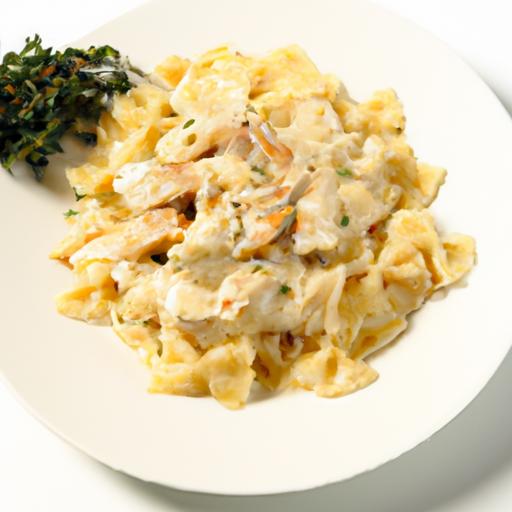

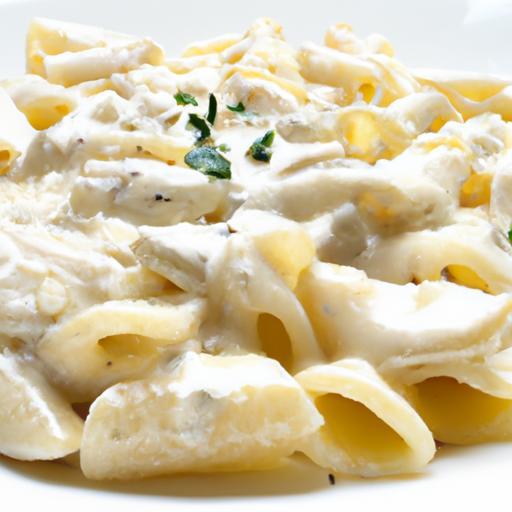
There’s a certain magic in the silky swirl of Alfredo sauce that transforms simple pasta into a luxurious comfort dish savored around the world. But behind every creamy, buttery spoonful lies a rich story woven with tradition, innovation, and a dash of culinary romance. In “Alfredo Unveiled: The Story Behind the Creamy Classic Sauce,” we peel back the layers of history to reveal how this iconic Italian-American favorite came to captivate taste buds and inspire countless variations. Join us as we explore the origins, evolution, and enduring allure of Alfredo sauce-more than just a topping, it’s a tasty journey through culture and flavor.
Alfredo sauce is a timeless symbol of creamy indulgence and simple elegance in Italian-american cuisine. Rooted in the bustling kitchens of early 20th-century Rome, this luscious sauce captured hearts worldwide for its velvety texture and rich flavor. Its journey from a modest Roman trattoria-a creation by alfredo di Lelio-to becoming a staple on dinner tables across the globe is nothing short of culinary magic. The perfect Alfredo sauce is an alchemy of silky butter, fresh cream, and sharp Parmesan, masterfully balanced to create creamy perfection every time.
Prep and Cook Time
- Prep Time: 5 minutes
- Cook Time: 10 minutes
- Total Time: 15 minutes
Yield
- Servings: 4 generous portions
Difficulty Level
- Easy – Ideal for home cooks craving quick yet sophisticated results
Ingredients
- 1/2 cup (1 stick) unsalted butter, cubed and chilled
- 1 cup heavy cream, preferably fresh and cold
- 1 1/2 cups freshly grated Parmesan cheese (Parmigiano-Reggiano recommended)
- 2 cloves garlic, minced finely
- Salt, to taste (start conservatively)
- freshly ground black pepper, to taste
- A pinch of freshly grated nutmeg (optional, but highly recommended)
- Fresh parsley, finely chopped for garnish
- 1 lb fettuccine pasta, cooked al dente (for serving)
Instructions
- prepare the pasta: cook the fettuccine in a large pot of salted boiling water until al dente. Reserve 1/2 cup of pasta water before draining.
- Warm the butter and garlic: In a large skillet over medium-low heat, melt the chilled butter gently. Add minced garlic and sauté until fragrant and just turning golden, about 1-2 minutes. Be careful not to brown the garlic.
- Add the cream: Pour in the cold heavy cream and stir consistently to create a smooth base. Simmer gently for 3-4 minutes, allowing the cream to reduce and thicken slightly.
- Incorporate Parmesan cheese: Slowly add the grated Parmesan by the handful, stirring constantly off the heat to prevent the cheese from clumping or separating. The sauce should thicken and become silky.
- Season perfectly: Add salt, pepper, and a pinch of nutmeg if using. Stir and adjust seasoning to taste. If the sauce feels too thick, gently whisk in reserved pasta water, a tablespoon at a time, until creamy and well-coated.
- Combine with pasta: Add the drained fettuccine to the sauce and toss thoroughly, ensuring each strand is luxuriously coated with the Alfredo sauce.
- Garnish and serve: Plate promptly, topping with extra Parmesan and freshly chopped parsley for a burst of color and freshness.
Tips for Success
- Use quality Parmesan: Freshly grated Parmesan melts smoothly and adds authentic flavor – pre-grated powders won’t give the same silky texture.
- Control your heat: Keep the temperature on low-medium to prevent the cream from scorching and the cheese from clumping.
- Butter temperature matters: Start with cold cubed butter; it disperses more evenly as it melts slowly for a luscious mouthfeel.
- Garlic nuance: Sauté gently for fragrance without bitterness-avoid letting it turn dark brown.
- Make it ahead: Alfredo sauce is best enjoyed freshly made, but you can prepare the sauce in advance and gently rewarm with a splash of cream.
- For dairy-free or lighter twists: Try substituting heavy cream with a mixture of milk and crème fraîche, and olive oil can replace butter, though this alters the classic creaminess.
Serving Suggestions
Elevate your Alfredo pasta by pairing it with vibrant sides and complementary flavors. Serve alongside roasted garlic asparagus for a crisp, green contrast, or enjoy with a light arugula salad freshly dressed in lemon vinaigrette for a radiant counterpoint. For proteins,grilled chicken breast or seared shrimp wonderfully soak up the sauce without overpowering its delicate creaminess. Garnish with cracked black pepper, extra Parmesan flakes, and finely minced parsley or chives to add freshness and visual appeal. A sprinkle of toasted pine nuts can also add unexpected texture and a nutty aroma.

| nutrient | Per Serving |
|---|---|
| Calories | 480 kcal |
| Protein | 20 g |
| carbohydrates | 45 g |
| Fat | 25 g |
For those eager to explore more creamy Italian-inspired sauces,check out our extensive Creamy italian Sauces Guide filled with recipes and tips. To dive deeper into Alfredo sauce’s cultural roots, visit Britannica’s Alfredo sauce entry for an authoritative insight.
Q&A
Q&A: Alfredo Unveiled: The Story Behind the Creamy Classic Sauce
Q1: What is Alfredo sauce, and were did it originate?
Alfredo sauce is a rich, creamy pasta sauce made primarily from butter, heavy cream, and Parmesan cheese. It originated in Rome, Italy, in the early 20th century. The sauce gained fame thanks to Alfredo di Lelio, who created it as a comforting dish for his wife, combining simple ingredients into a luxurious culinary experience.
Q2: Who was Alfredo di Lelio, and how did he contribute to the sauce’s popularity?
Alfredo di Lelio was an Italian restaurateur who invented the now-iconic sauce in 1914. He wanted to prepare a dish that was gentle on his wife’s stomach following childbirth, using fresh butter, Parmesan, and pasta. His restaurant in Rome quickly became famous as locals and visitors alike fell in love with the creamy, indulgent flavor, spreading the sauce’s reputation worldwide.
Q3: What distinguishes Alfredo sauce from othre creamy pasta sauces?
Unlike many cream-based sauces that rely heavily on garlic, herbs, or tomato elements, Alfredo sauce centers on the delicate balance of butter, cream, and Parmesan cheese-no additional seasoning is needed. The key is in the technique: gently melting the butter and cream before whisking in freshly grated Parmesan creates a luscious, velvety texture that clings exquisitely to pasta.
Q4: How is traditional Alfredo sauce prepared?
traditional Alfredo sauce starts by gently warming butter and heavy cream together. Once melted and combined, freshly grated Parmesan cheese is whisked in off the heat to ensure it melts smoothly without clumping. The sauce is then tossed with freshly cooked pasta-typically fettuccine-allowing the creamy sauce to coat each strand perfectly.
Q5: Can Alfredo sauce be made without heavy cream?
while heavy cream is key to the classic alfredo’s silky texture, some variations use whole milk or a combination of milk and cream cheese to lighten the sauce. However, these alterations may result in a thinner, less rich sauce, so traditionalists often stick with heavy cream for the authentic mouthfeel and taste.
Q6: What kind of pasta pairs best with Alfredo sauce?
Fettuccine is the quintessential pasta choice for Alfredo. Its broad, flat ribbons provide the ideal surface area to hold the creamy sauce, allowing every bite to be richly flavored. However, other pasta shapes like tagliatelle or pappardelle can also work beautifully, embracing the sauce with their gentle curves.
Q7: How has Alfredo sauce evolved over time?
from its humble origins in Rome,Alfredo sauce has inspired countless adaptations around the globe. While the purest form remains simple and creamy, contemporary versions often incorporate vegetables, chicken, or seafood to add new dimensions. Still,the heart of Alfredo is its luxurious creaminess-a timeless reminder of italian culinary elegance.
Q8: Are there tips for making the perfect Alfredo sauce at home?
Absolutely! Use the freshest Parmesan you can find-pre-grated cheese often contains additives that prevent smooth melting. Whisk the cheese in slowly off the heat to avoid clumping or graininess. Also, serve the sauce immediately after mixing with pasta to enjoy its velvety texture at its peak.
Q9: Why does Alfredo sauce sometimes curdle, and how can that be prevented?
Curdling occurs when the sauce is overheated or the cheese is added while the mixture is too hot, causing the proteins to separate. To prevent this, keep the sauce at low heat during preparation, add cheese gradually, and remove the pan from direct heat before incorporating the cheese for a smooth, creamy finish.
Q10: What makes Alfredo sauce a classic favorite around the world?
Its simplicity and indulgence make alfredo sauce universally appealing. Combining just a few high-quality ingredients results in a luxuriously rich sauce that feels both comforting and elegant. This perfect balance of taste and texture has cemented Alfredo’s place as a beloved culinary classic in kitchens everywhere.
Insights and Conclusions
As we wrap up our journey through the rich history and indulgent flavors of Alfredo sauce, one thing becomes clear: this creamy classic is much more than just a pasta topping. From its humble Italian beginnings to its beloved status on tables worldwide, Alfredo sauce embodies a timeless blend of simplicity and decadence. Whether draped over fettuccine or reinvented in modern culinary creations, its story reminds us that sometimes, the most unforgettable flavors come from the most straightforward ingredients – united by passion and tradition.So next time you twirl that luscious, velvety sauce around your fork, savor not just the taste but the interesting tale behind every creamy, dreamy bite.