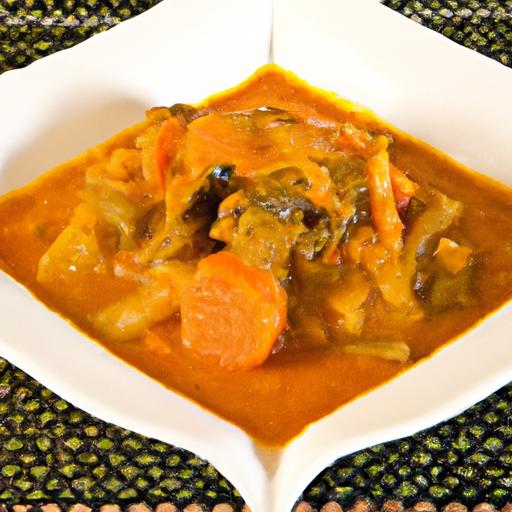

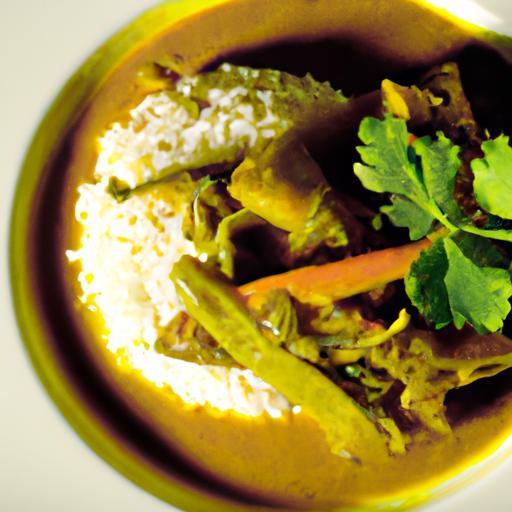
From the bustling spice markets of Mumbai to the serene kitchens of southern Thailand, curry has long been more then just a meal-it’s a vibrant tapestry woven from centuries of culture, trade, and tradition. “Curry chronicles: A Flavorful Journey Through Spices and History” invites you to embark on an aromatic expedition that unravels the secrets behind the world’s most beloved dish. Journey beyond the simmering pots and fragrant blends to discover the origins of curry’s key spices, the historical crossroads that shaped its evolution, and the diverse culinary customs that continue to celebrate its rich heritage. Whether you’re a curious foodie, a history enthusiast, or simply someone who adores bold flavors, this exploration promises to spice up your understanding of curry-and perhaps inspire your next unforgettable meal.
Curry Chronicles: A Flavorful Journey Through Spices and History invites you into a vibrant world where rich aromas and bold flavors narrate centuries of culinary tradition. From bustling spice bazaars to home kitchens steeped in heritage, exploring the cultural roots of curry spices enriches both the palate and the soul. These fragrant blends are more than ingredients-they’re storytellers, connecting us to diverse cultures and timeless cooking techniques.
Prep and Cook Time
Planning: 20 minutes
cooking: 40 minutes
Total: 1 hour
Yield
Serves 4 people generously.
Difficulty Level
Medium – perfect for home cooks ready to deepen their spice mastery.
Ingredients
- 2 tbsp vegetable oil (or mustard oil for authentic pungency)
- 1 large onion,finely sliced
- 4 garlic cloves,minced
- 1-inch fresh ginger,grated
- 2 tsp cumin seeds
- 1 tbsp coriander seeds,crushed fresh
- 1 tsp turmeric powder
- 1 tbsp garam masala (homemade or store-bought)
- 1 tsp red chili powder (adjust to heat preference)
- 2 medium tomatoes,pureed
- 400g canned chickpeas,drained and rinsed
- 1 cup coconut milk
- Salt,to taste
- Fresh cilantro,chopped,for garnish
- 1 tbsp lemon juice
Instructions
- Heat the oil in a heavy-bottomed pan over medium heat. Once shimmering, add cumin seeds and toast for 30 seconds until aromatic but not burnt.
- Add the sliced onions and sauté until golden brown, about 8-10 minutes, stirring frequently. Patience here is key to developing depth in flavor.
- Incorporate garlic and ginger,stirring for 1-2 minutes until fragrant but not browned.
- Add crushed coriander seeds, turmeric, chili powder, and garam masala. Sauté the spice mix for 2 minutes, letting the powders bloom in the oil for maximum aroma.
- Blend in the pureed tomatoes, cooking for about 8 minutes, stirring occasionally, until the oil begins to separate and the sauce thickens.
- Stir in chickpeas, coating them evenly with the spice-tomato base. Cook for 5 minutes to absorb flavors.
- Pour in coconut milk,stirring gently to combine. Simmer on low heat for 10-15 minutes, allowing the curry to thicken slightly and the flavors to meld beautifully.
- Season with salt and add lemon juice to brighten the dish.Taste and adjust seasoning as needed.
- Garnish with fresh cilantro just before serving for a burst of freshness and color.
Tips for Success
- Spice roasting: Toast whole spices like cumin and coriander separately before grinding to awaken their essential oils and intensify the flavor profile.
- Tomato texture: For a silkier curry, consider straining the tomato puree before adding it to the pan.
- Make-ahead: This curry tastes even better the next day. Store in an airtight container and gently reheat with a splash of water or coconut milk to loosen.
- Adjust heat: For a milder dish, reduce chili powder and balance with a little extra coconut milk or yogurt (dairy-free if preferred).
- Protein variations: Swap chickpeas for lentils or tender vegetables like cauliflower and potatoes for a hearty vegetarian alternative.
Serving Suggestions
This versatile curry pairs wonderfully with steamed basmati rice or warm whole wheat chapatis, which soak up every drop of its creamy sauce. For added texture and color, serve it alongside a fresh cucumber raita or mango chutney. Garnishing with crunchy toasted cashews or a handful of pomegranate seeds can elevate presentation and taste,perfect for entertaining guests or a comforting weeknight meal.
| Nutrient | Per Serving |
|---|---|
| Calories | 320 kcal |
| Protein | 12g |
| Carbohydrates | 38g |
| Fat | 10g |

For those eager to deepen their understanding of spice blends, check out our thorough guide to spice blends. To explore historical spice trade routes influencing curry, visit Britannica’s overview on the spice trade.
Q&A
Q&A: Curry Chronicles: A Flavorful Journey Through Spices and History
Q1: What inspired the creation of “Curry Chronicles”?
A1: “Curry Chronicles” was born from a captivation with the complex tapestry of spices that have journeyed across continents, shaping cultures and kitchens. it’s a tribute to the humble yet mighty curry-a dish that tells stories of trade routes, colonization, migration, and innovation through its vibrant flavors.
Q2: How does curry differ across regions?
A2: Curry is a kaleidoscope of regional personalities. In India, it ranges from creamy coconut-infused stews in the south to fiery garam masala blends in the north. Southeast Asian curries frequently enough emphasize fresh herbs like lemongrass and kaffir lime, while the Caribbean introduces bold, smoky notes thanks to native spices.Each region’s curry reflects its unique environment, history, and palate.
Q3: Which spices are considered the backbone of curry?
A3: At the heart of every curry lies a symphony of spices. Turmeric lends a warm, golden hue and subtle earthiness. Cumin offers a nutty, smoky undertone. Coriander seeds add a citrusy brightness, while cardamom introduces fragrant sweetness. The fiery kick often comes from dried chilies or black pepper. These elements combine to create curry’s signature complexity.
Q4: How did curry evolve historically?
A4: The journey of curry is as rich as its flavors. Originating thousands of years ago in the Indian subcontinent, the concept of spiced stews traveled via ancient trade routes to Southeast Asia, the Middle East, and beyond. Colonial encounters transformed curry once more, introducing new ingredients and hybrid recipes.it’s a culinary dialog between time and culture.
Q5: Can curry be adapted for various dietary preferences?
A5: absolutely! Curry is a canvas that welcomes diverse dietary choices. Whether featuring vibrant vegetables, fragrant legumes, or hearty meats like chicken, lamb, or seafood, curry can be tailored to suit vegetarian, vegan, gluten-free, or paleo diets. Its layers of spice ensure flavor depth regardless of the base.
Q6: What role do cooking techniques play in developing curry’s flavor?
A6: Technique is as vital as ingredients. Toasting whole spices releases essential oils that awaken their aroma. Slow simmering melds flavors into a harmonious blend,allowing the curry to deepen and thicken. Tempering spices in hot oil, known as “tadka,” adds bursts of flavor that elevate the dish. These methods transform simple components into a sensory masterpiece.Q7: How has globalization influenced curry recipes today?
A7: Globalization has turned curry into a worldwide phenomenon, inspiring endless adaptations. fusion cuisines might add unexpected ingredients like coconut cream or exotic vegetables,while cooks experiment with new spice combinations. At the same time, traditional recipes endure, preserving the heritage and regional identity of this beloved dish.
Q8: What’s a simple tip for newcomers wanting to explore curry cooking?
A8: Start with balance! Use fresh spices and build layers gradually-toast, grind, and sauté before adding liquids. Be patient with simmering to unlock depth. Don’t shy away from tasting along the way. And most importantly, embrace creativity; curry is as much an art as it is indeed a tradition.
This Q&A invites readers to savor the rich history and vibrant flavors embedded in curry, encouraging both appreciation and culinary adventure.
The way forward
As our flavorful journey through the rich tapestry of curry comes to a close, we are reminded that this beloved dish is far more than a mere blend of spices-it is indeed a living story steeped in history, culture, and tradition. From the ancient spice routes to the bustling street markets of today, curry continues to evolve, inviting each of us to savor its diverse aromas and tastes. Whether mild or fiery,simple or complex,every curry carries with it a legacy of human creativity and connection,a testament to how food can transcend time and geography. So the next time you stir a pot or savor a spoonful, remember: you are partaking in a centuries-old chronicle that celebrates both the art of flavor and the shared heritage of civilizations.